
History
The history of West Oaks Mall begins with Foley’s. Wishing to expand their department stores, Federated (owner of Foley’s at the time) commissioned a search for a new location. The search would lead Foley’s to the west side of town, where a spot for the latest store was found at the intersection of Highway 6 and F.M. 1093. At the time, the area was not much more than fields, farmhouses, and the looming Barker Dam. However, real estate development was occurring on a large scale in the area, both in the North and in the South, along Highway 6. Most of the new homes in the area were for employees of the Shell Westwood Development Campus, which had recently opened just across the Highway from the planned mall. The area was poised to become the next major “yuppie community,” and development was occurring at a rapid pace. Most residents of the area were upper-middle class, bringing with them their demand for high-class shopping. As such, the new Foley’s was to be very ornate and chic, unlike the majority of their original Houston stores, which had become dated as the company focused on expanding elsewhere. The idea was that Foley’s would build a high-end store, and, with other upscale anchors, this would attract a high-end mix to the proposed mall. On July 20th, 1982, the Alabama-Coushatta Medicine Men helped Foley’s open their tenth store in the Houston area.
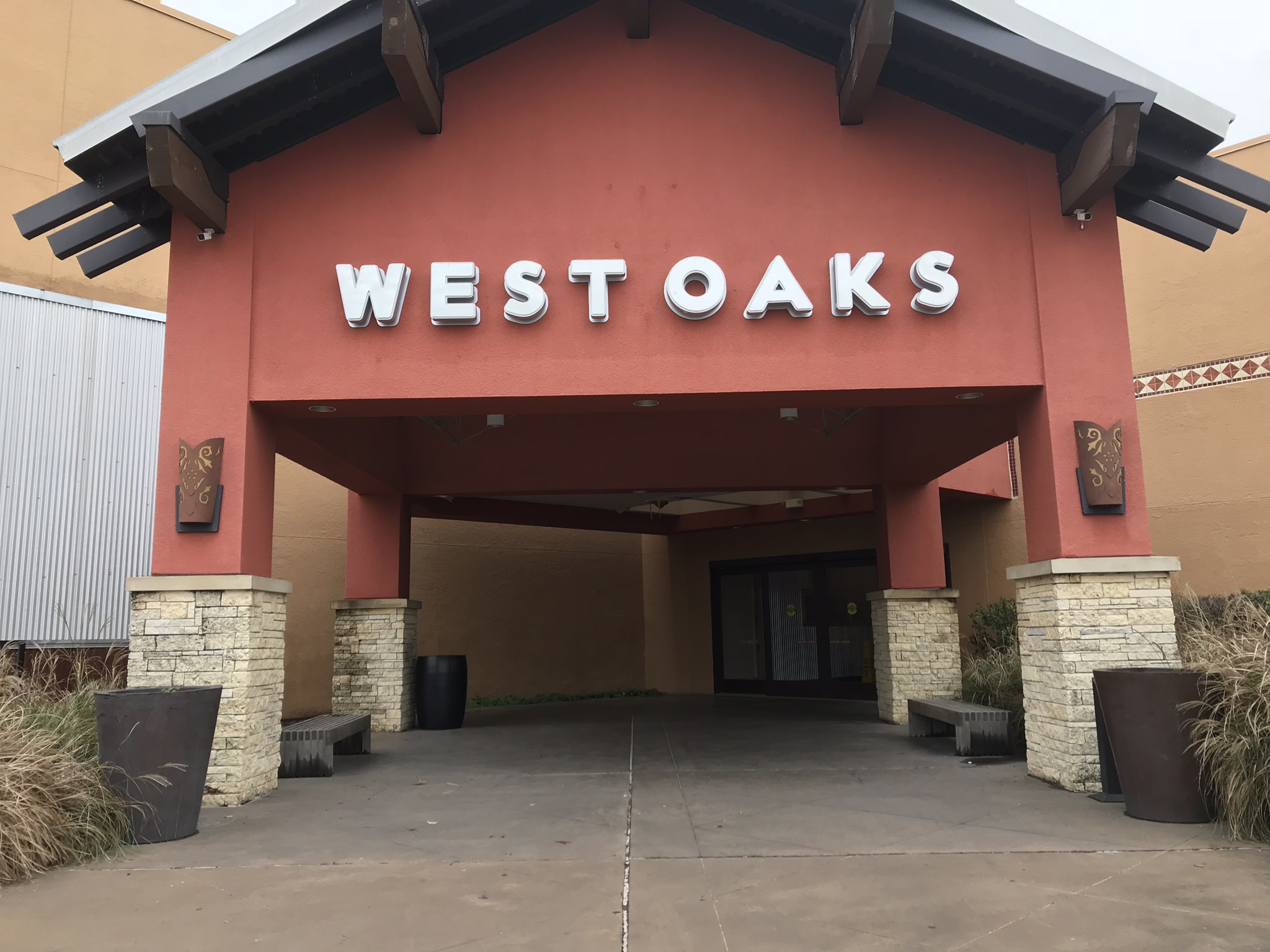
Construction on the mall would start just as Foley’s held its grand opening. The tenant mix that formed was quite impressive, with Mervyn’s, Lord & Taylor, and Saks Fifth Avenue comprising the remainder. Mervyn’s stands out as their first Houston location and the second for Sak’s. Lord & Taylor, on the other hand, had already opened a few places in town, including the similar Greenspoint location. For most Houstonians, the new shopping destination was a notable attraction; the mall stood out with no substantial competition in the area, and it was the immediate shopping destination for most people in West Houston. Foley’s had already had success with the similarly developing Willowbrook Mall. The mall was also planned to include a Plitt Theaters 6-screen cinema.
Approximately two years after Foley’s opened its West Oaks location, the rest of the mall held a grand opening celebration. The mall was built in three wings. One led from Mervyn’s (the West anchor) to the Fiesta Court, a two-story food court. The second wing led from Foley’s (the East anchor) to the Park Court, which served as a smaller secondary food court. The third wing, dubbed “The Arcade,” ran North to South between Lord and Taylor (the Northern anchor) and an empty anchor pad, which was being used as parking and an entrance. The Arcade also connected the Fiesta Court and Park Courts via two short hallways. The mall’s design was decidedly Spanish. With Terracotta tiles used for flooring, darker Earth tones used for paint, and extensive accent wood, all contrasted by bright white stucco. The mall also featured plaza-style fountains imported from Mexico. The food court even contained a “second story” which functioned as a raised plaza for smokers. (Most reports have stated this was more like a suspended platform, which was hung from the roof, rather than an actual second story.) The Movie Theater was located in a hallway adjacent to the food court entry.

By the mid-1980s, the west side of Houston was the place to be, with what had been farmland only a few years earlier becoming the hottest areas of the city. The housing developments around the West Oaks area were built to be quite high-class. Initially, it fulfilled this, with many lots sold to employees of nearby petrochemical companies. This demand for modern, high-end neighborhoods was reflected in amenities such as community tennis courts, pools, and parks. By the mid-80s, Macy’s was considered as a possible fifth anchor; however, these plans never came to fruition. By the late 1980s, Houston’s oil-based economy began to decline, resulting in homeowners defaulting on their mortgages. There was also an excess of built but unsold dwellings, leading to a rapid decline in the price point. As property values declined, so did the average person’s income around West Oaks Mall. While the mall was still bringing in some upper-crust shoppers by the end of the 80s, it wasn’t enough.
By the early 90s, traffic bound for the mall was primarily from areas immediately surrounding West Oaks. While some shoppers would still make the trek from distant suburbs in the Richmond and Katy areas for stores like Foley’s, those who intended to go to luxury stores usually wound up at The Galleria instead. This demographic shift led to the closure of both Lord & Taylor and Saks Fifth Avenue in 1990. Although the demographics of West Oak’s traffic had changed, the flow remained steady. Both stores were quickly replaced. With Sears taking the Saks spot and JC Penney moving into the Lord & Taylor. Mervyn’s, at the time, was already undertaking their “Mervyn’s California” campaign to rebrand the company as more consumer-friendly. The empty anchor pad would also finally be developed, with Dillard’s building a brand-new store that was not directly attached to the mall. A small hallway would be constructed to connect Dillard’s to the stub entrance that led to the empty pad.
During the early 1990s, West Oaks saw a period of stability. The mall was updated, with the mission theme removed mainly in favor of lighter colors and brighter lighting. These tactics drove new traffic from the ever-expanding Katy and Fort Bend County areas. The mall had also re-established itself as a mid-level regional mall; it would no longer be dependent on destination shoppers seeking high-end stores, but instead on a more general consumer, “your average person from the neighborhood.” The early 90s also saw the construction of multiple power centers around the mall, in spots that had previously been vacant. While some big-box retailers like Best Buy and Babies ‘R Us had staked out territory up Westheimer in the late 80s, this was the first face-to-face competition the mall would face, namely, from upscale department store Venture. However, for the most part, the new retail helped support the area as a hub of activity and traffic. In the mid-90s, some traffic was diverted by the opening of First Colony Mall. While the drop in traffic was measurable, West Oaks handled the effects relatively well, particularly given the differences in non-anchor stores. However, things wouldn’t be as easy when Katy Mills Mall opened only a few years later. By the mid-2000s, the new Katy Mills “Outlet” mall was drawing away shoppers in droves. The low price point, combined with new facilities and entertainment venues, made West Oaks look downright dumpy. To help combat this, the mall would begin a major retheming, and “rebranding,” if you will, to a Ranch Style.
During the ranch-theming of the early 2000s, the mall was reskinned entirely. Nearly every surface in the mall was replaced, from floors and wall coverings to ceilings and light fixtures; almost everything was changed. The updated “Ranch Theme” is well-suited to the area because, prior to the dam’s construction, it was part of one of the largest ranches in Harris County. The hope was to draw shoppers from communities such as Cinco Ranch, which were technically closer to West Oaks than to Katy Mills. While the retheming helped somewhat, what really helped the mall was another bout of development, this time in the West Oaks area. The mall would also be updated with the area’s first Alamo Drafthouse to draw in shoppers. With this supplement of newfound customers, West Oaks was able to continue without issue for a few more years. In 2005, the first of the permanent anchor closures started with JCPenney. That same year, Mervyn’s also closed its West Oaks location before its bankruptcy. The closure resulted from Mervyn’s sale of the store to Steve & Barry, which was expanding nationwide at the time. They would operate out of the space until their 2009 bankruptcy meltdown. By the end of the year, the mall had been sold to a new owner and was again in disrepair, despite the relatively recent renovation. The new owners would seek to demolish Mervyn’s wing, consolidate the remaining tenants into vacant storefronts, and use the new space to build a “lifestyle wing” containing a Multiplex Regal Movie Theater.
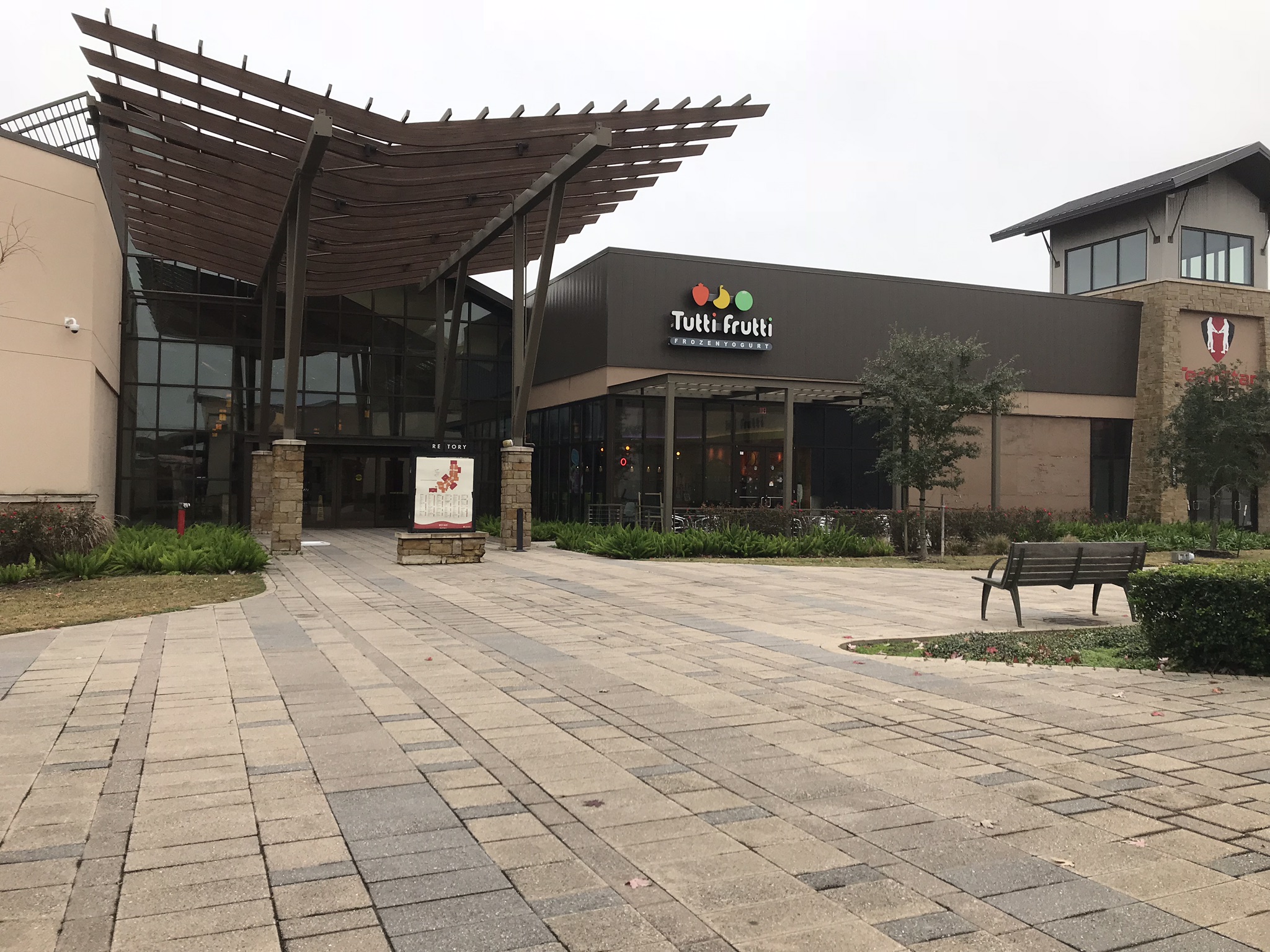
At this point, part of the problem was a weak economy, mall oversaturation in the area, and an increase in nearby big-box competitors. Throughout the 2000s, the remaining pad spaces were filled primarily with large-box stores that were more attractive to most consumers than the mall. As such, the tenancy in the mall declined. Many mainline stores, such as The Disney Store, Foot Action, Forever 21, and even Dairy Queen, had left the mall by 2010. While, for the most part, the tenants were replaced, their replacements were typically 2nd- or 3rd-tier. By 2011, the new Lifestyle Wing was complete, and as a result, Alamo Drafthouse relocated to Vintage Park (and later to La Cantera) as the only remaining Drafthouse in the area. Unfortunately, the new lifestyle center proved somewhat of a failure. While it did bring a new Multiplex Cinema and room for new tenants, it didn’t attract any new tenants, except for a Froyo shop in 2013, which took over the original mall space and is now an exterior-facing shop. Over the next several years, the mall’s tenant list would take a real beating. Losing just about every major chain, at this point mainly due to national cutbacks, and West Oaks was generally performing poorly.
In 2017, the Mall was sold again to an investment company owned by a local family, who had made their name running boutiques and developing a fashion line in Houston in the 90s and 2000s. After purchasing the mall, the family also purchased the Macy’s building, which soon announced it would be closing that location, leaving West Oaks with only Sears and the movie theater at that time. It is worth noting that West Oaks had a Junior Anchor. It was initially built as a Palais Royal, which operated from the mall’s soft opening in 1983 until 2001. The space would then be leased to Linen’s ‘n Things, which would operate there until its bankruptcy in 2008. After remaining vacant for a period, Palais Royal would be restored during the 2011 update. In 2018, the Mehta Family would open “The Outlet” in the former Foley’s/Macy’s building. The store is a large-scale “pallet seller,” meaning it takes items such as overstock from other stores and resells them. Most of their merchandise comes from retailers such as Target, Sam’s Club, or Costco. They also maintain a large selection of Wedding and Prom dresses, which were previously the specialty of some of their boutiques.
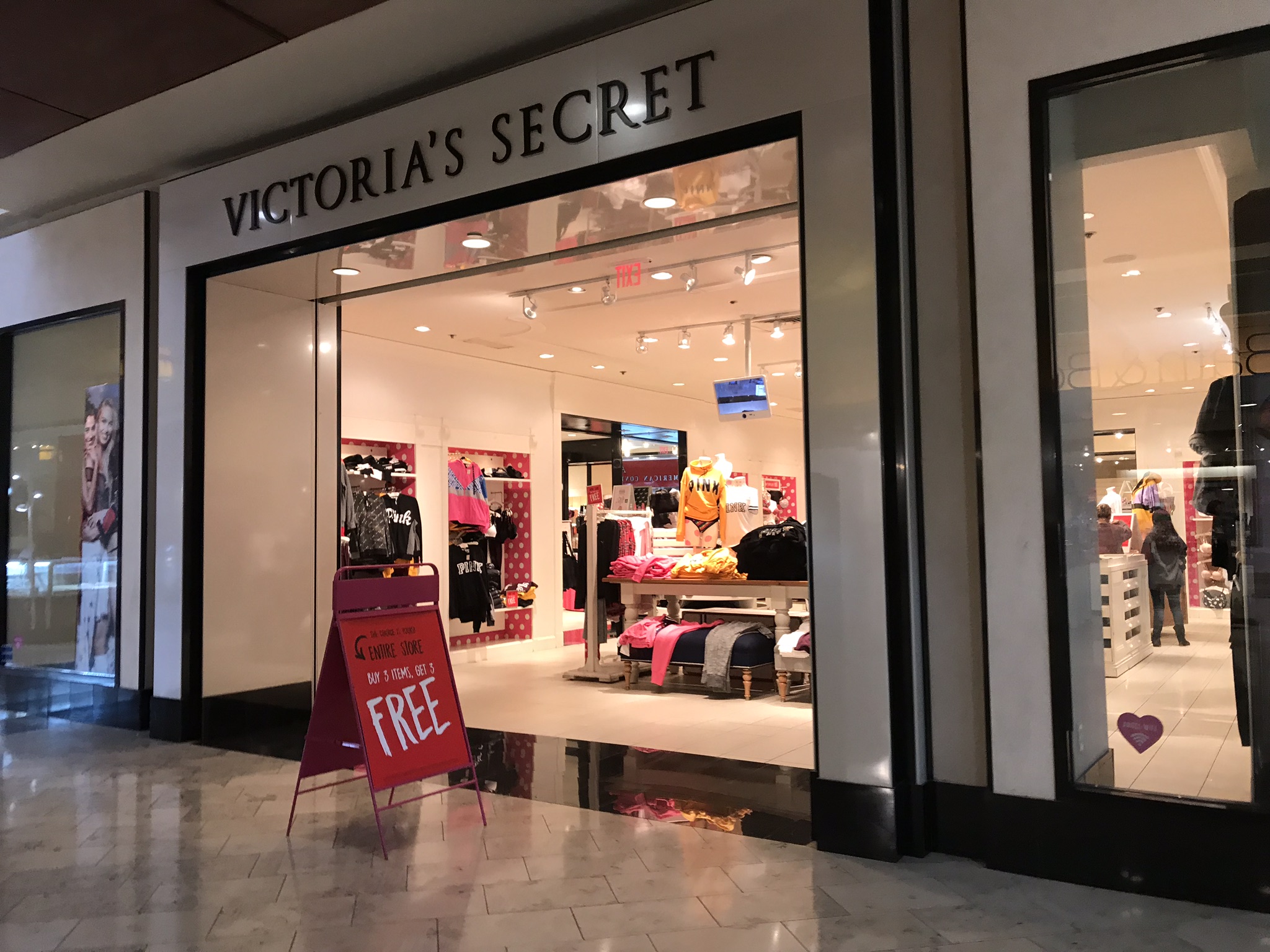
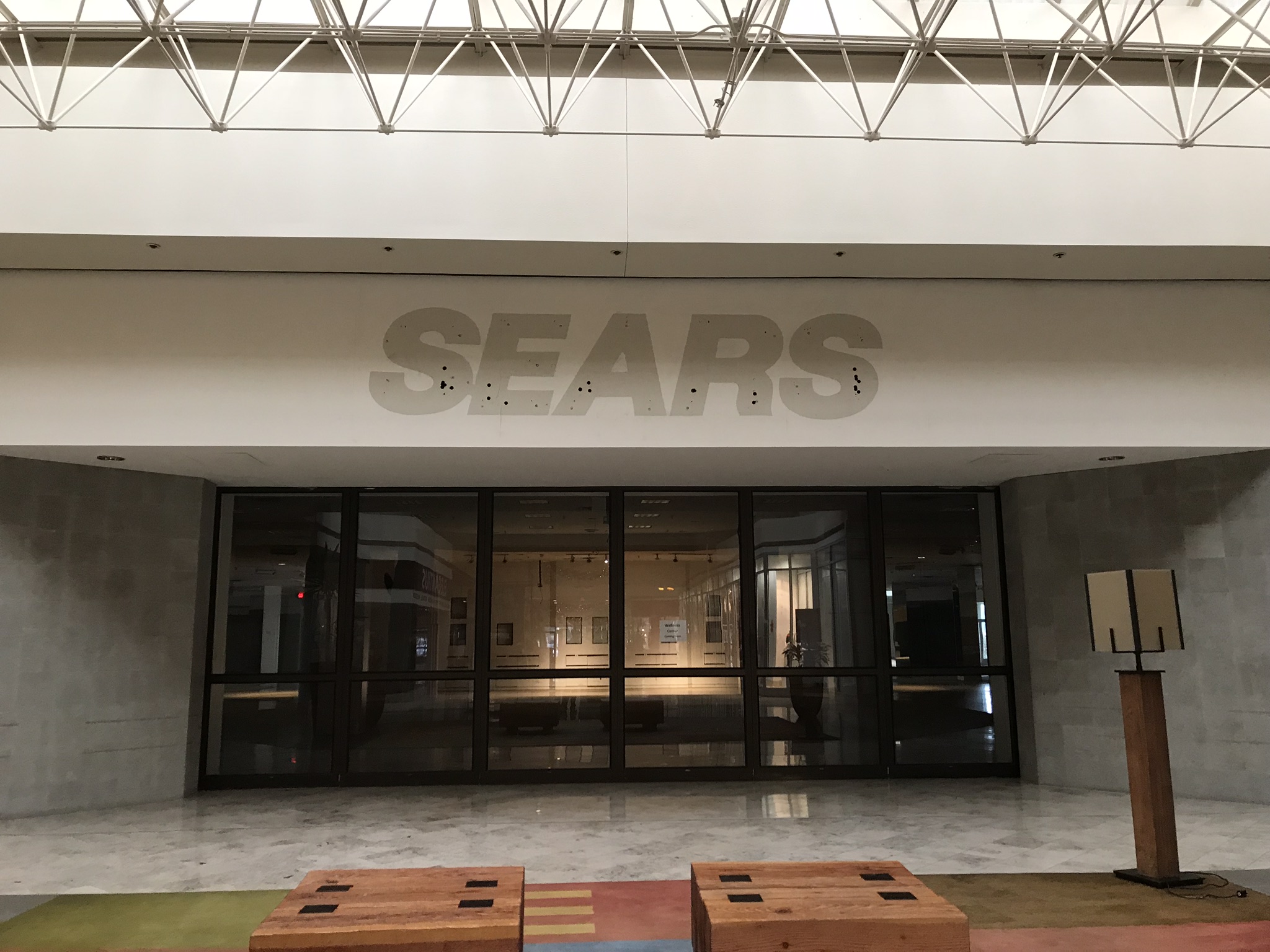
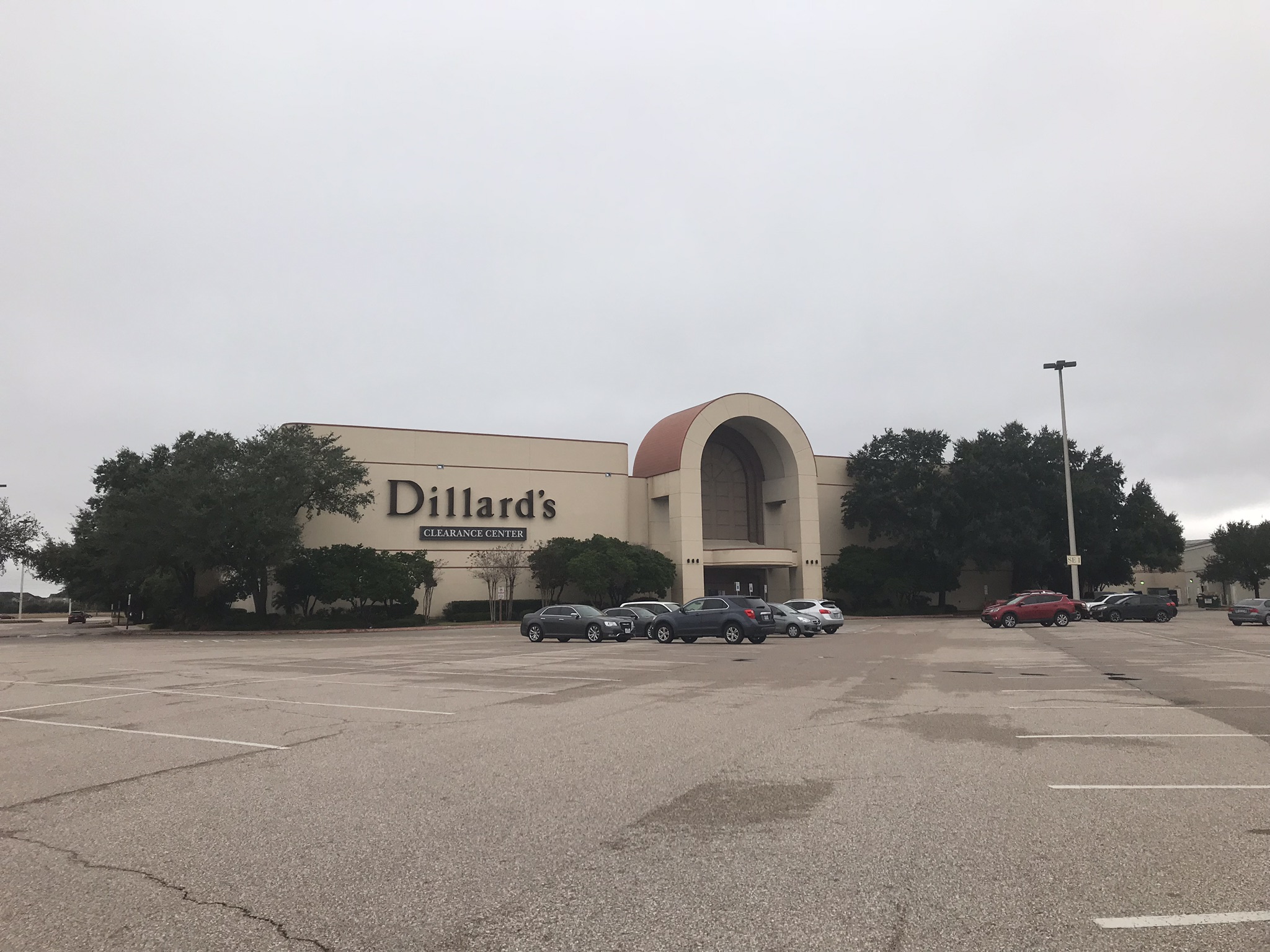
Over the past few years, little has changed at West Oaks Mall. Sears closed their store as part of the “world’s longest bankruptcy” in 2018. In 2019, Palais Royal closed its store, and many interior tenants also closed their doors. It maintained a decent shape, at least compared to Greenspoint over time. However, the tenant mix was limited, and few major chains were represented, with long-term holdouts remaining after Victoria’s Secret and Bath & Body Works closed in 2020 and 2021, respectively. Little effort was invested in developing the property’s lifestyle features, with a large vacant portion walled off and left undeveloped for years. Access to the interior of the mall has been difficult since 2023. It seems that at some points the interior is open and accessible via The Outlet. However, at other times, it appears that you may not be able to get inside the mall. The mall’s physical condition is deteriorating, but not in dire straits. Anchors such as The Outlet, Dillard’s Clearance Center, and Crazy Boss continue to operate normally, leaving the mall in a bit of limbo.
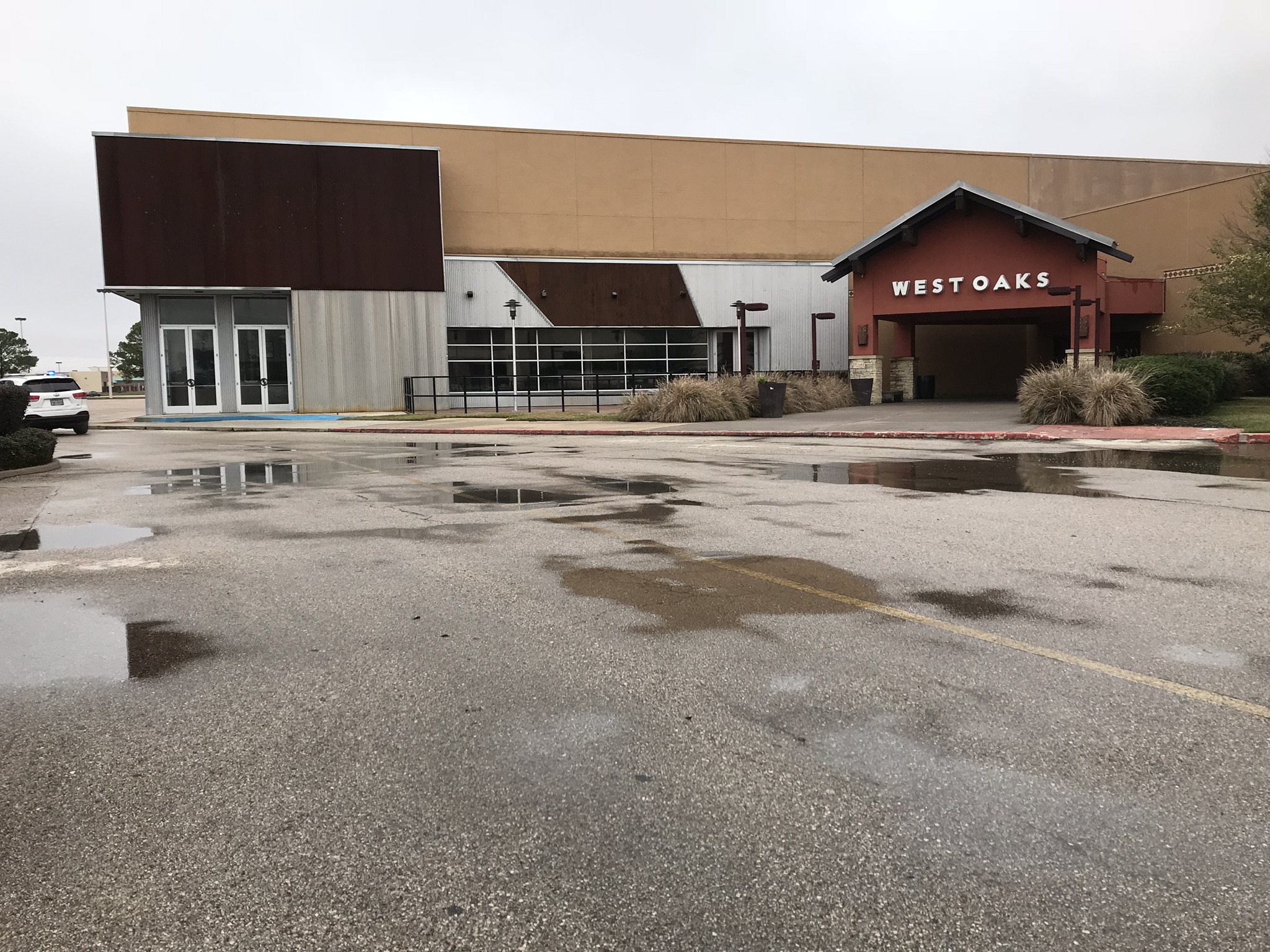
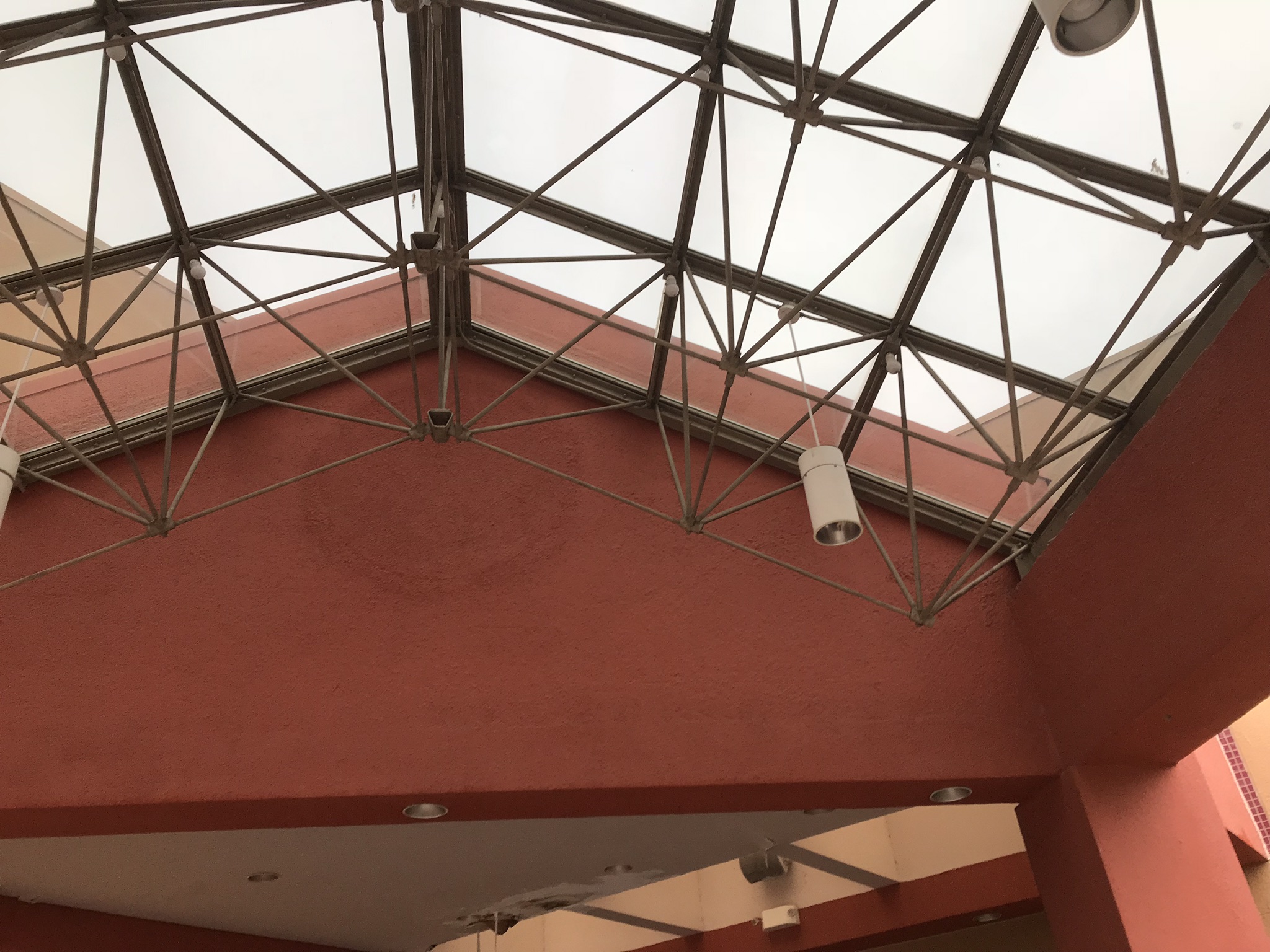
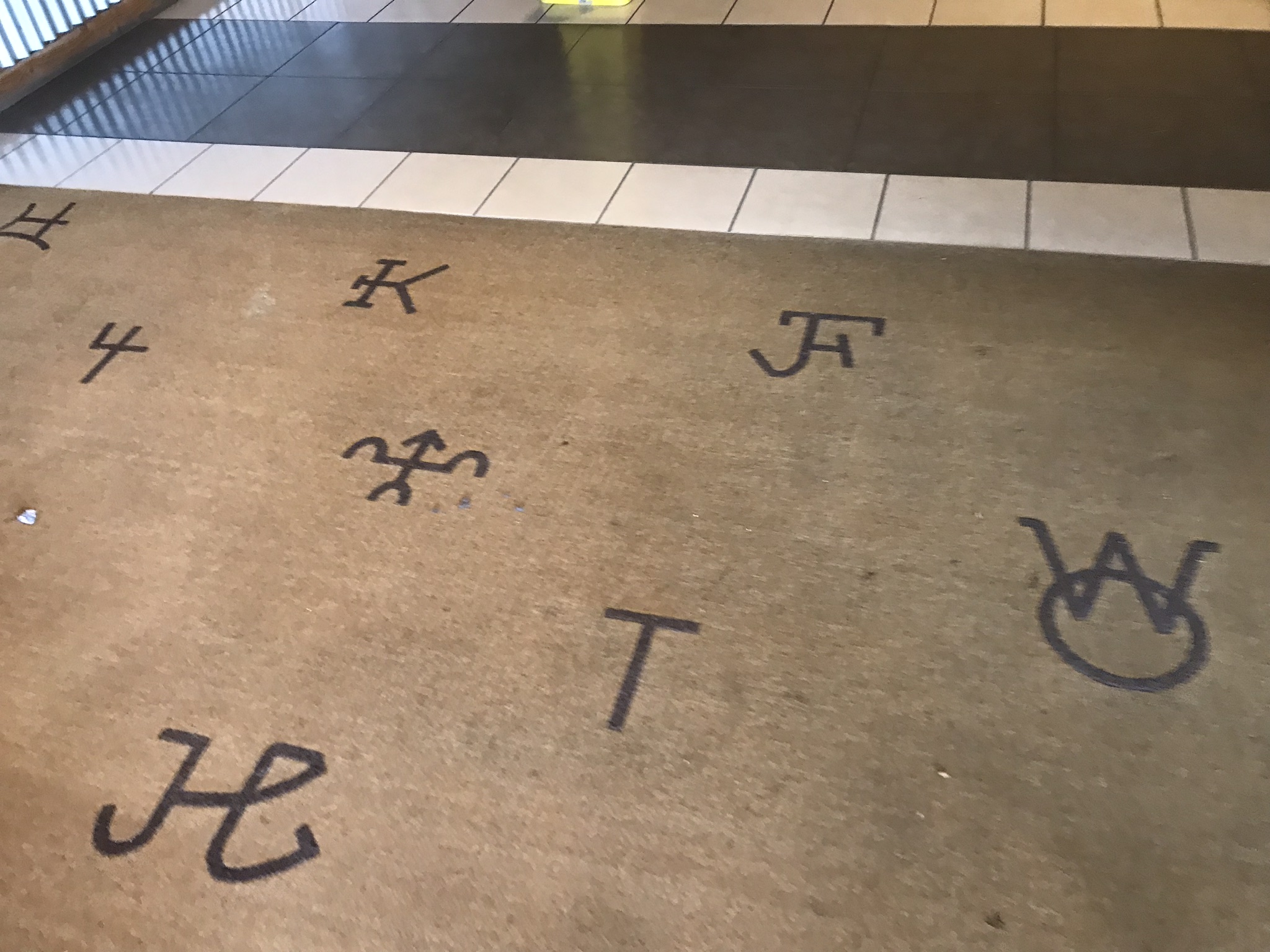

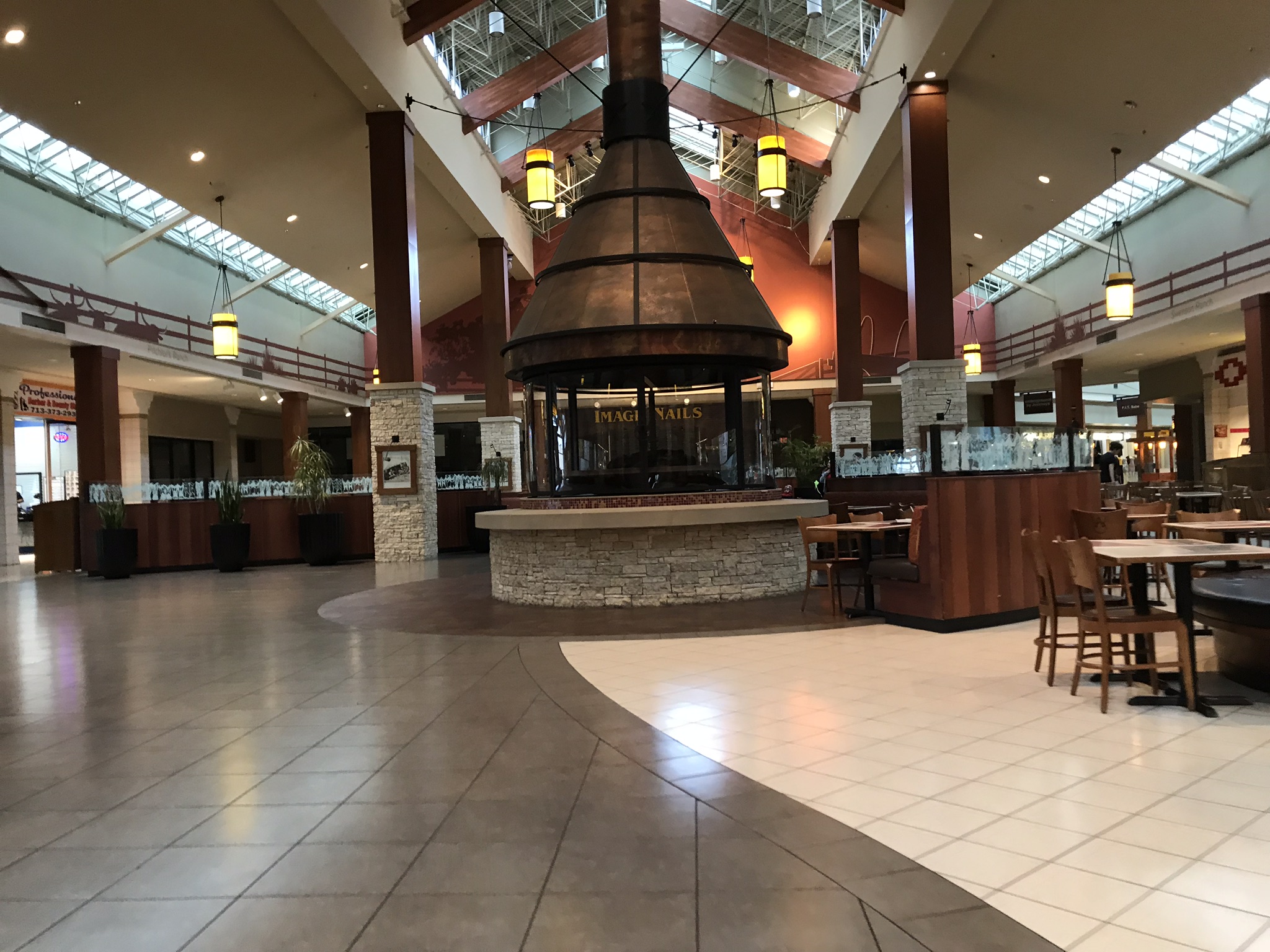
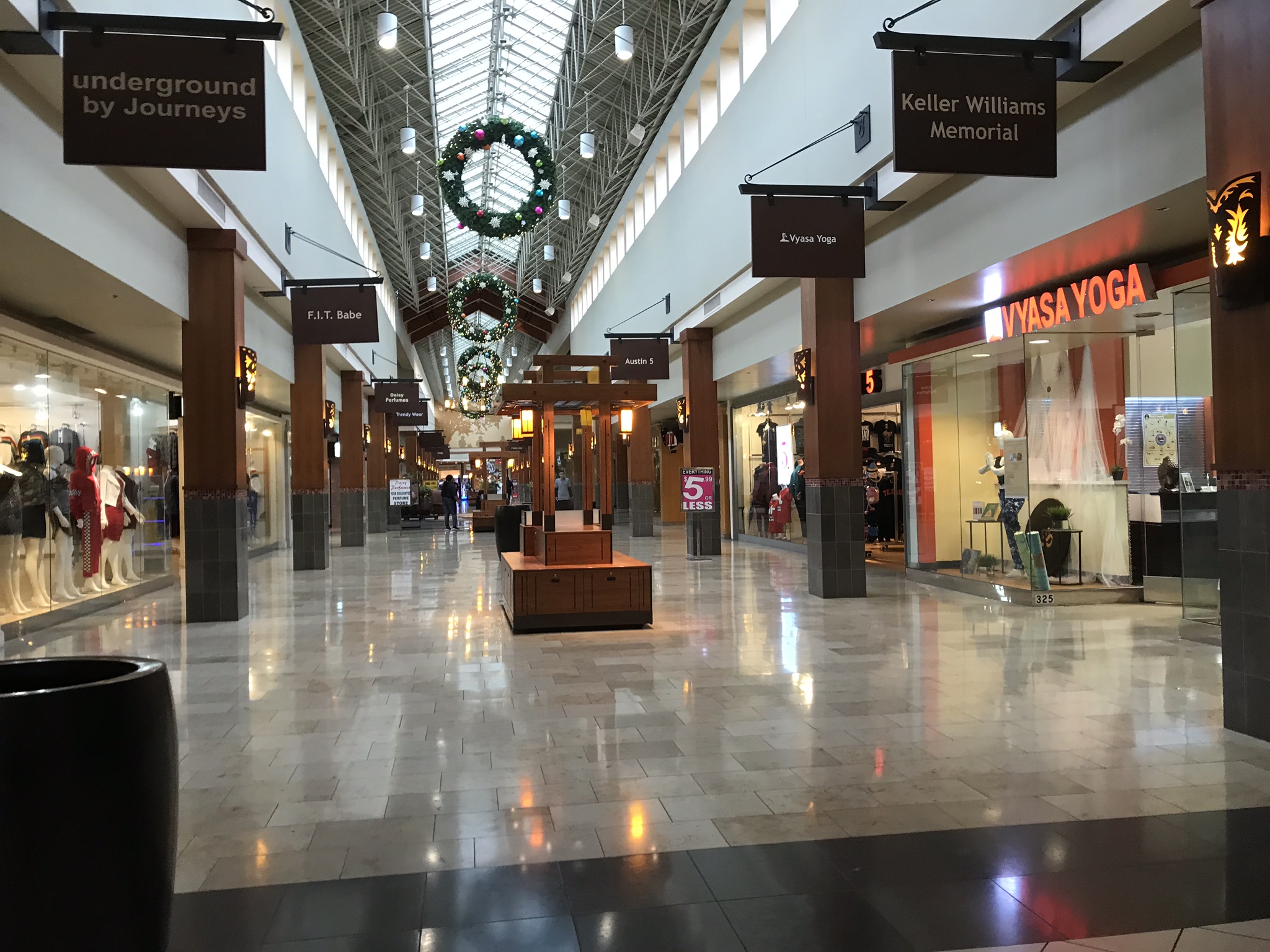
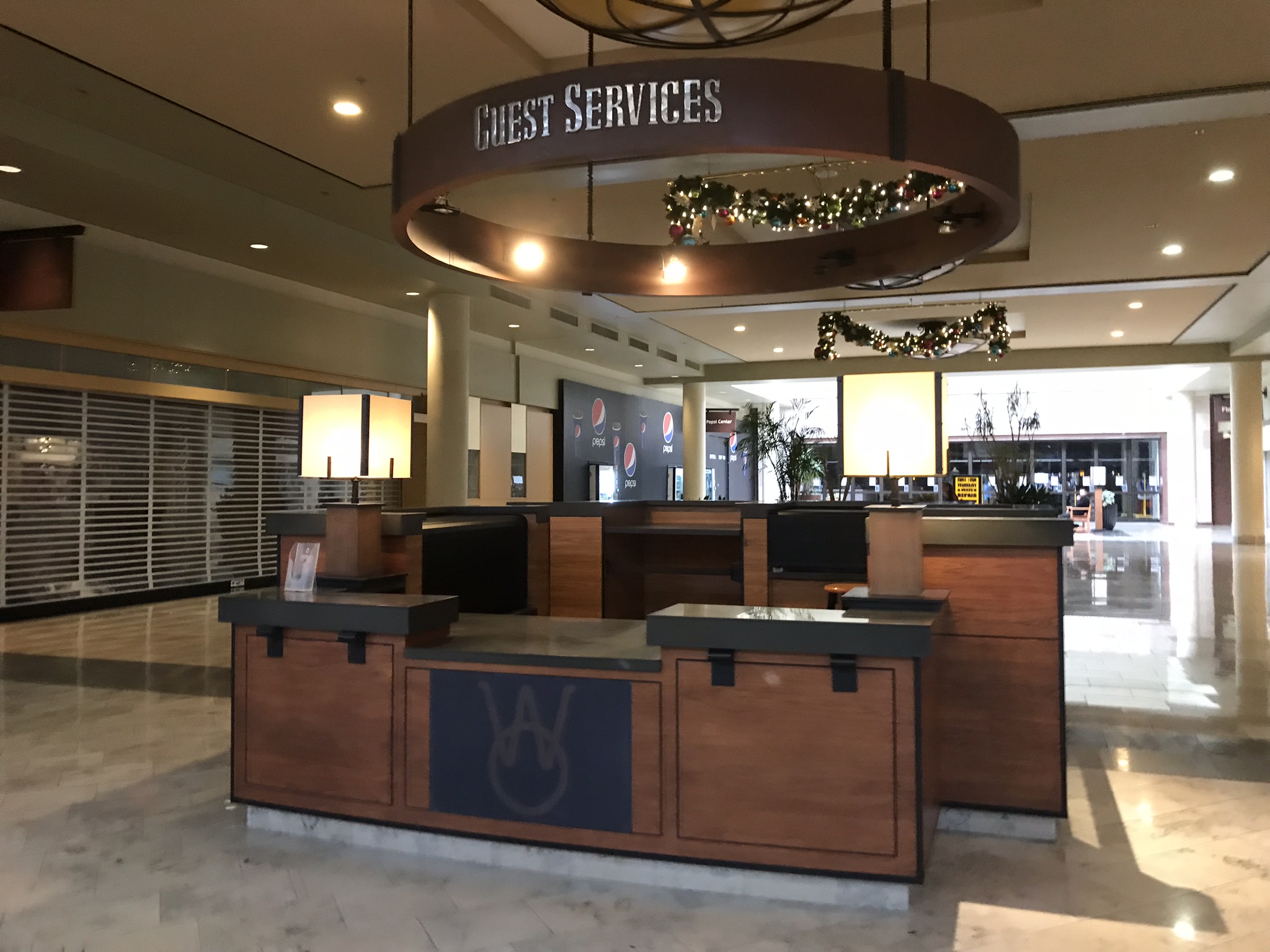
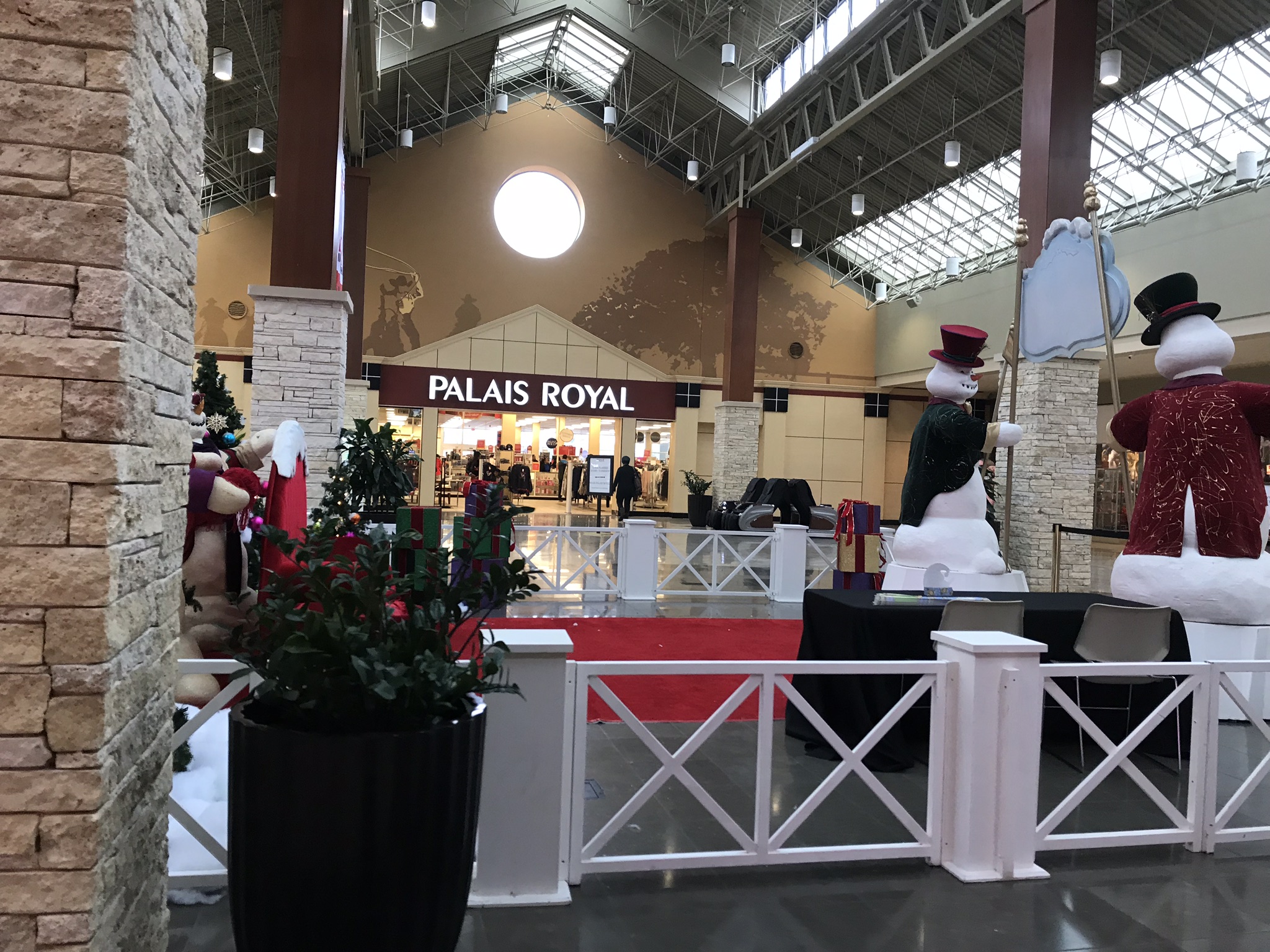
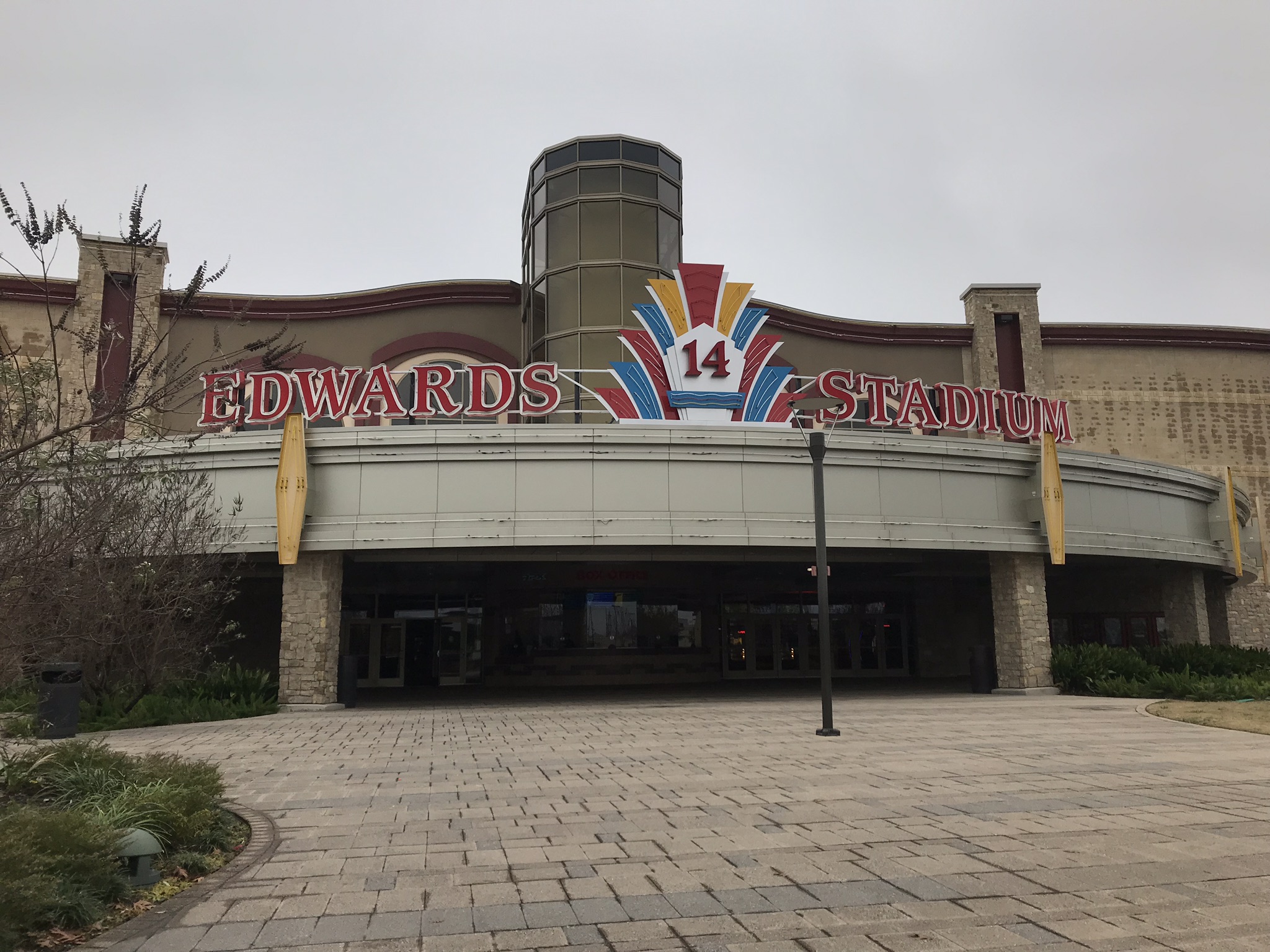
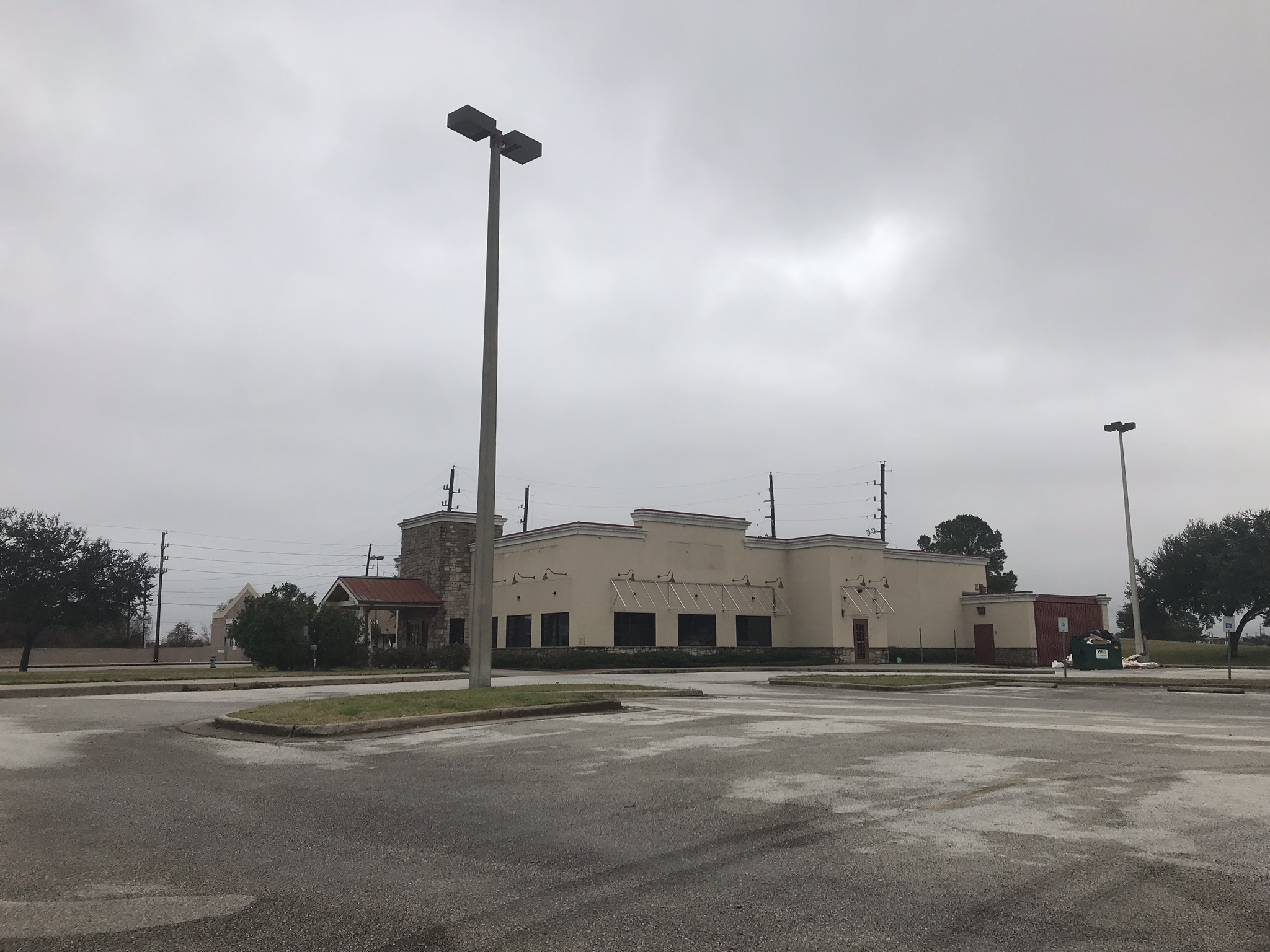
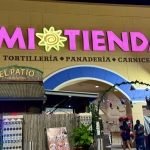
Ever since last year, when I made my trip to the mall every three months or so, the doors were closed, and there was no entrance through the stores either.
It was one of the nicest malls I had ever been in when I moved here in 93.
West Oaks was Saks Fifth Avenue’s second location in Houston, not the first. Built as a free standing boutique mall in the 1970’s at 1800 South Post Oak (today Post Oak Blvd), Saks Fifth Avenue opened its first Texas store in Neiman Marcus territory. Saks remained the dominate store in its mall until it relocated several years later into the Marshall Field’s location in the Galleria. Subsequently, a several years after taking over the Marshall Field location, Saks built the current location in the Galleria. The original 1800 Post Oak Mall had Saks in the center and three sides of upscale designer stores. The final renovation added a wing on the Post Oak side with additional shops and restaurants. The Saks Post Oak store and boutique mall was demolished and the site redeveloped.
Good point, I’ve never been a Sak’s shopper (at either location!) so it’s easy to forget that the Galleria store moved.
Back in the 80 & 90 was this a good mall now just trash
West Oaks. Ahh, memories. I went shopping for Christmas gifts there in December of 1999. Ran into a guy I hadn’t seen in fifteen years. We caught up, had some lunch, and off I went. Had a heart attack six hours later…
(Note that I said, “memories” and not “good times!)
There was another yeehah bar in the Alamo Drafthouse/Toby Keith space for a few months last year. They found out the hard way that the C&W demographic had migrated far, far west.
Huh, I saw them put up signs but figured the place never actually opened.
West Oaks used to be THE PLACE!