If you took a snapshot of Houston’s Asian retail scene even just 10 years ago, it was largely dominated by Chinese and Vietnamese stores. Since 2016, that has slowly been changing, and while Japanese retailers are still “playing catch-up,” they have a much stronger foothold than they did even just 10 years ago. Today, we’ll be focusing on Seiwa Market, Houston’s premier Japanese supermarket. Before we dive too deep, though, I think it’s worth noting that Japanese immigrants make up the earliest recorded wave of Asian immigration to Houston. Japanese nationals sought to establish rice colonies South of Houston prior to World War II. However, the development of adjacent lands as oilfields ruined much of the rice farms before the start of the war. Japanese immigration to Texas fell off, and Chinese and Vietnamese immigrants became the dominant force in Houston after World War II. That being said, the Japanese never completely left Houston either. In 1979, Nippan Daido came to Houston, a company that started as a small market in New York City. They established a sub-5,000-sq-ft store and, for years, were the only Japanese Market in town. While small, the store was mighty, pulling customers across state lines to find products otherwise unavailable. However, by the 2000s, things had started to change: new development on Houston’s Westside had brought stores like Fit JP Store to the forefront of the International District, and Japanese businesses were on the rise. By the mid-2000s, we had Yen Shops (Japanese Dollar Stores), tons of new Japanese restaurants, but very few Japanese groceries. By this point, Asian grocery stores, along with more traditional retailers like Fiesta, had noticed this and increased the number of Japanese products they carried, but beyond the tiny Nippan Daido, there was no other dedicated Japanese market at the time.
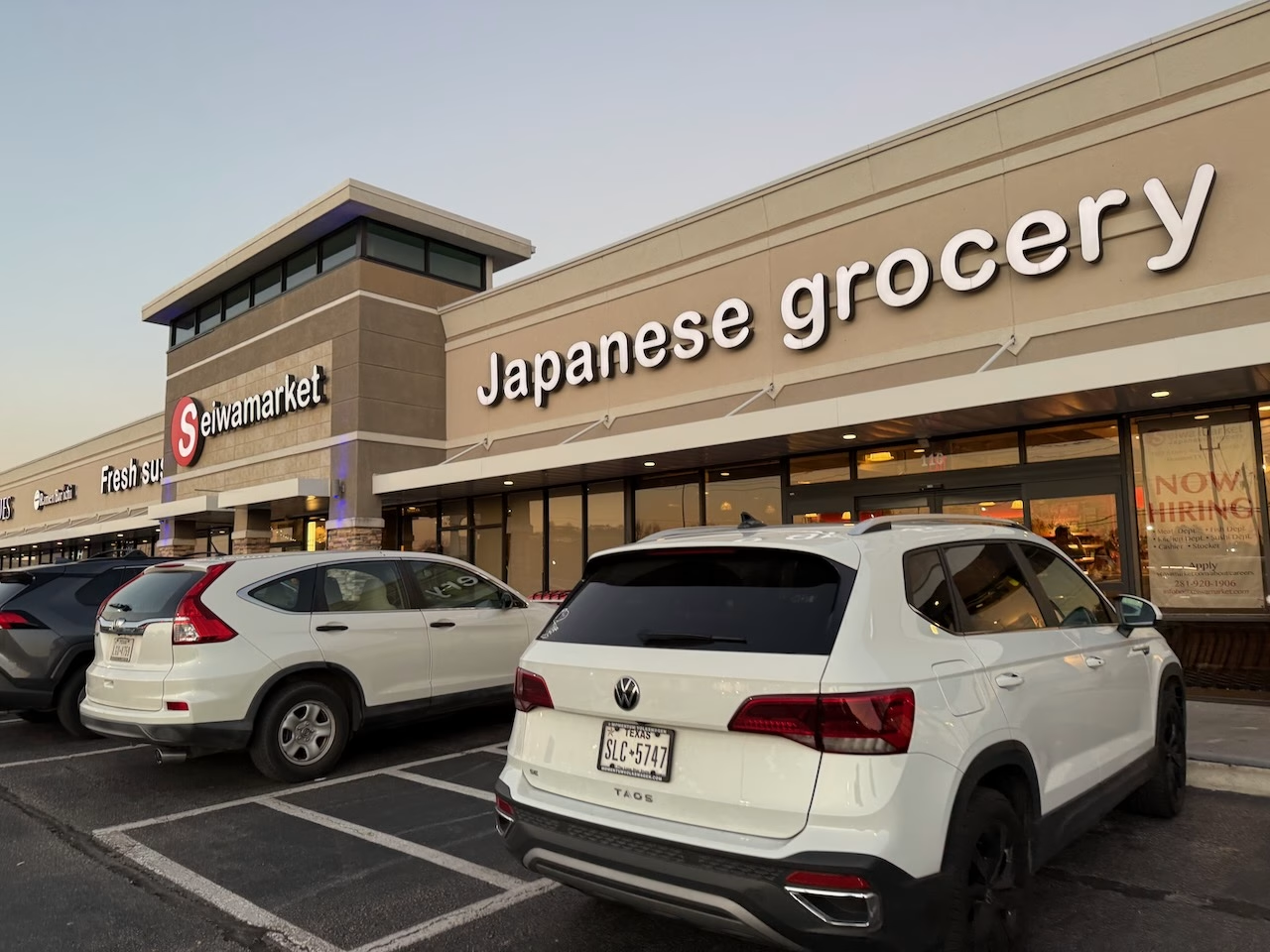
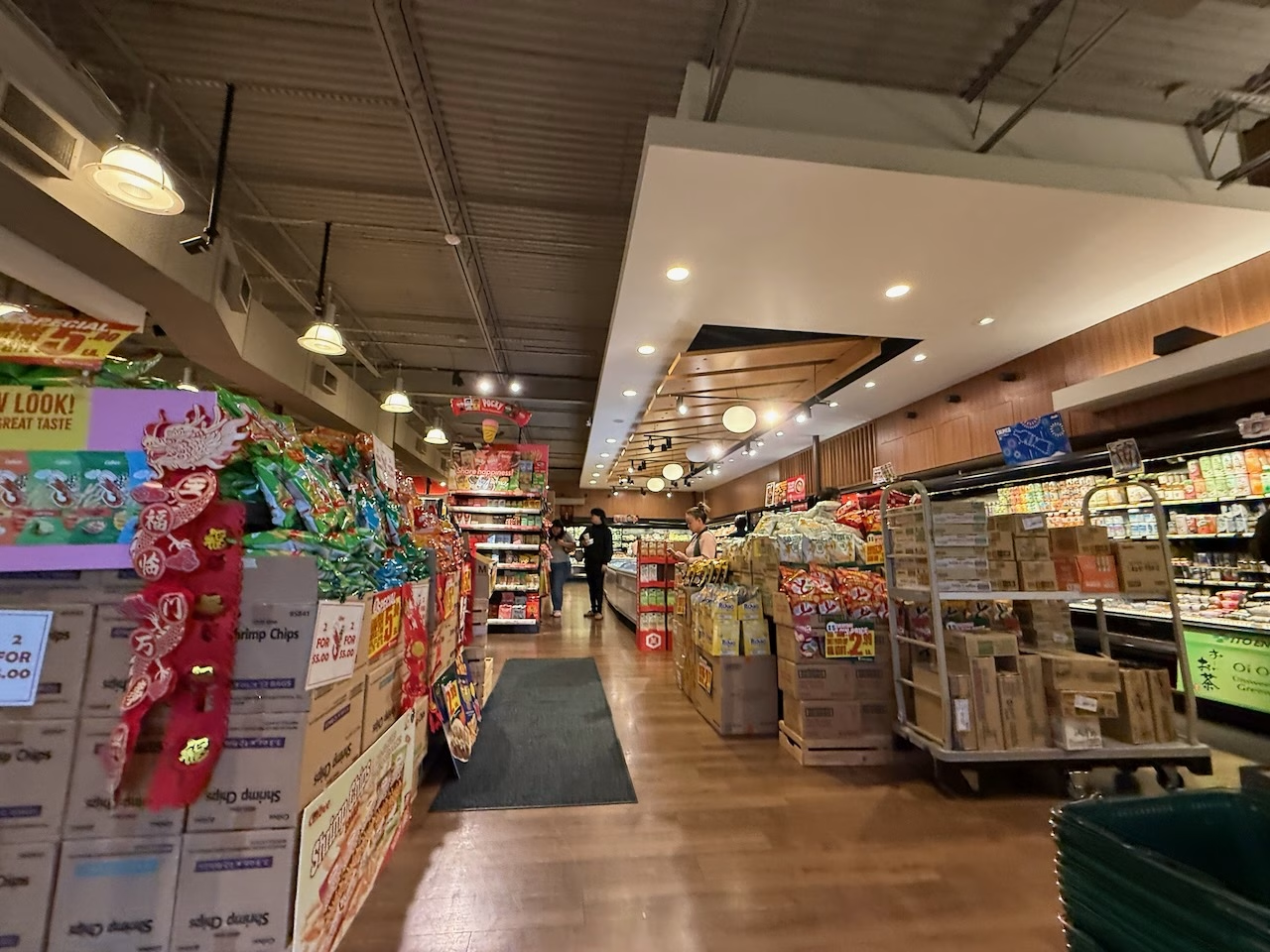
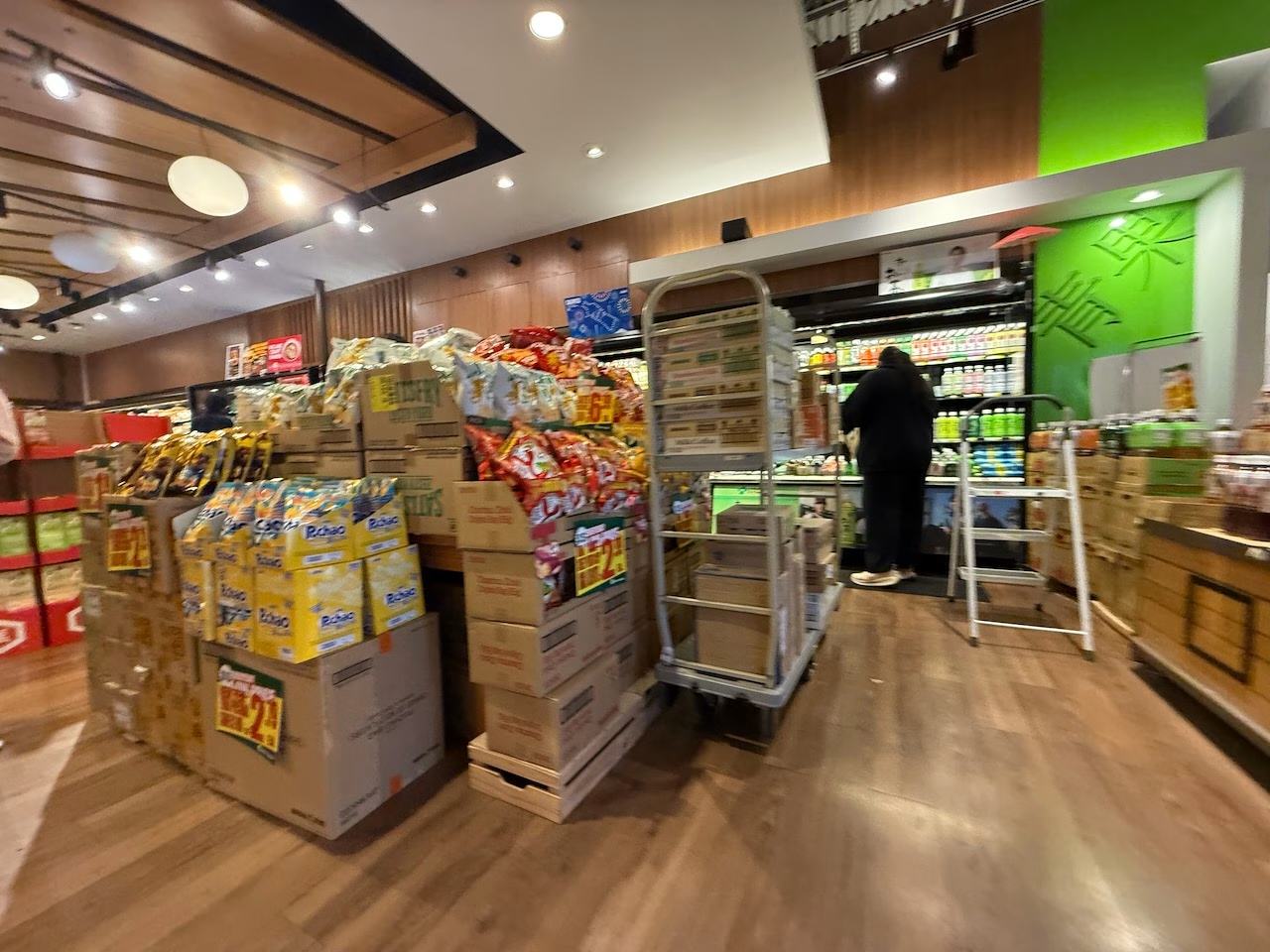
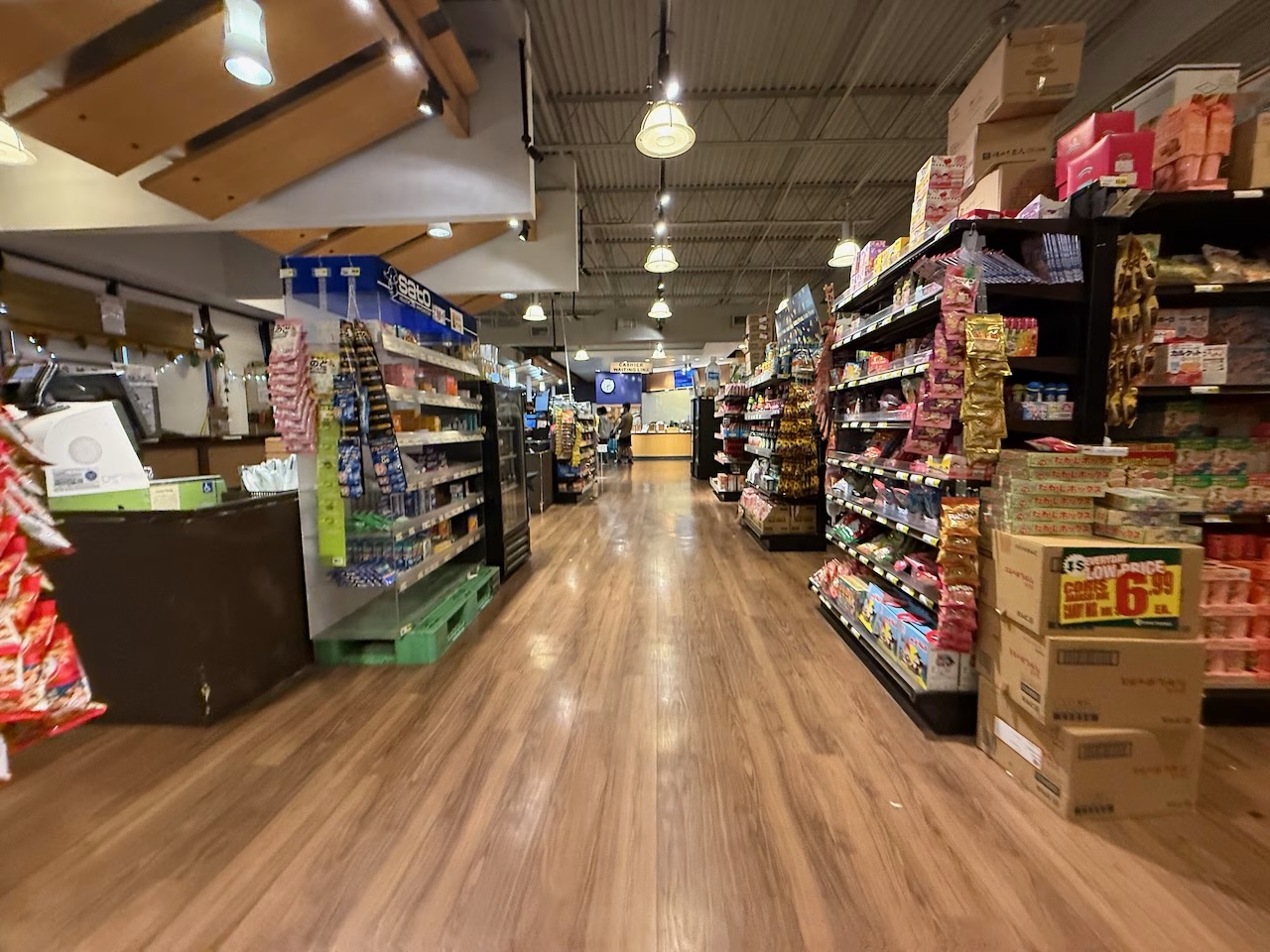
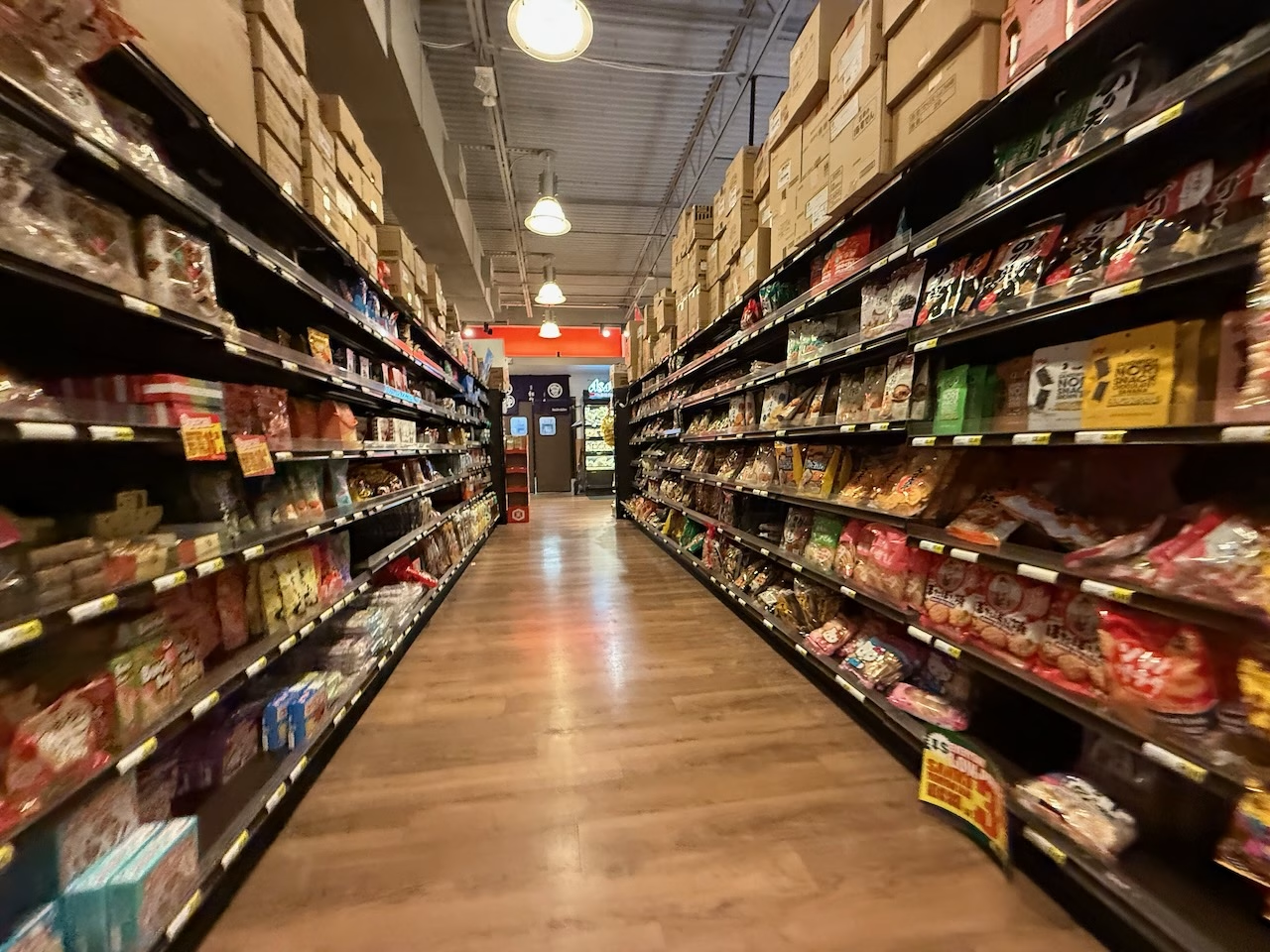
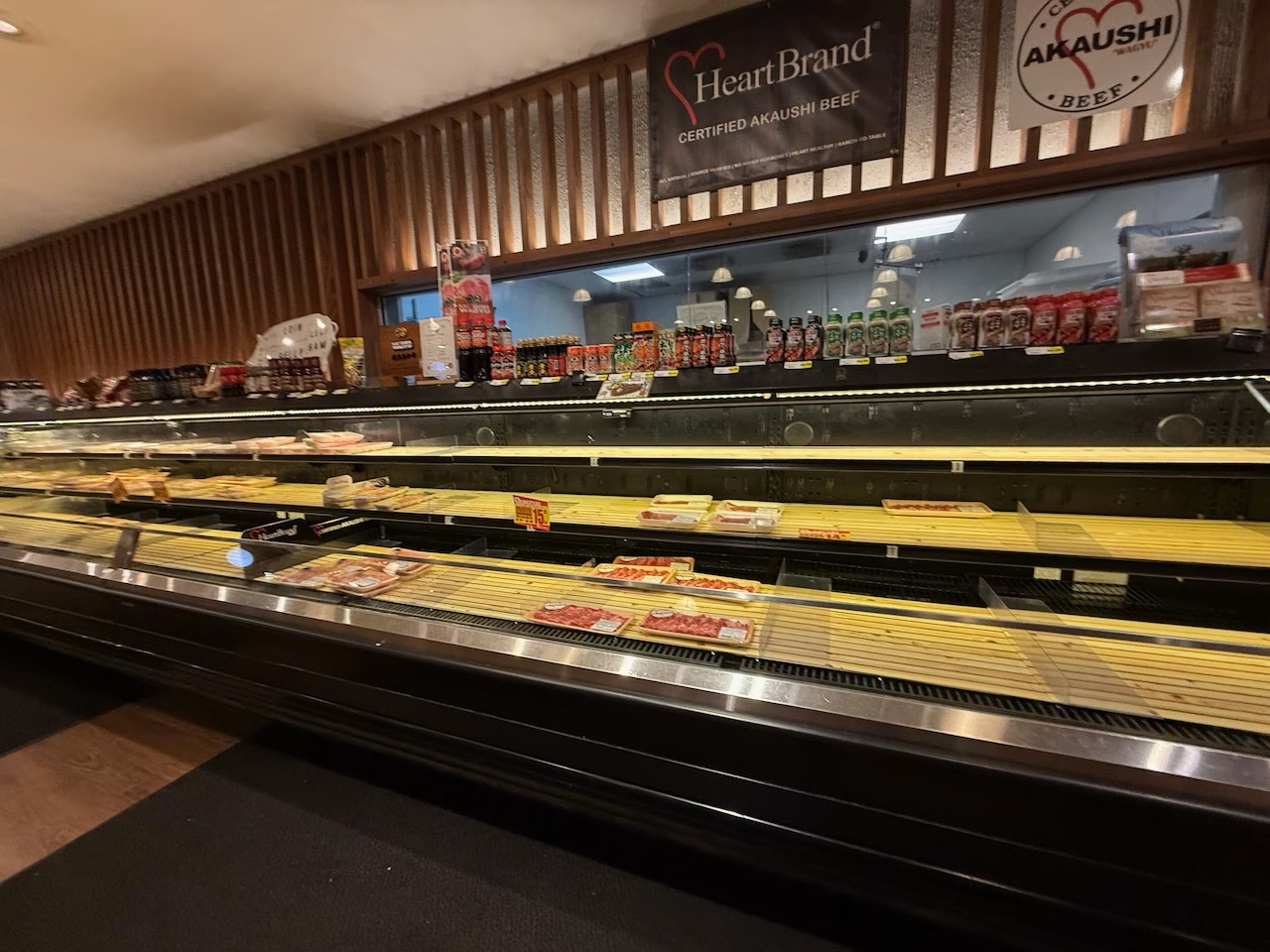
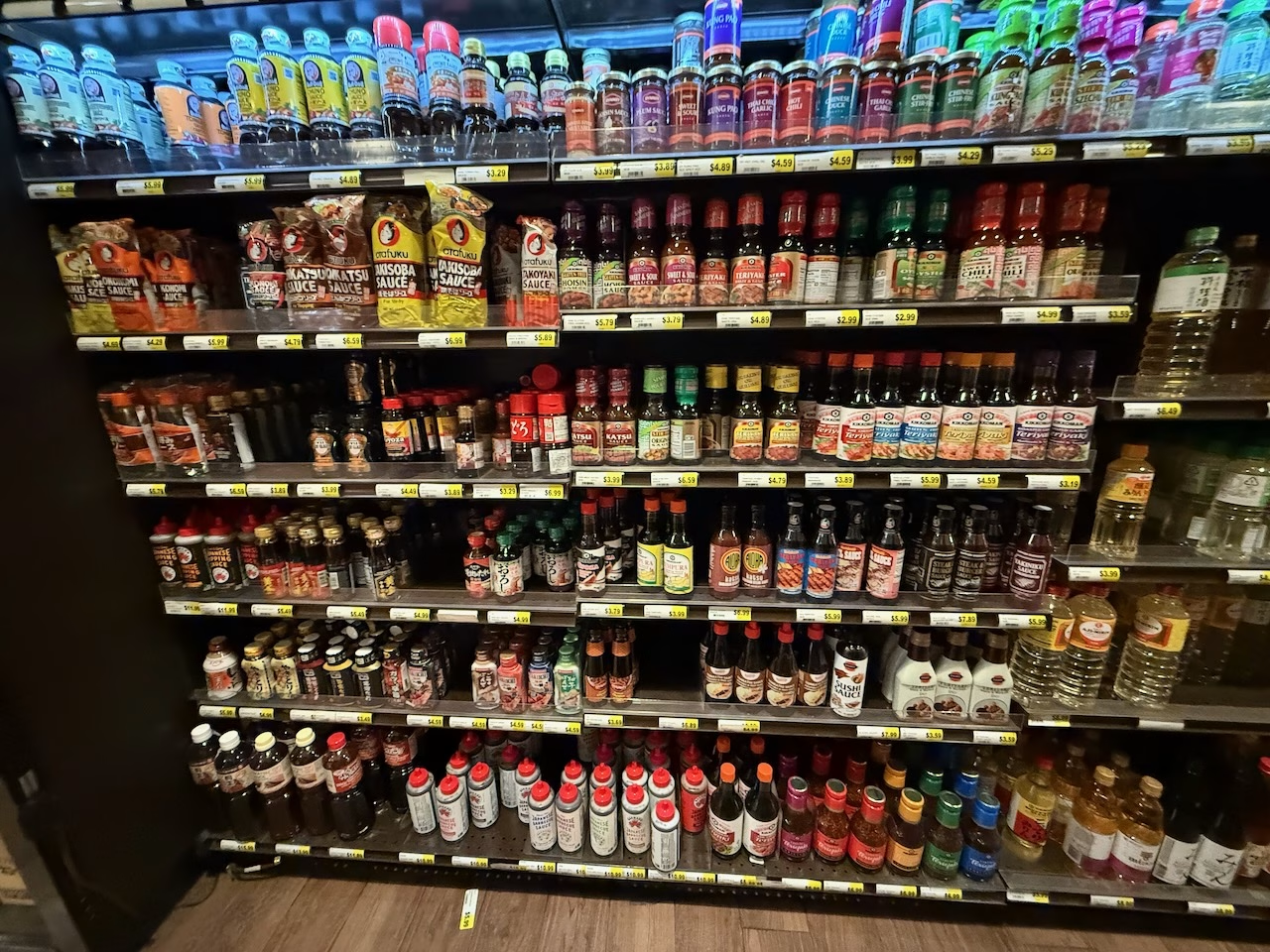
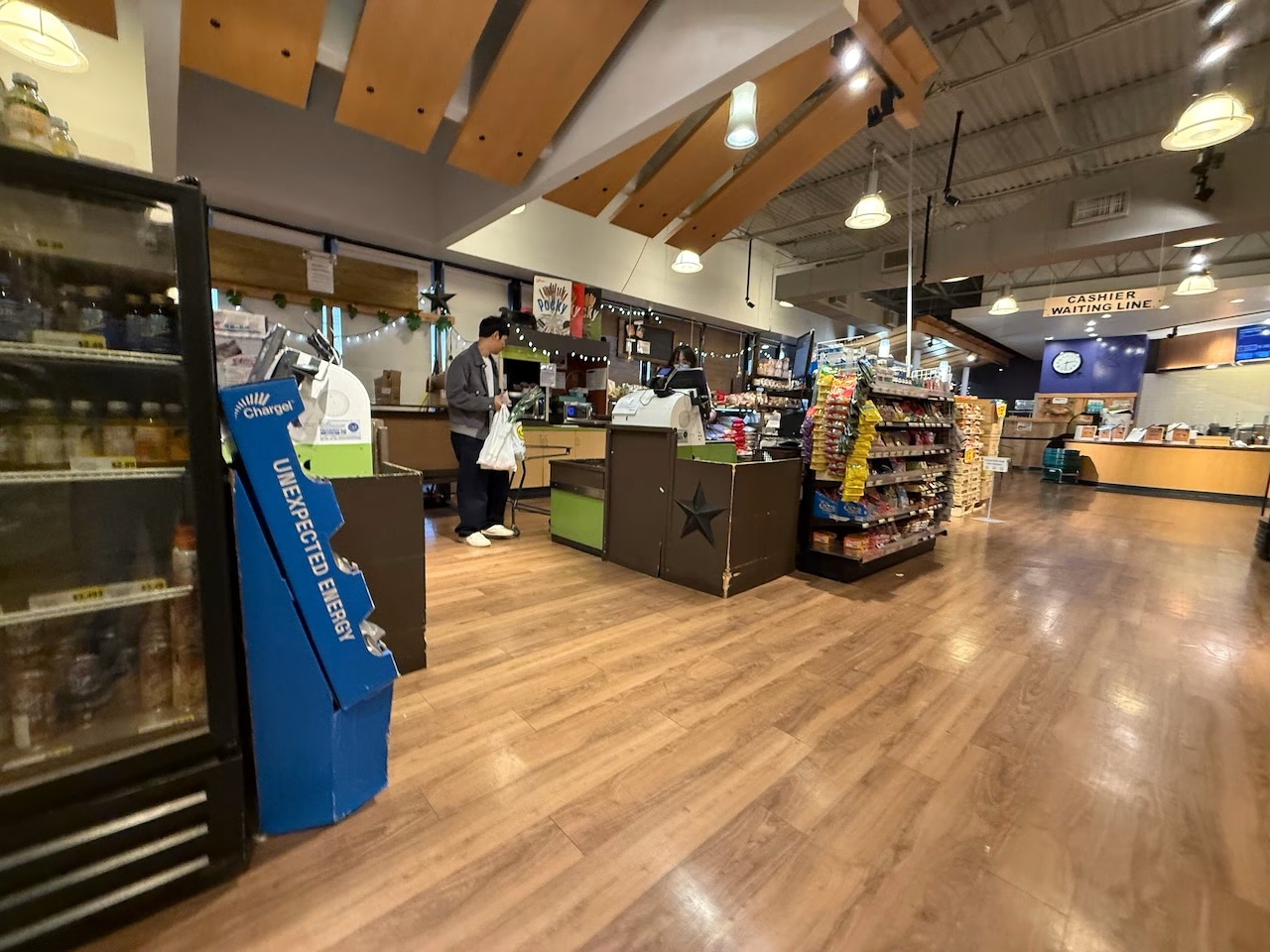
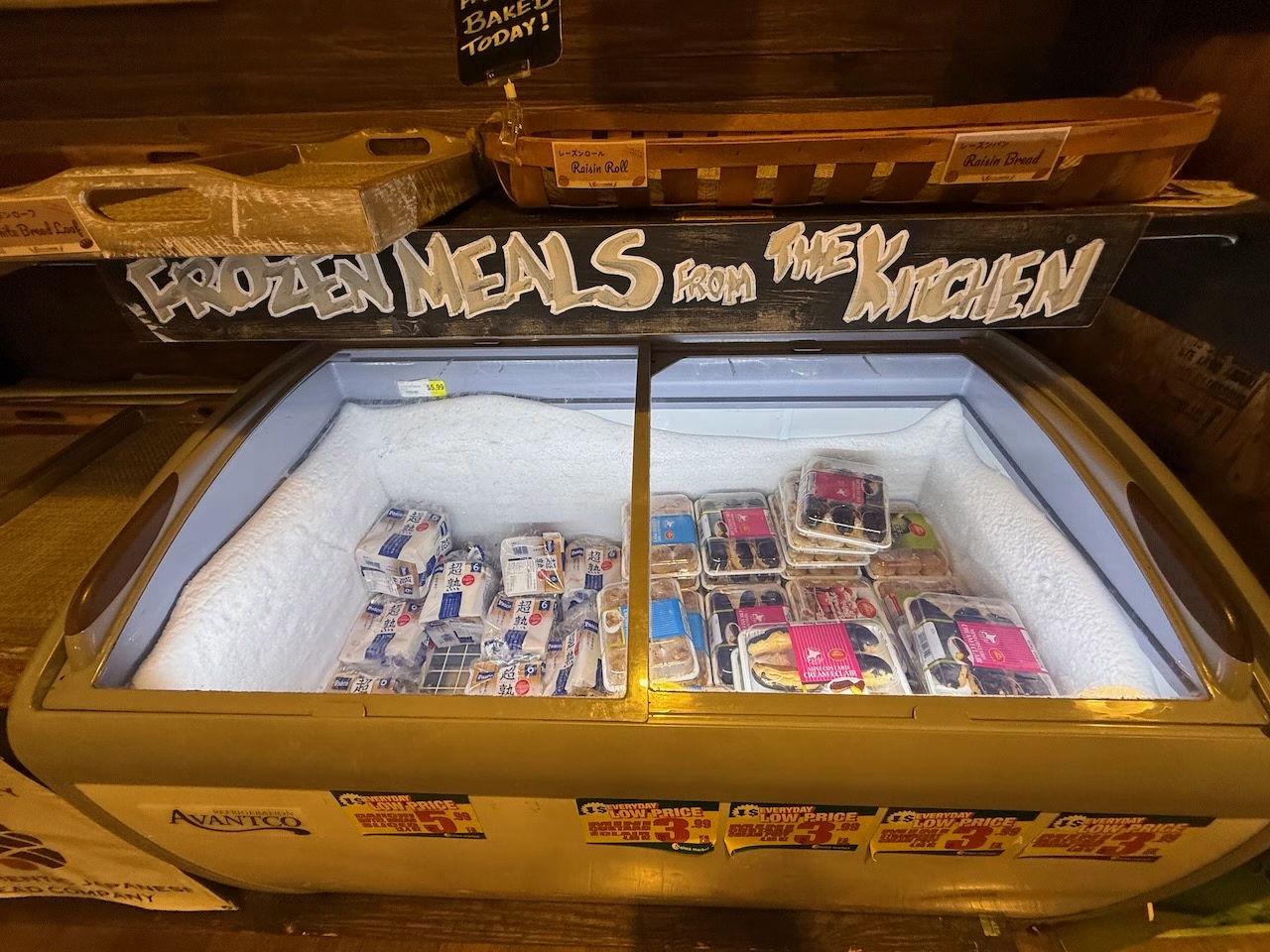
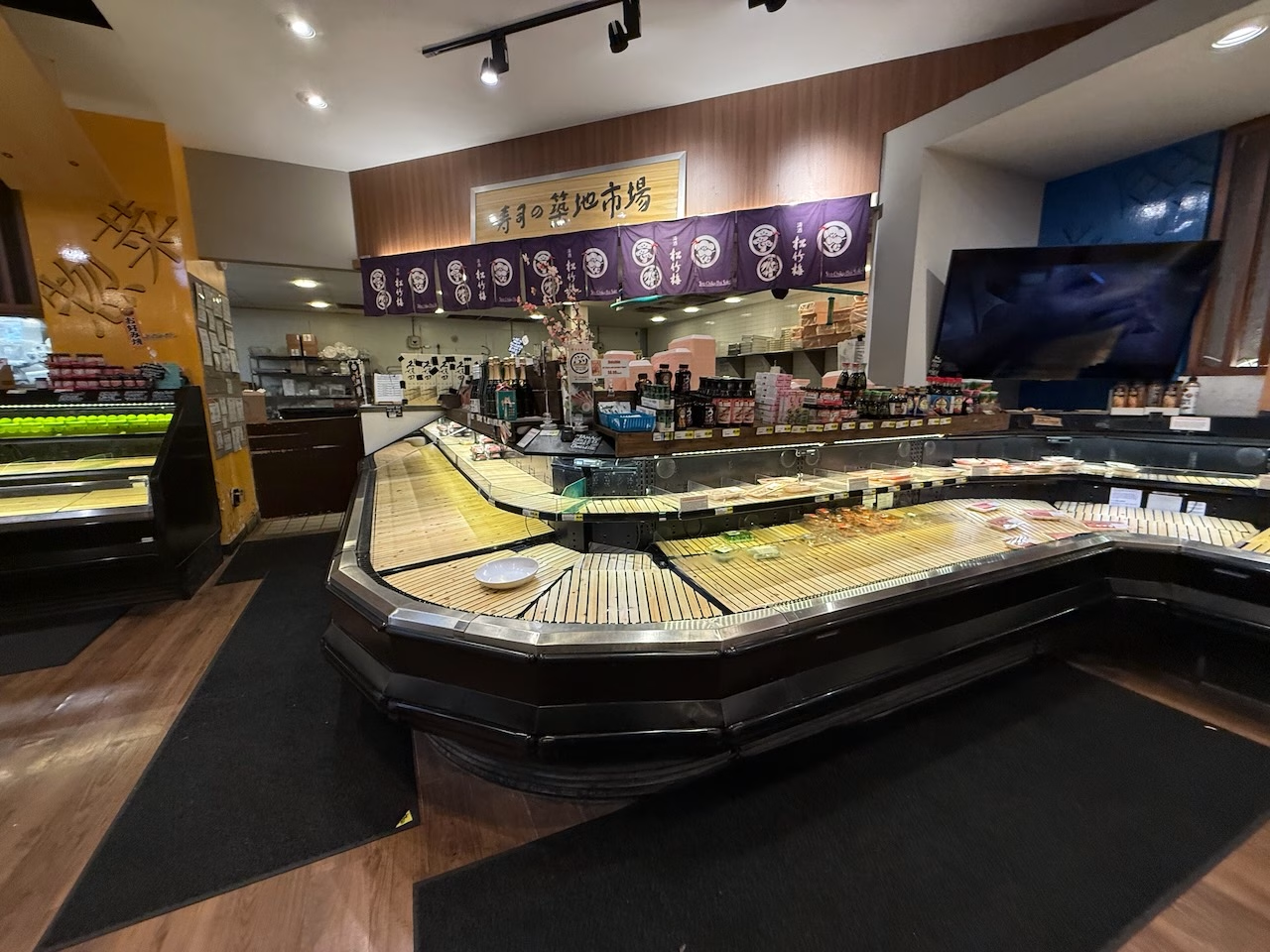
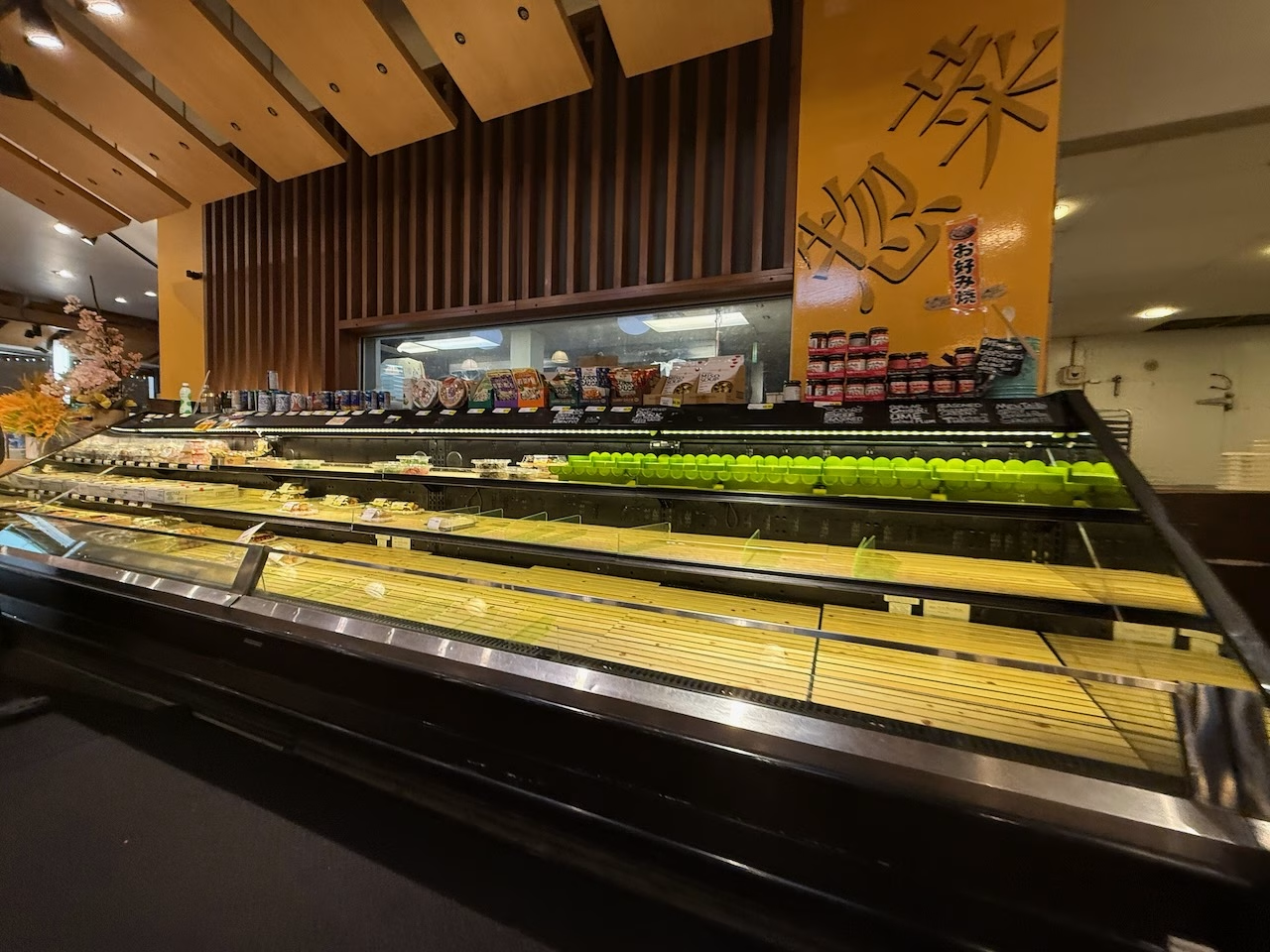
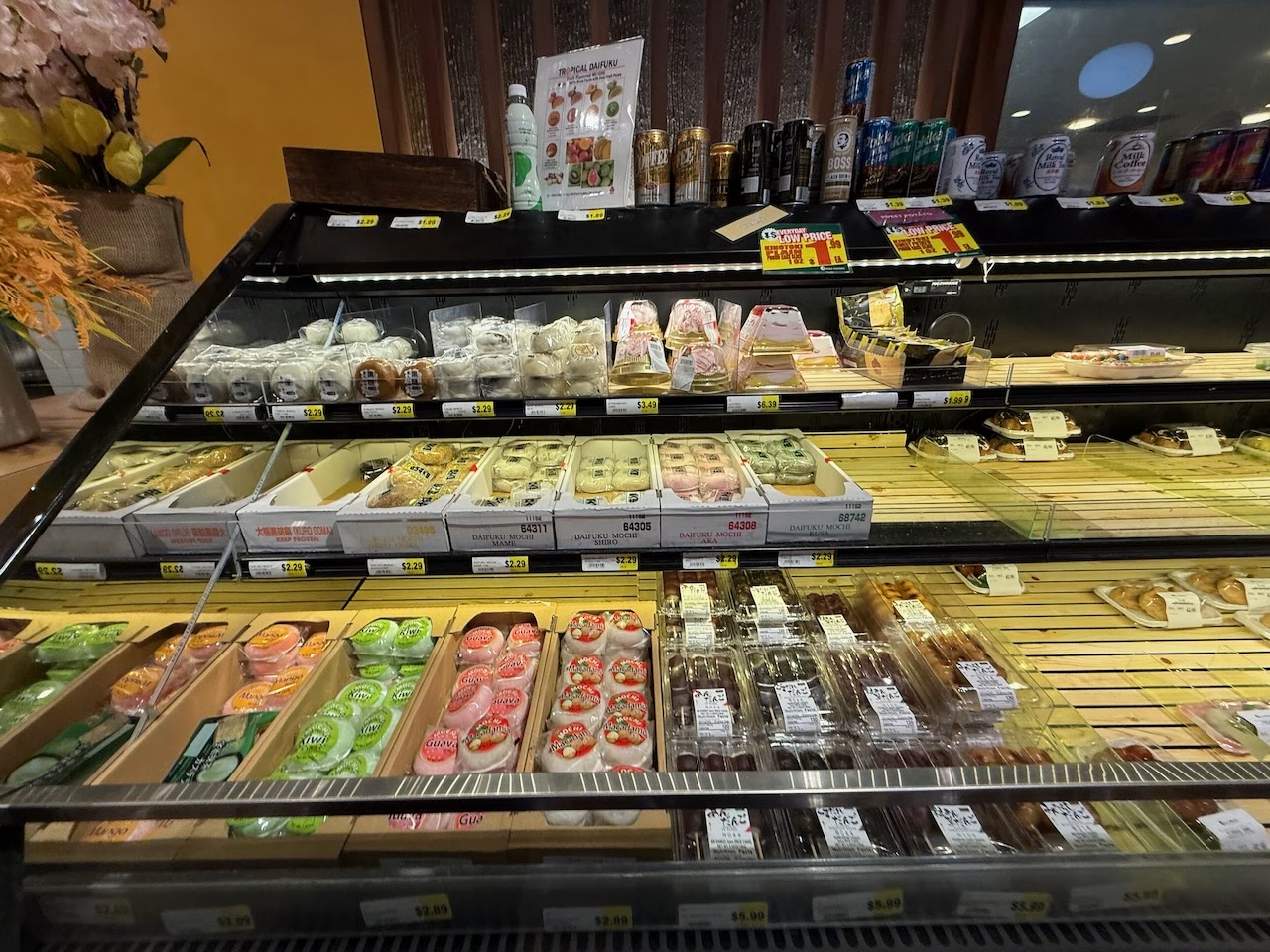
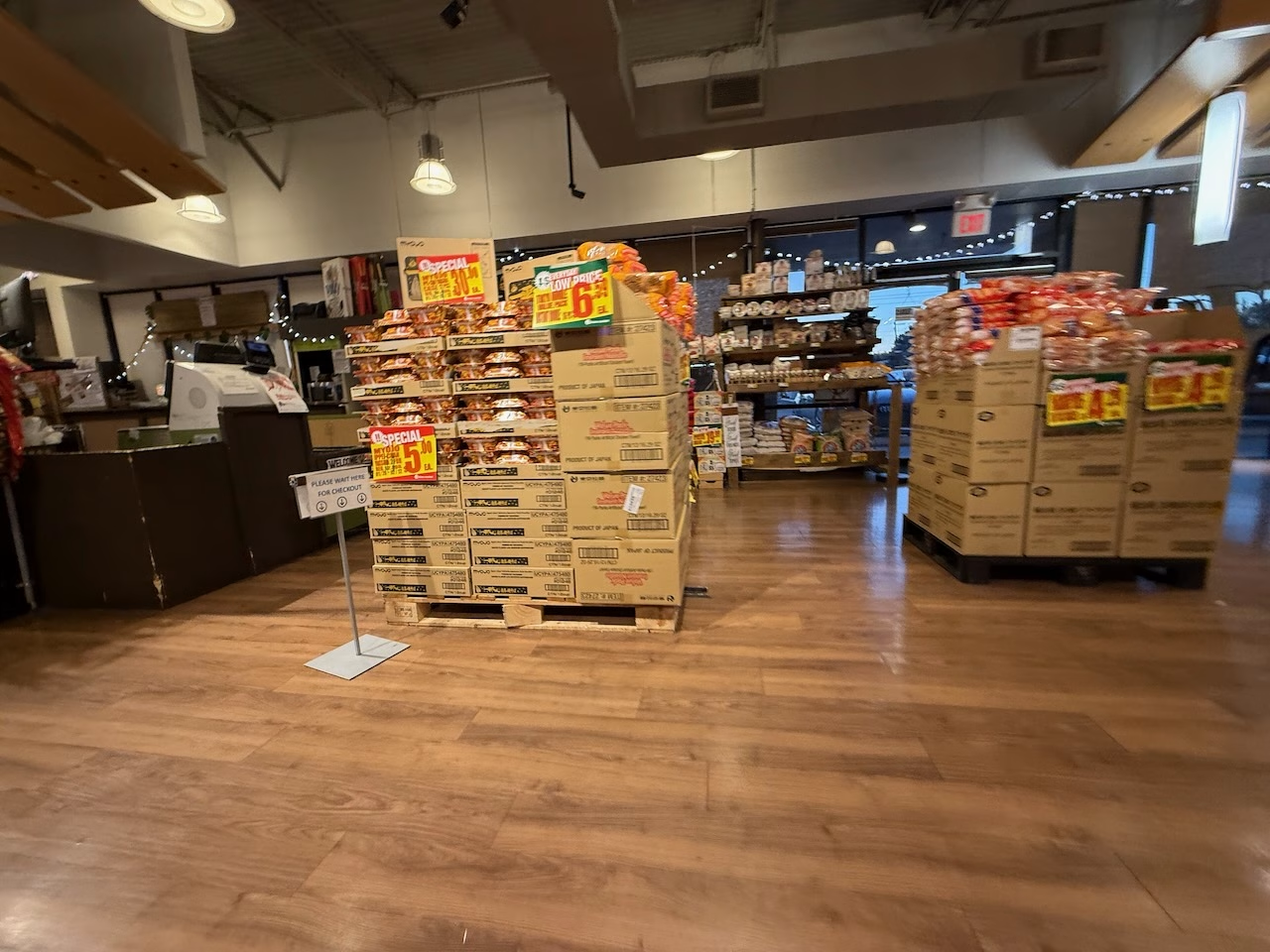
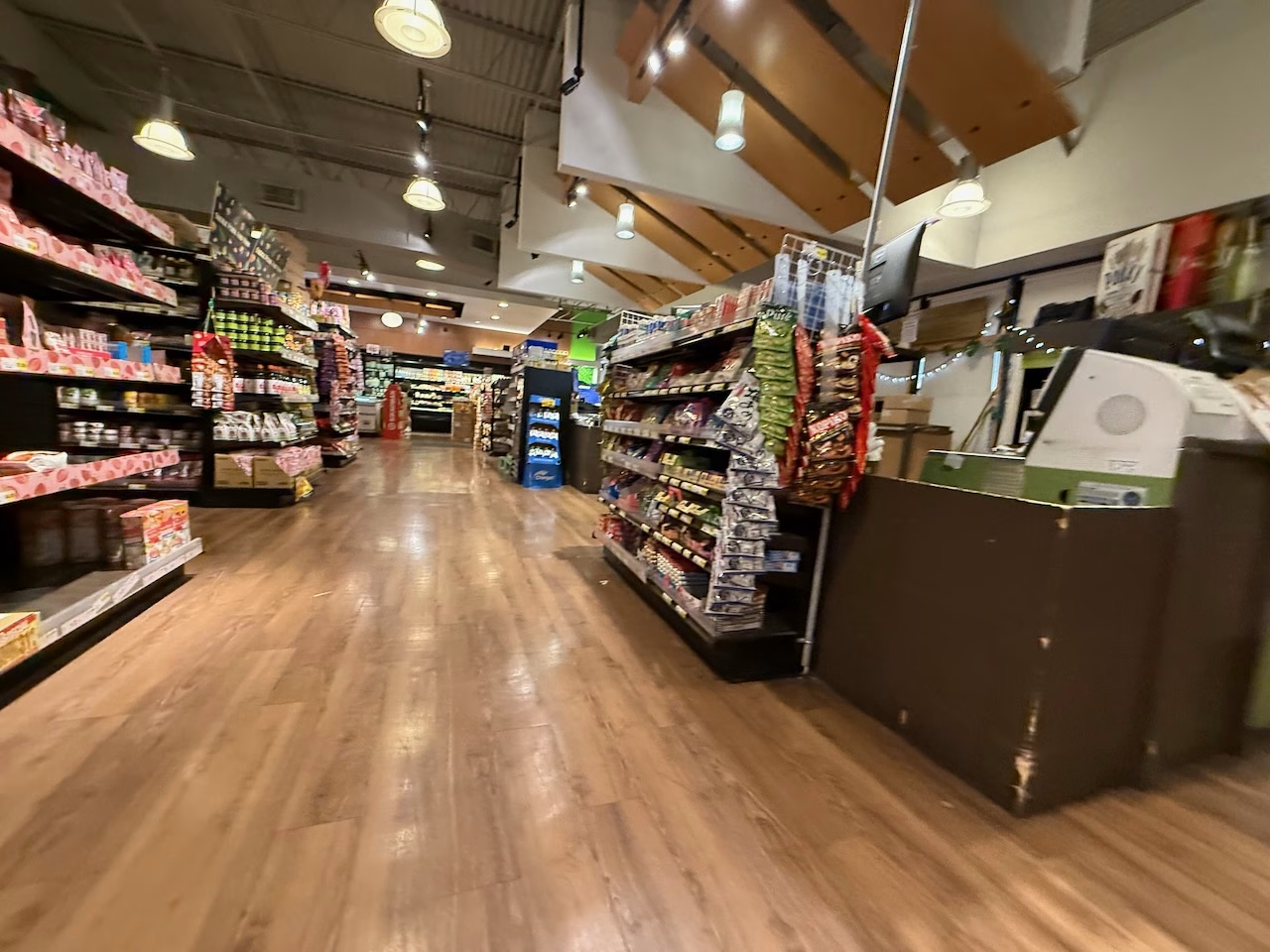
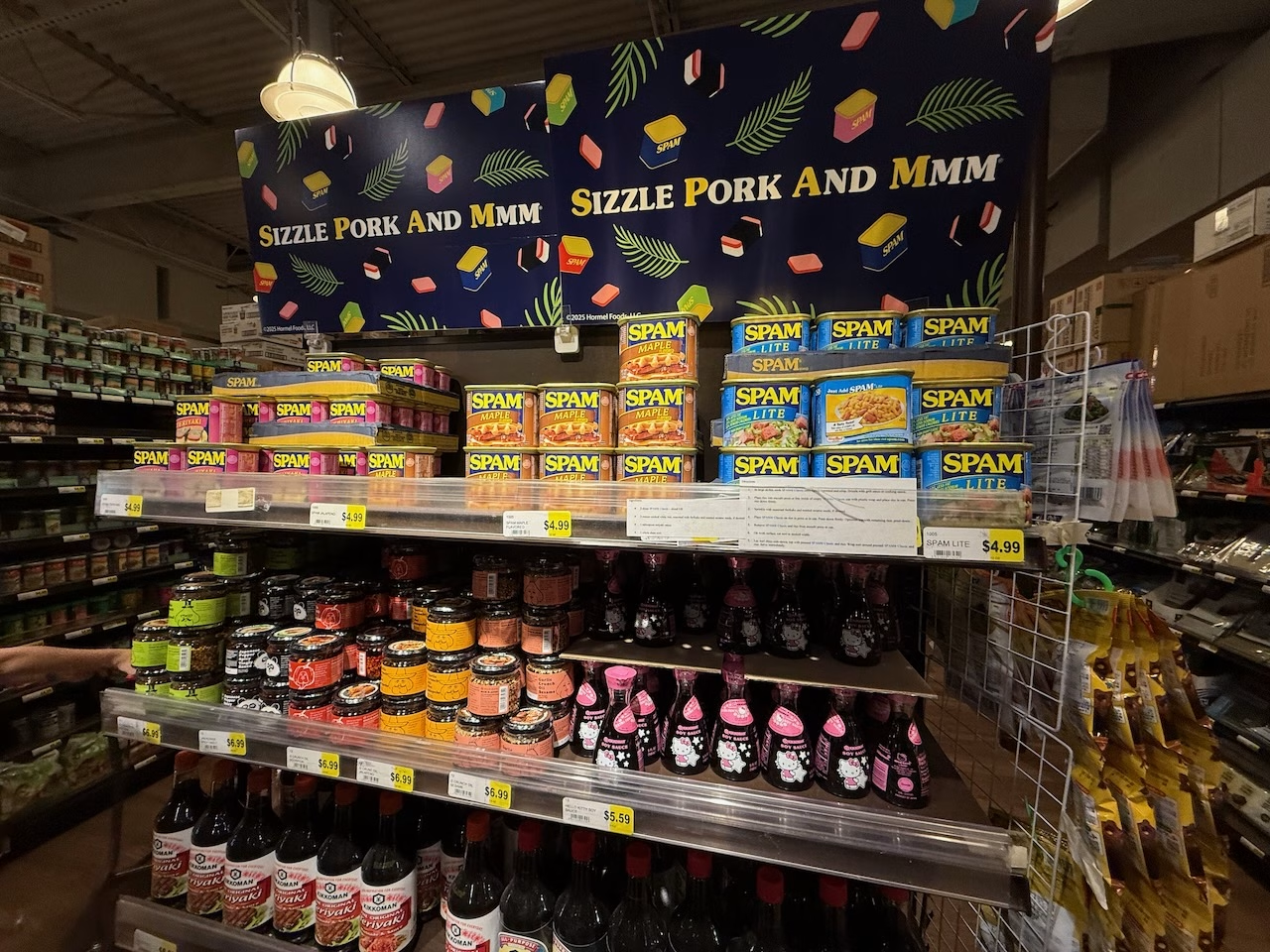
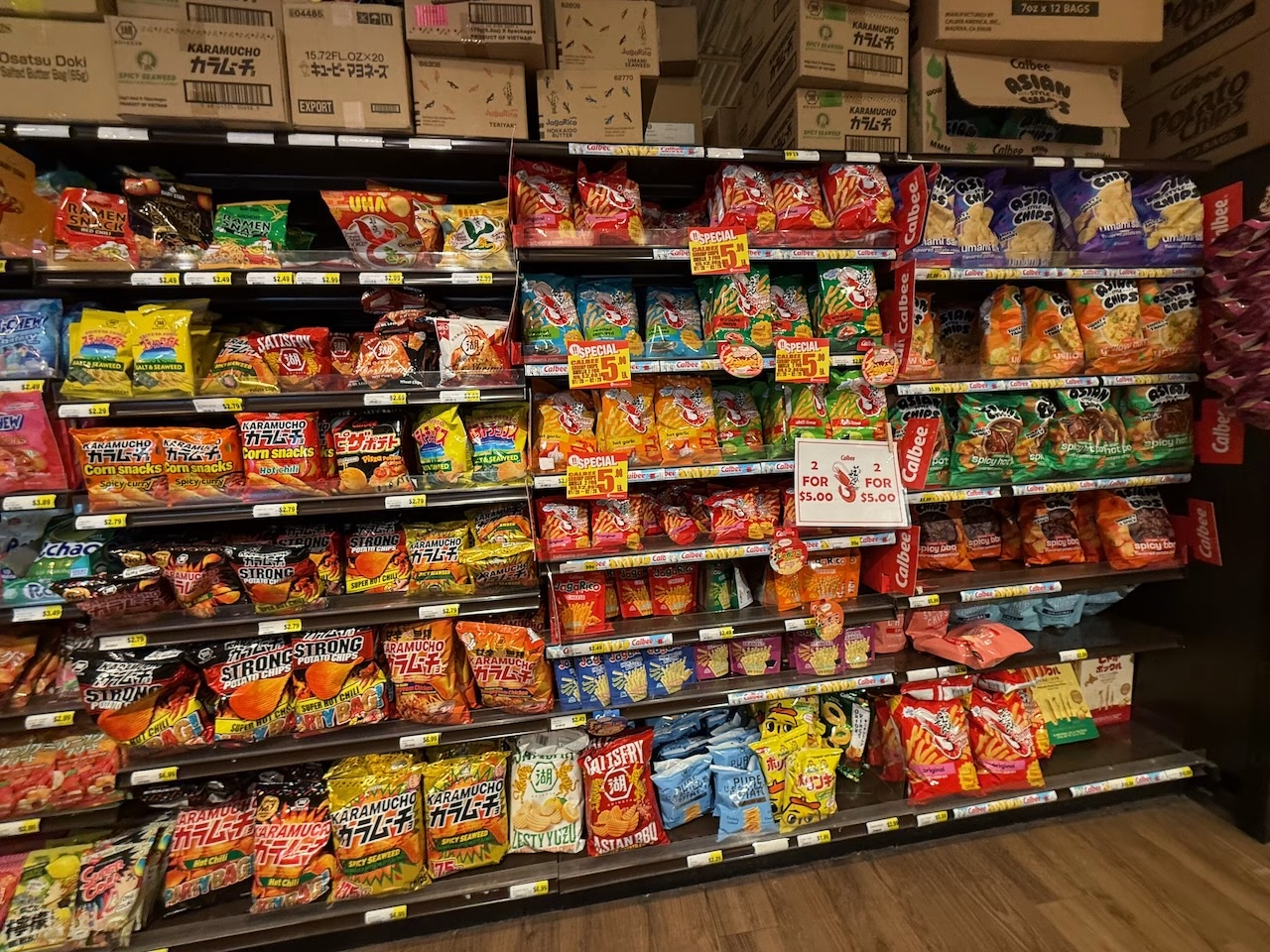
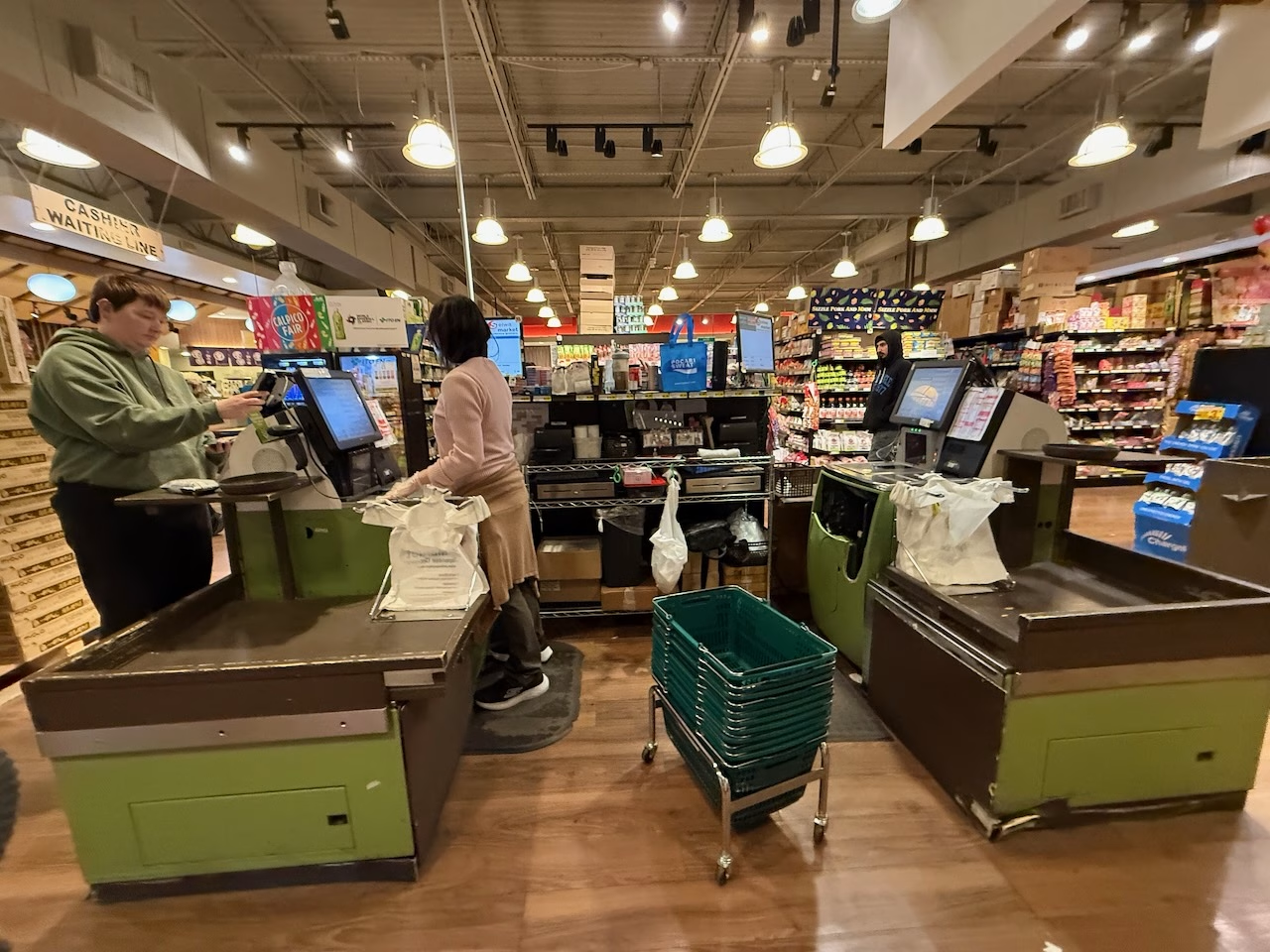
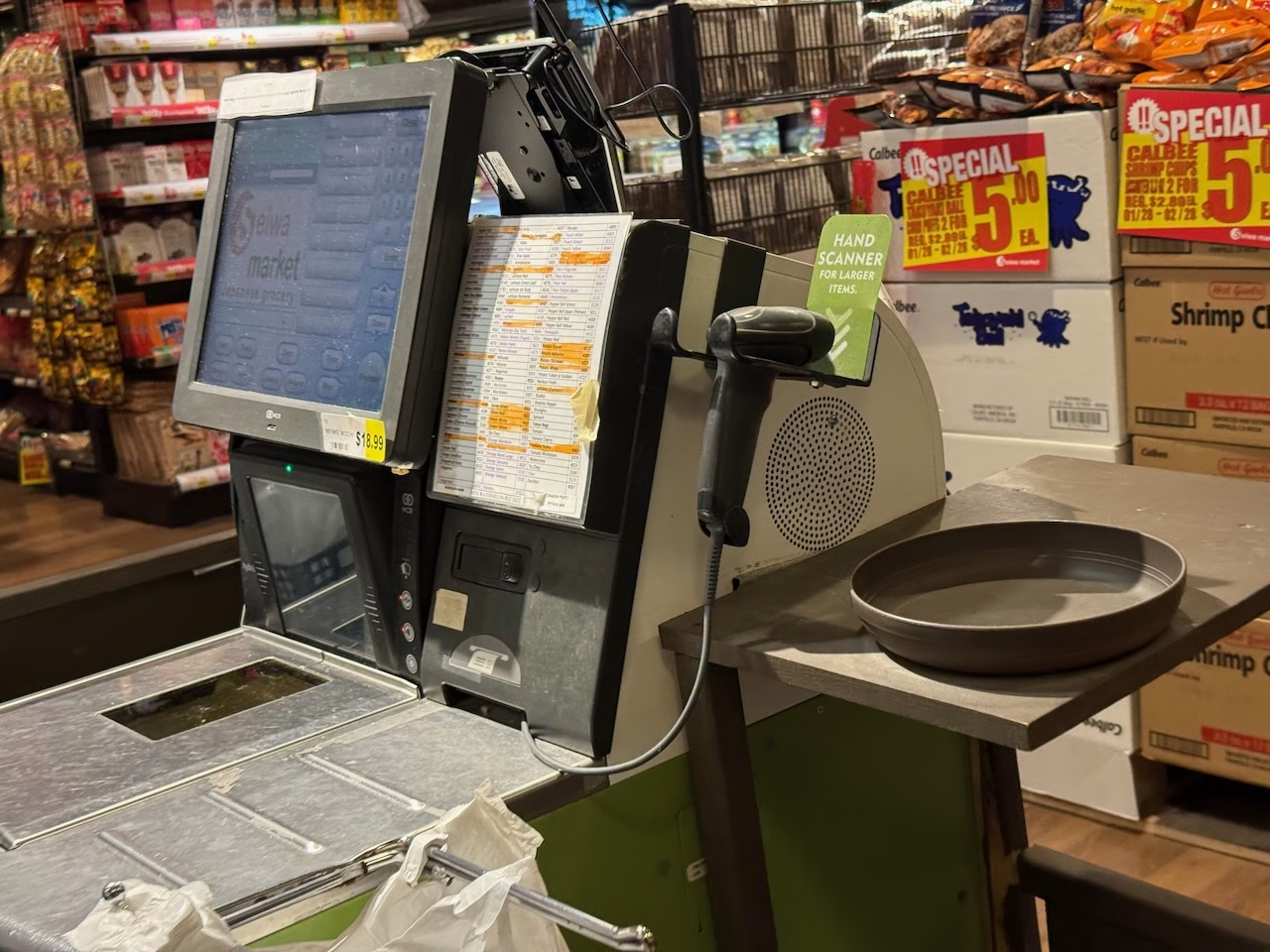
The Marukai Corporation also noticed the demand for Japanese products in Houston. This company operates retail outlets mostly on the West Coast, and also supplies other companies with imported Japanese groceries and home goods. In 2013, Marukai Corporation was sold to the massive Japanese retailer, Don Quijote. Co-founder of Marukai Corp, Hidejiro Matsu, retired from the company after its sale and decided to make a move into promising new markets. In 2015, Mr. Matsu announced his plans to bring a new Japanese grocery store to Houston, coming in at 11,000 sqft, which was double Nippan Daido, and was a welcome announcement for those into Japanese goods. The announcement stated that Houston would be the first store in what was soon to become a small chain of Japanese Supermarkets. Although the name wasn’t quite ready yet, the concept was there. This store would combine both bulk and individual selections, along with fresh food, under one roof. Unfortunately, as things go in Texas, Houston’s Seiwa Market got put on the back burner for a bit and opened about a year after the first location in Costa Mesa, CA. When Seiwa Market finally opened, it was essentially on its own in a newly refreshed shopping center. In the last ten years, that has all changed with Seiwa Market attracting other Japanese stores, including Texas’s first BookOff. However, Seiwa Market’s opening wasn’t all smiles: in 2019, Nippan Daido briefly closed for good before being rescued by former employees. Since Seiwa’s opening, other Japanese stores have opened in the area, including a massive Teso Life home store about halfway between Seiwa and Daido.