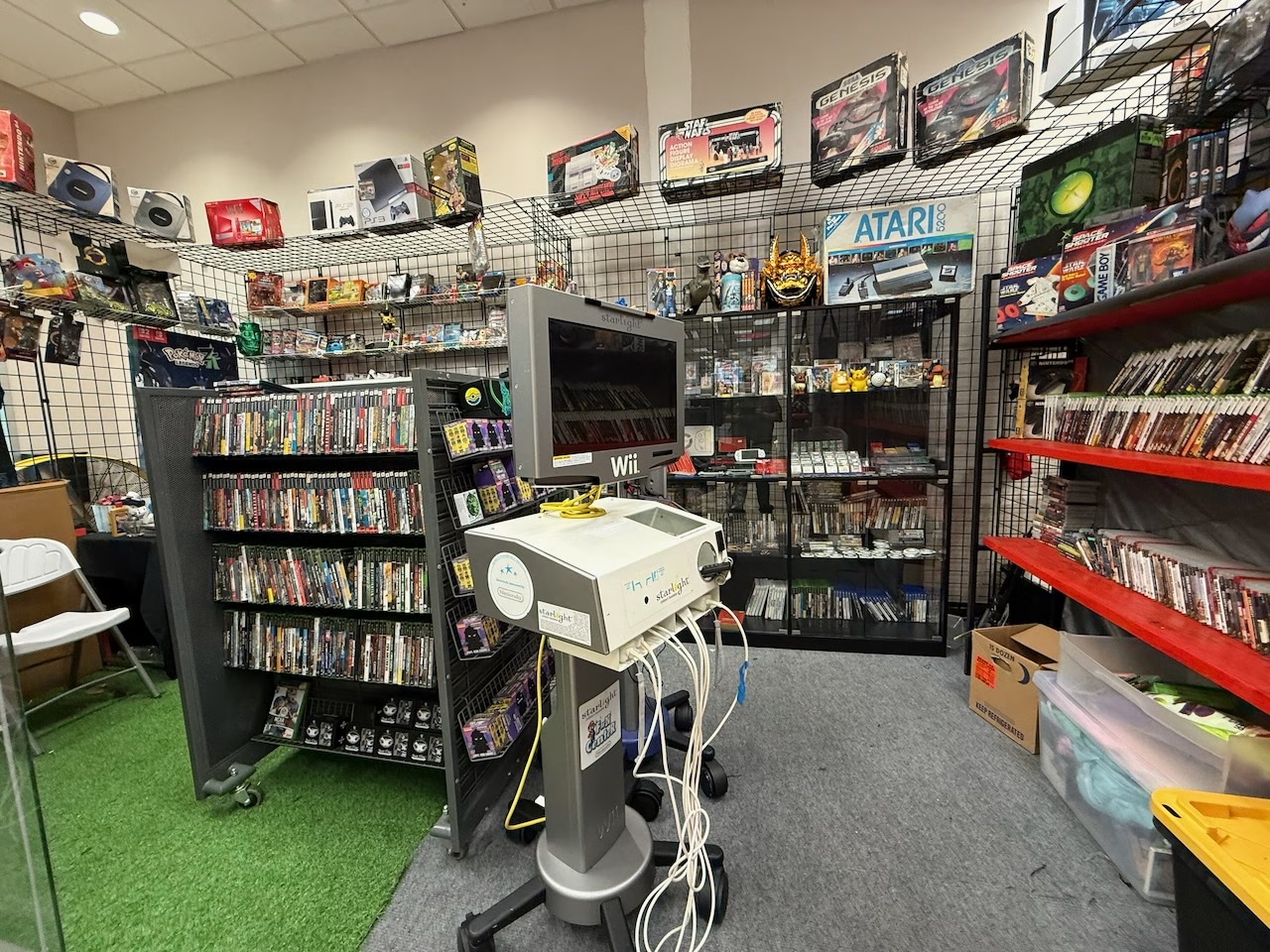
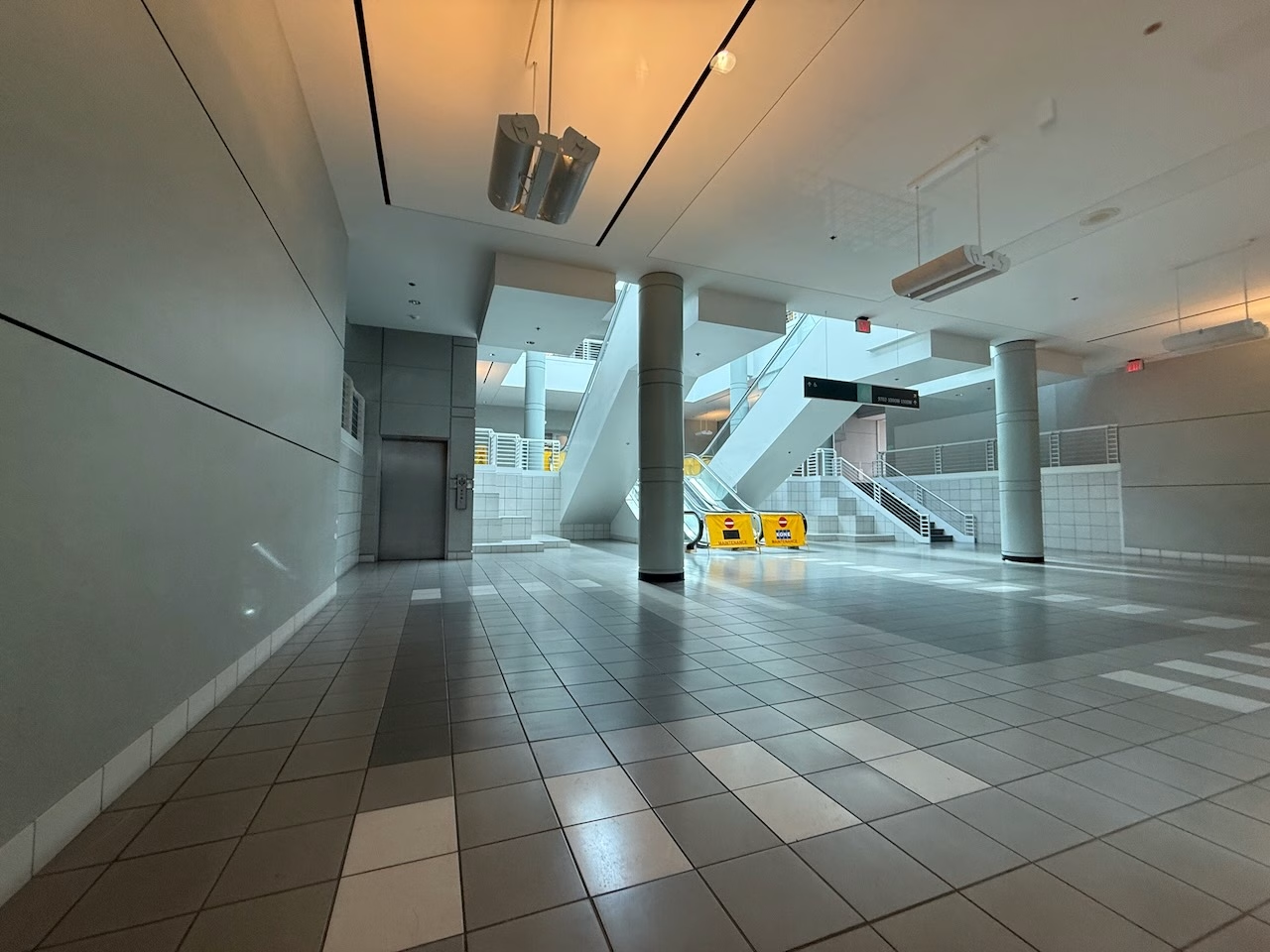
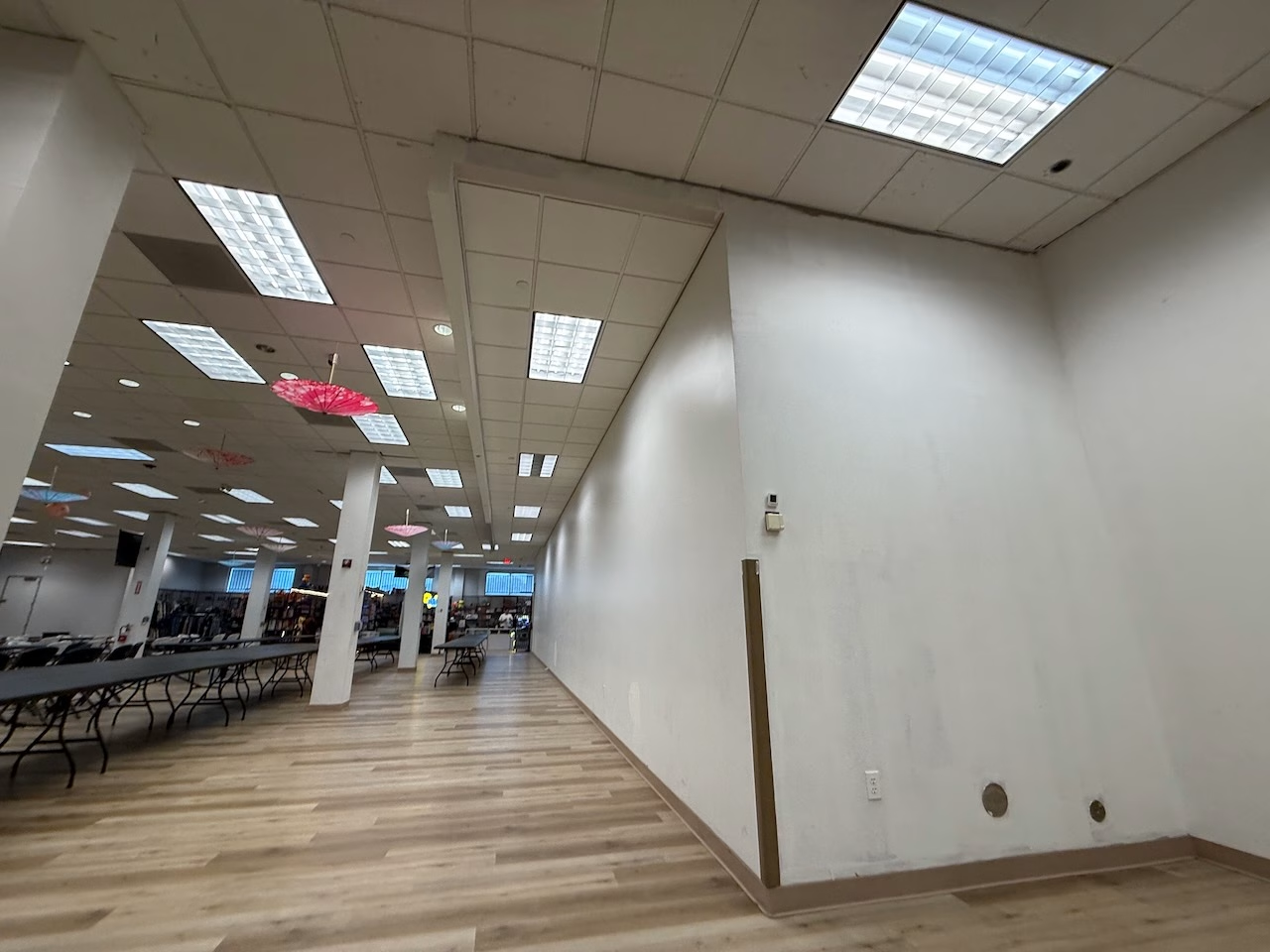
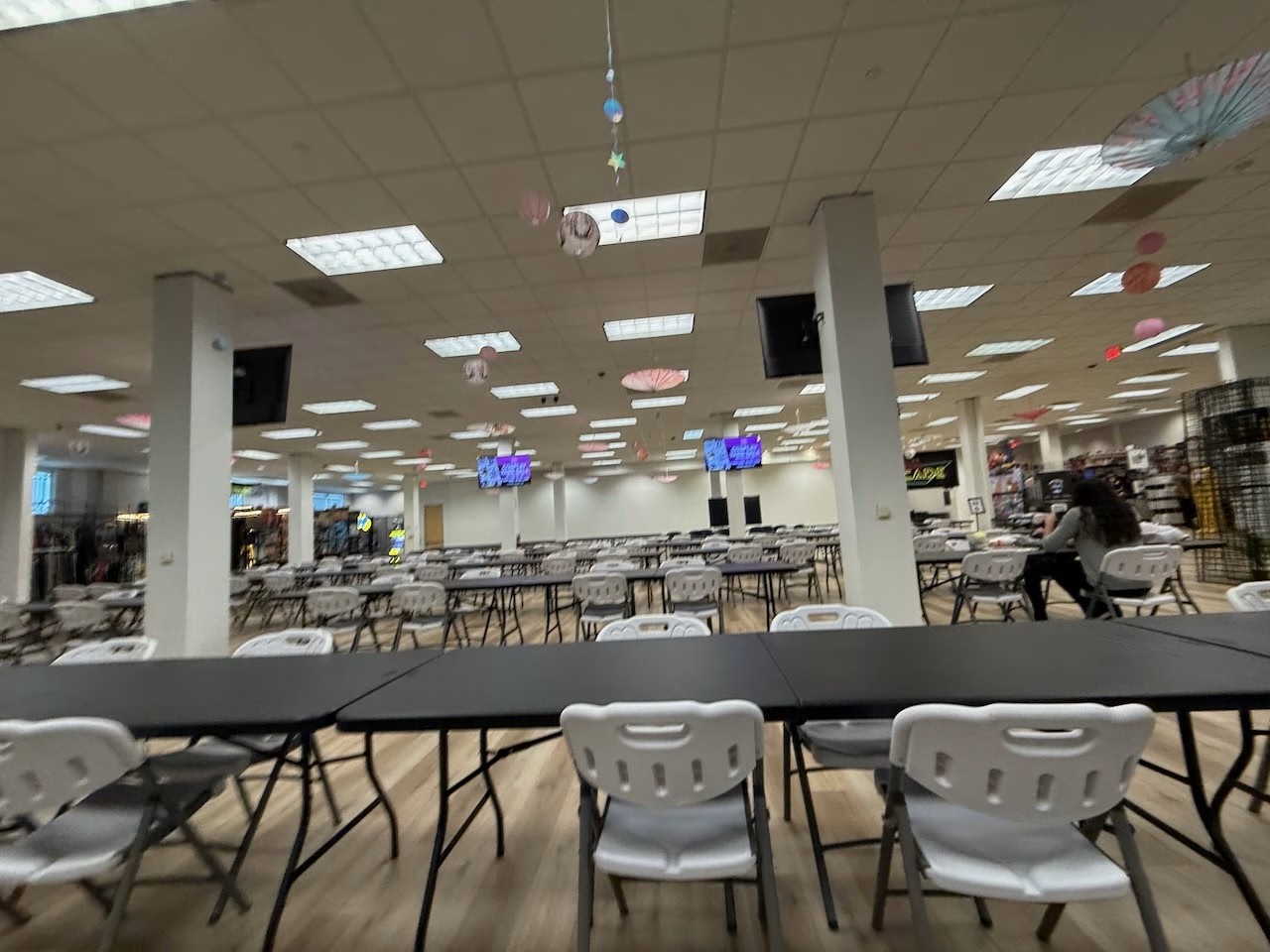
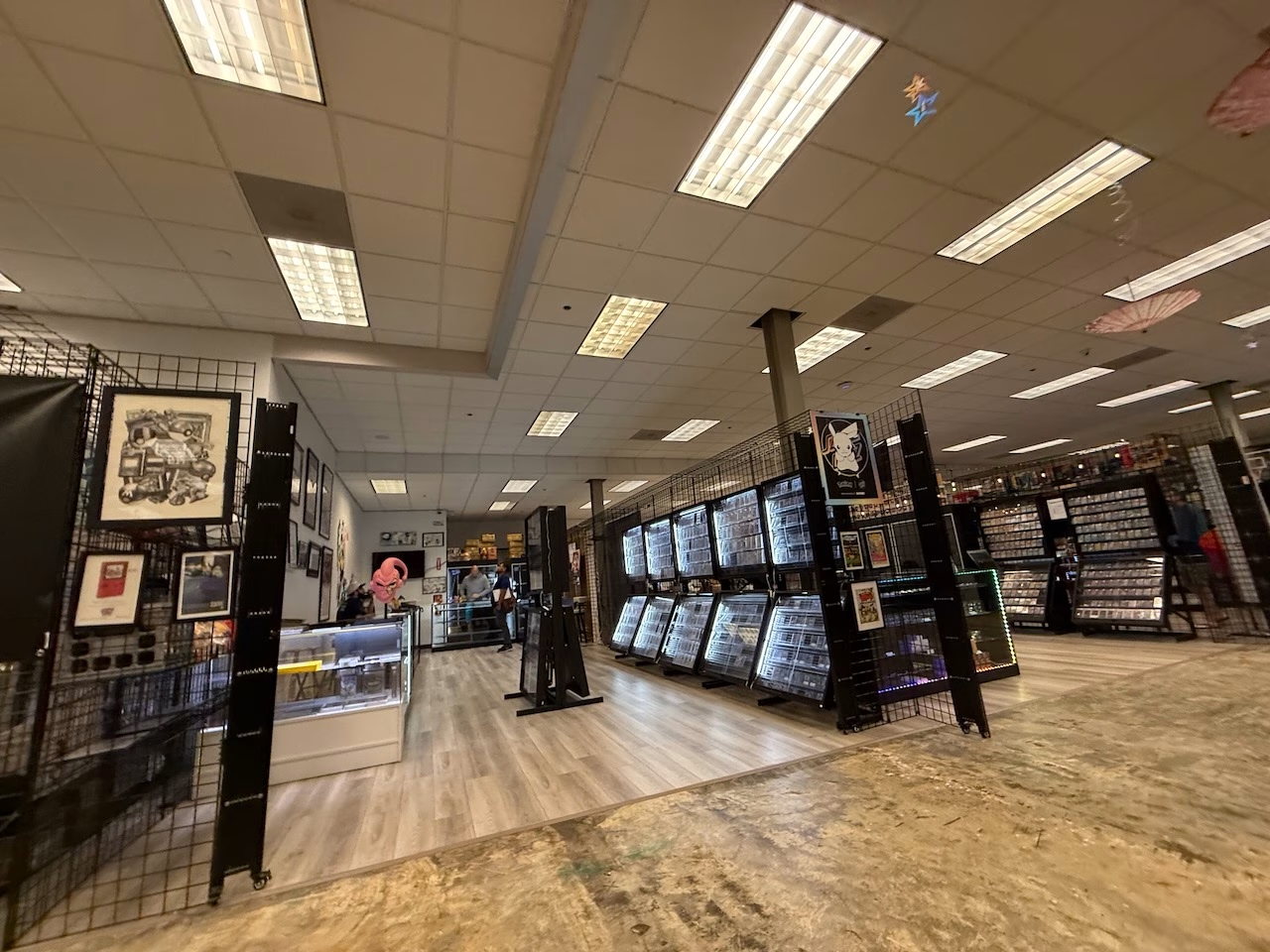
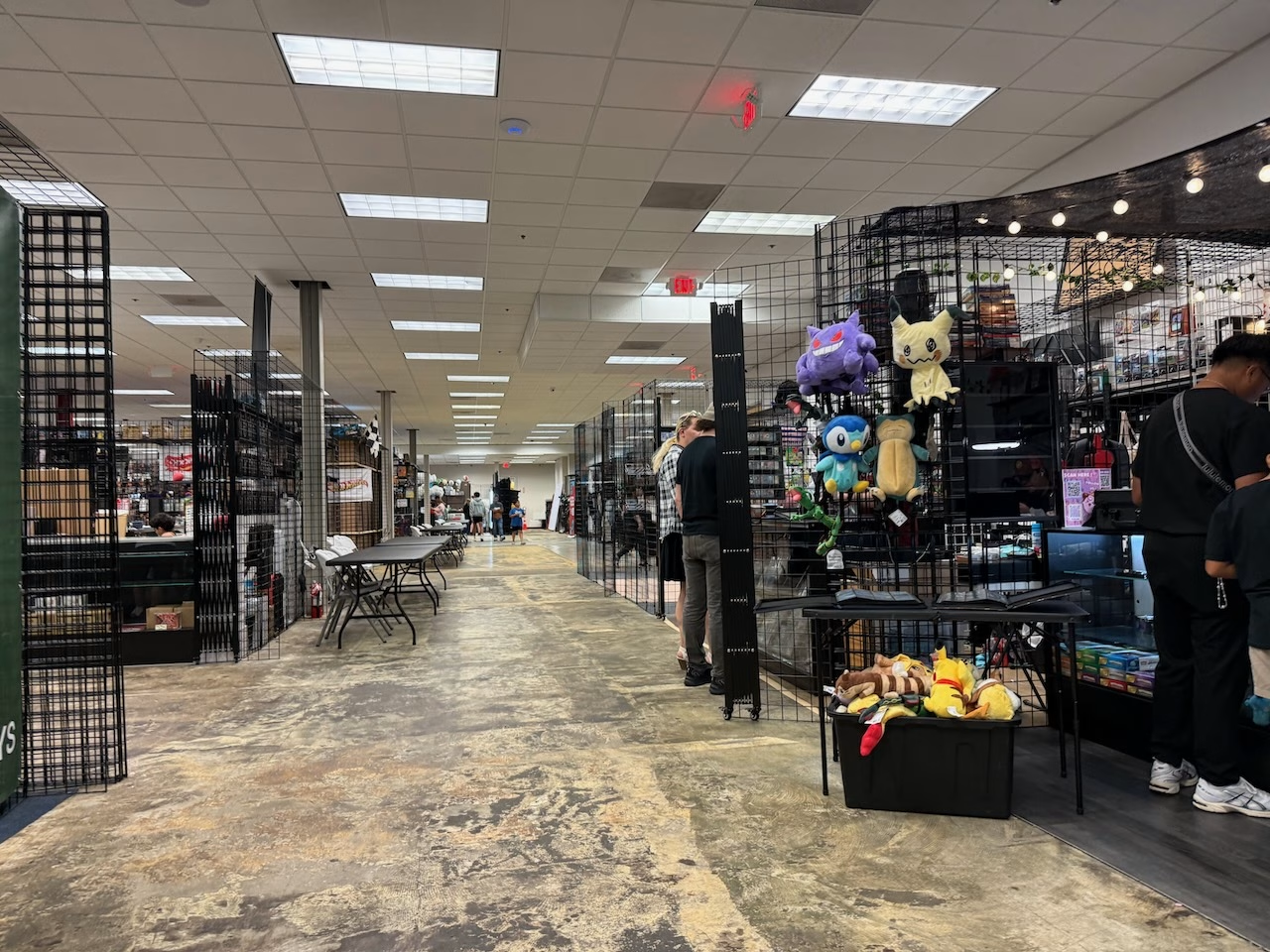
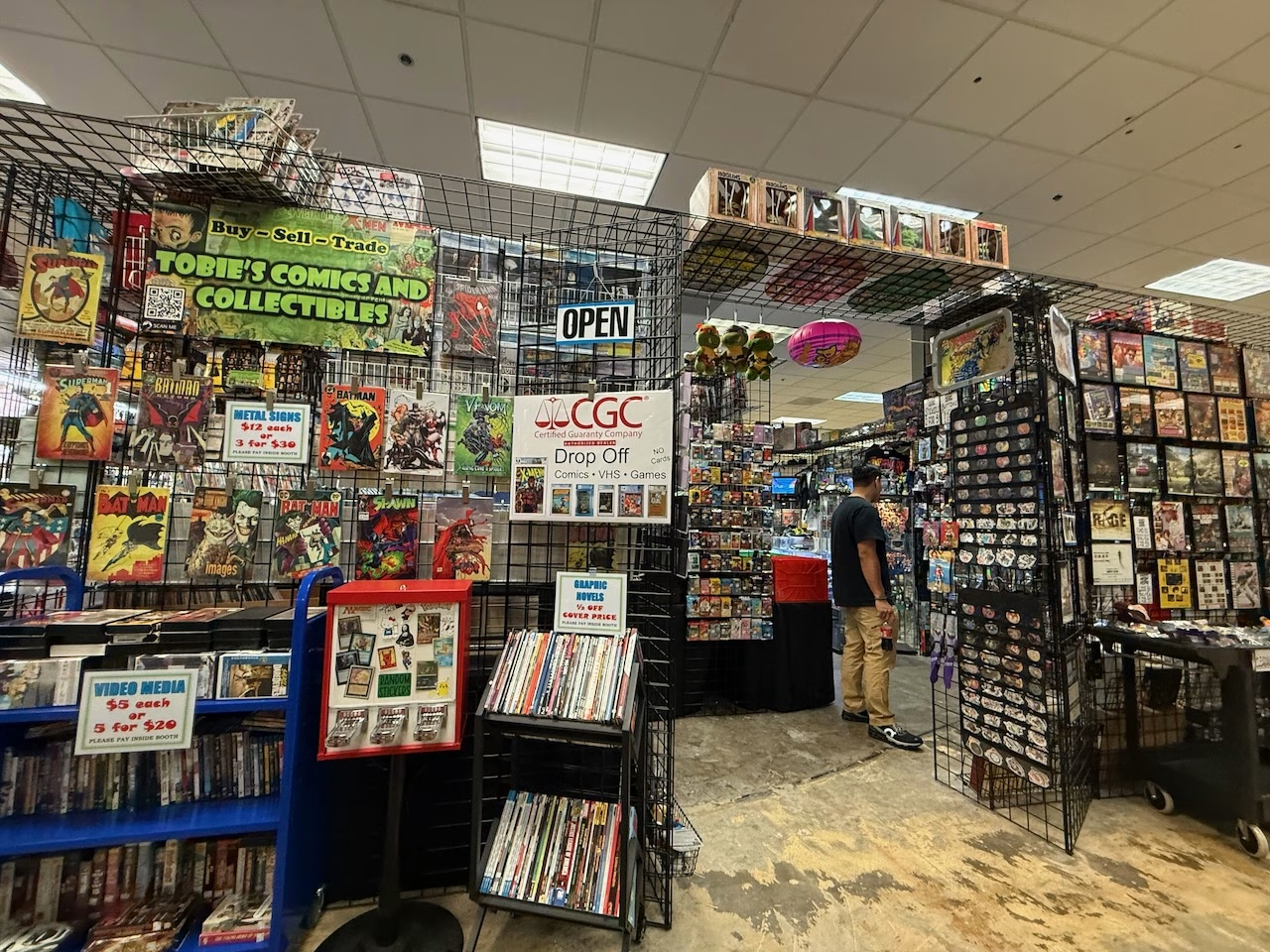
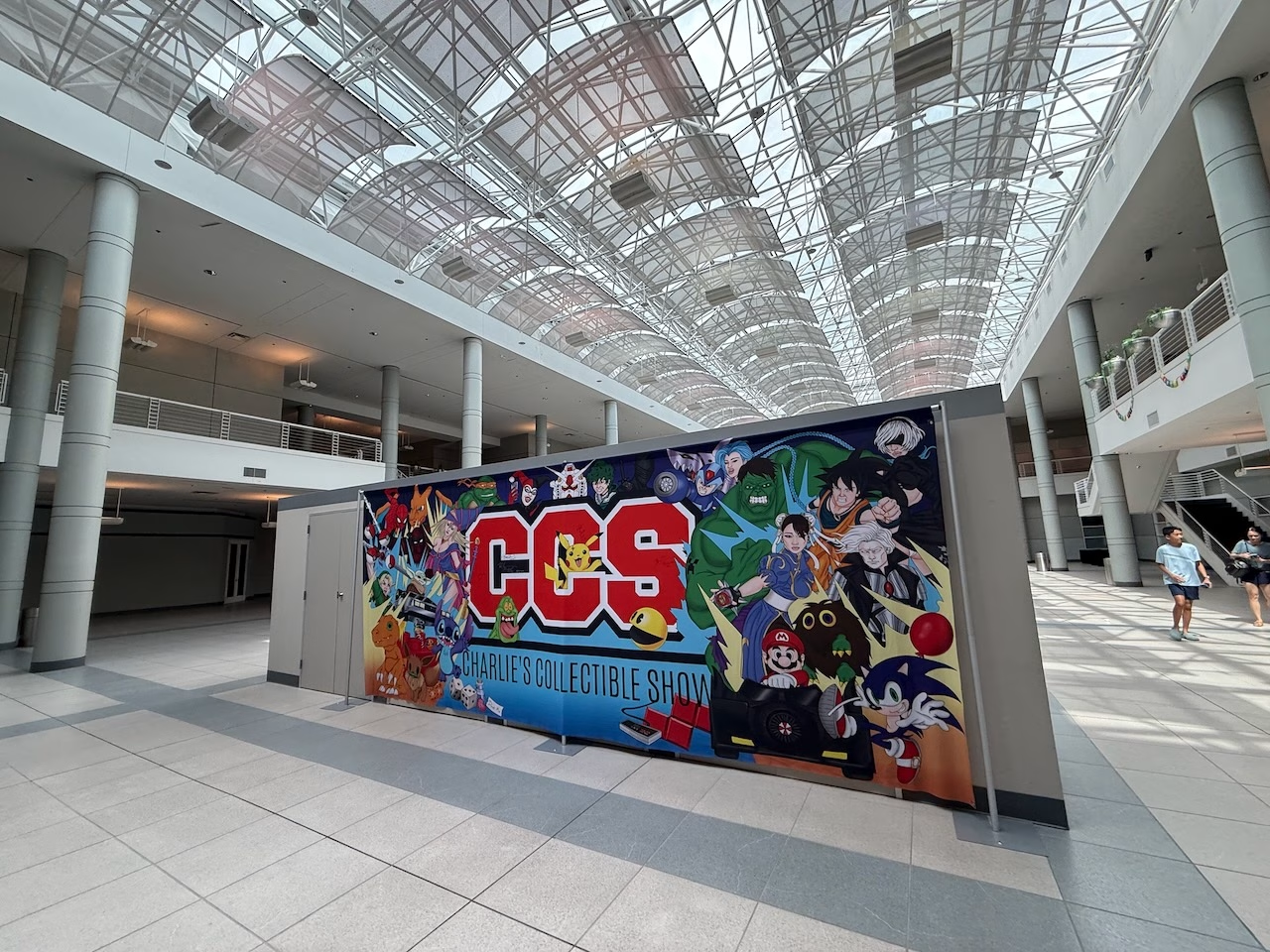
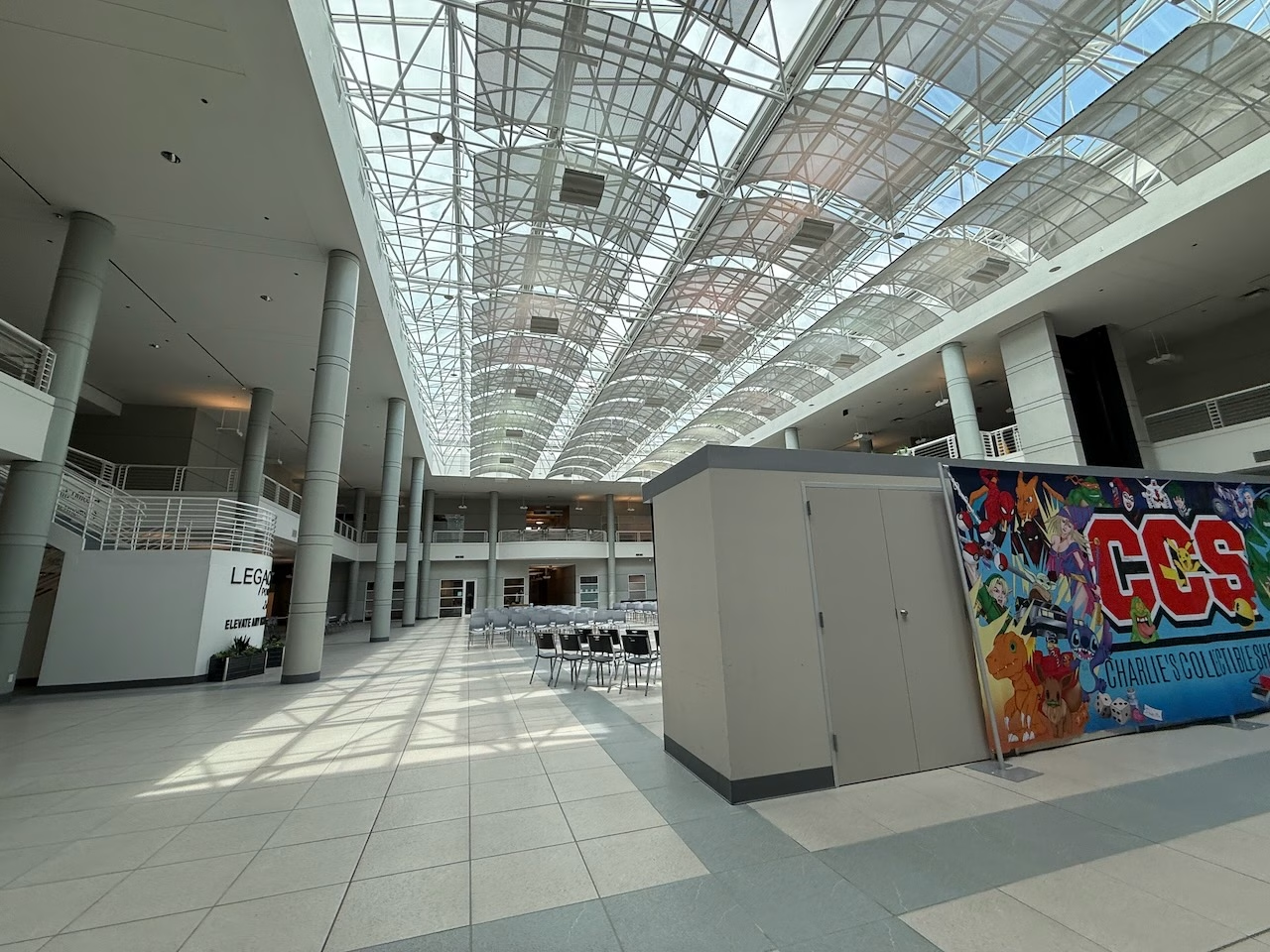
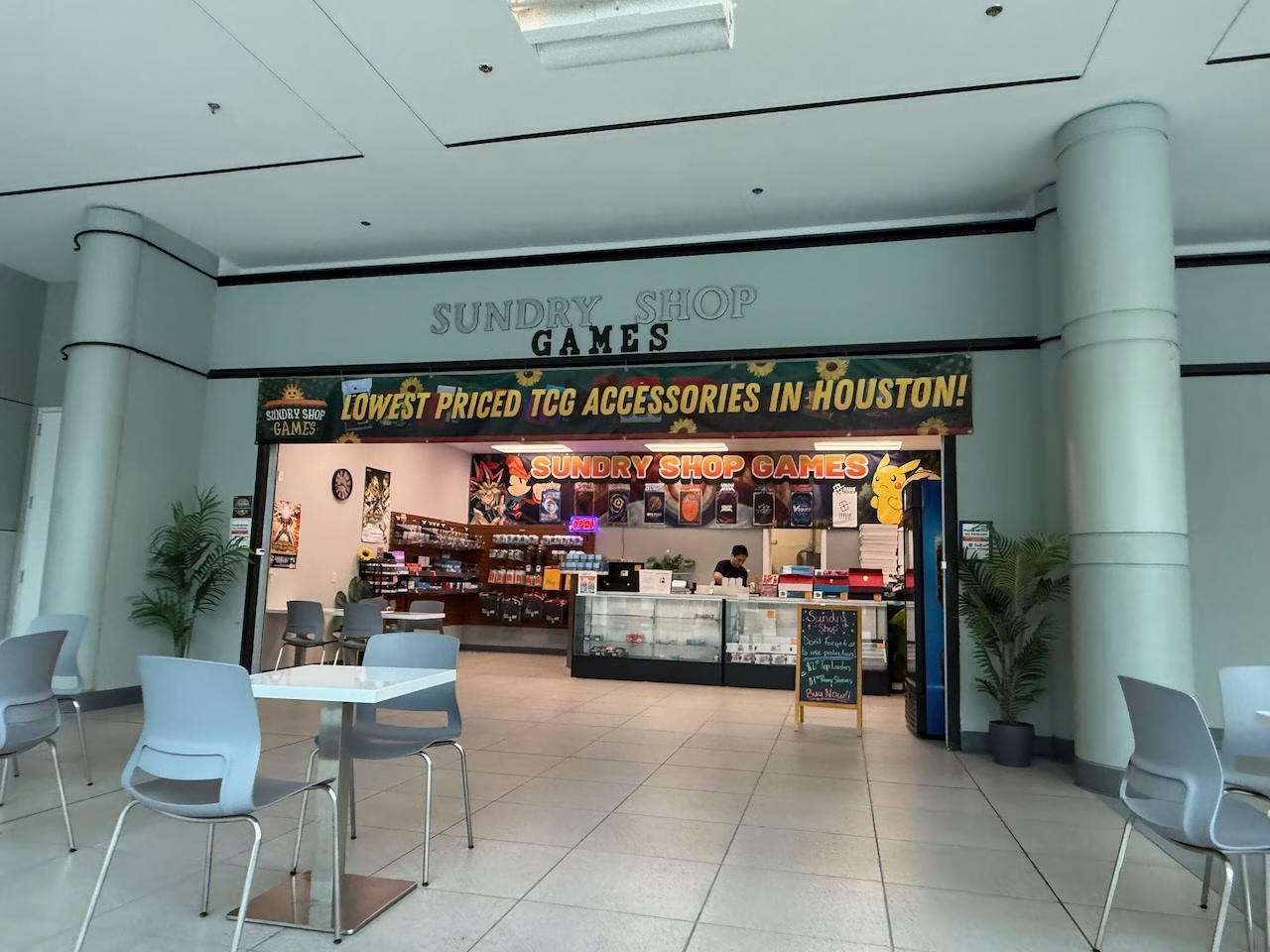
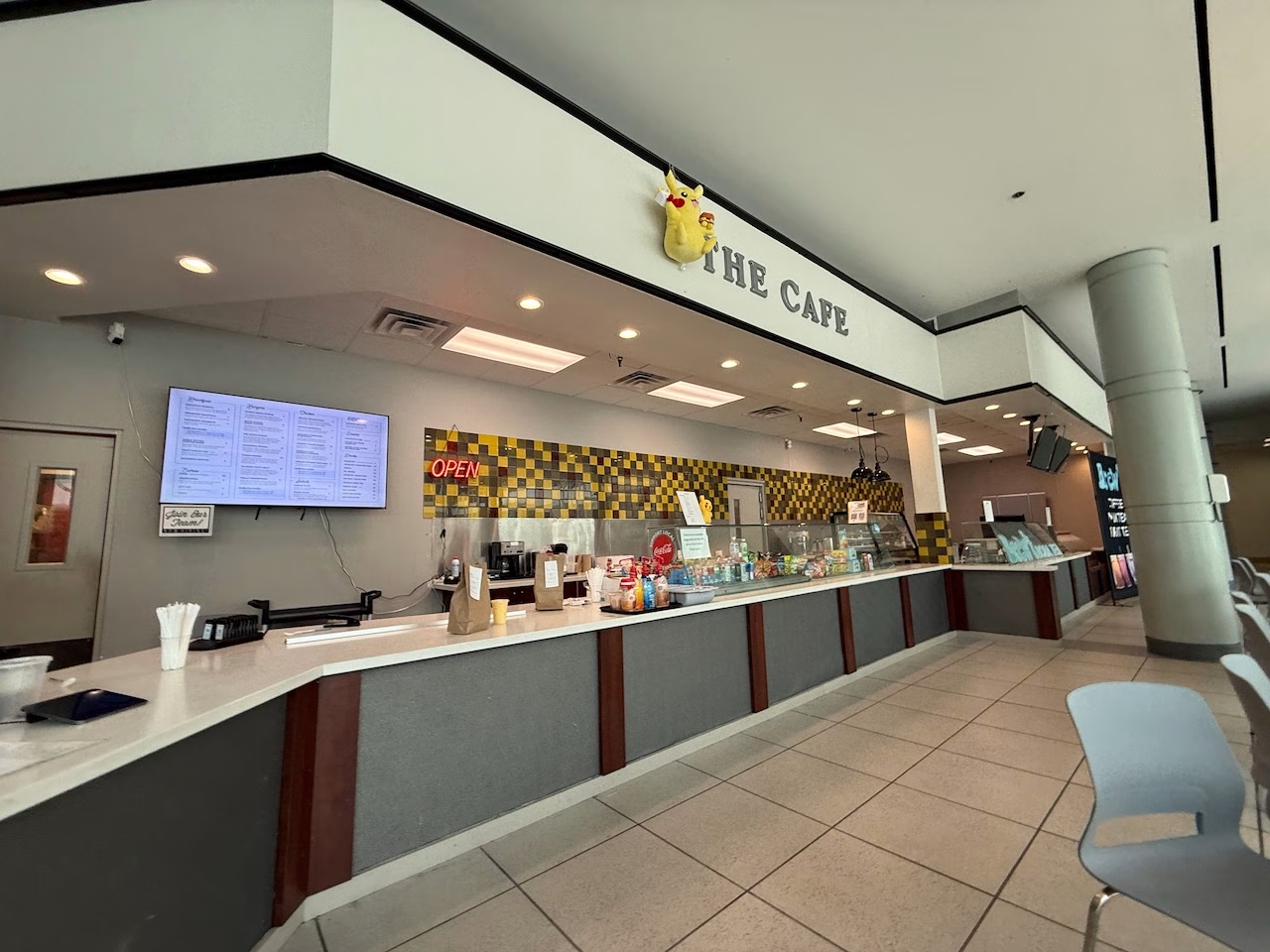
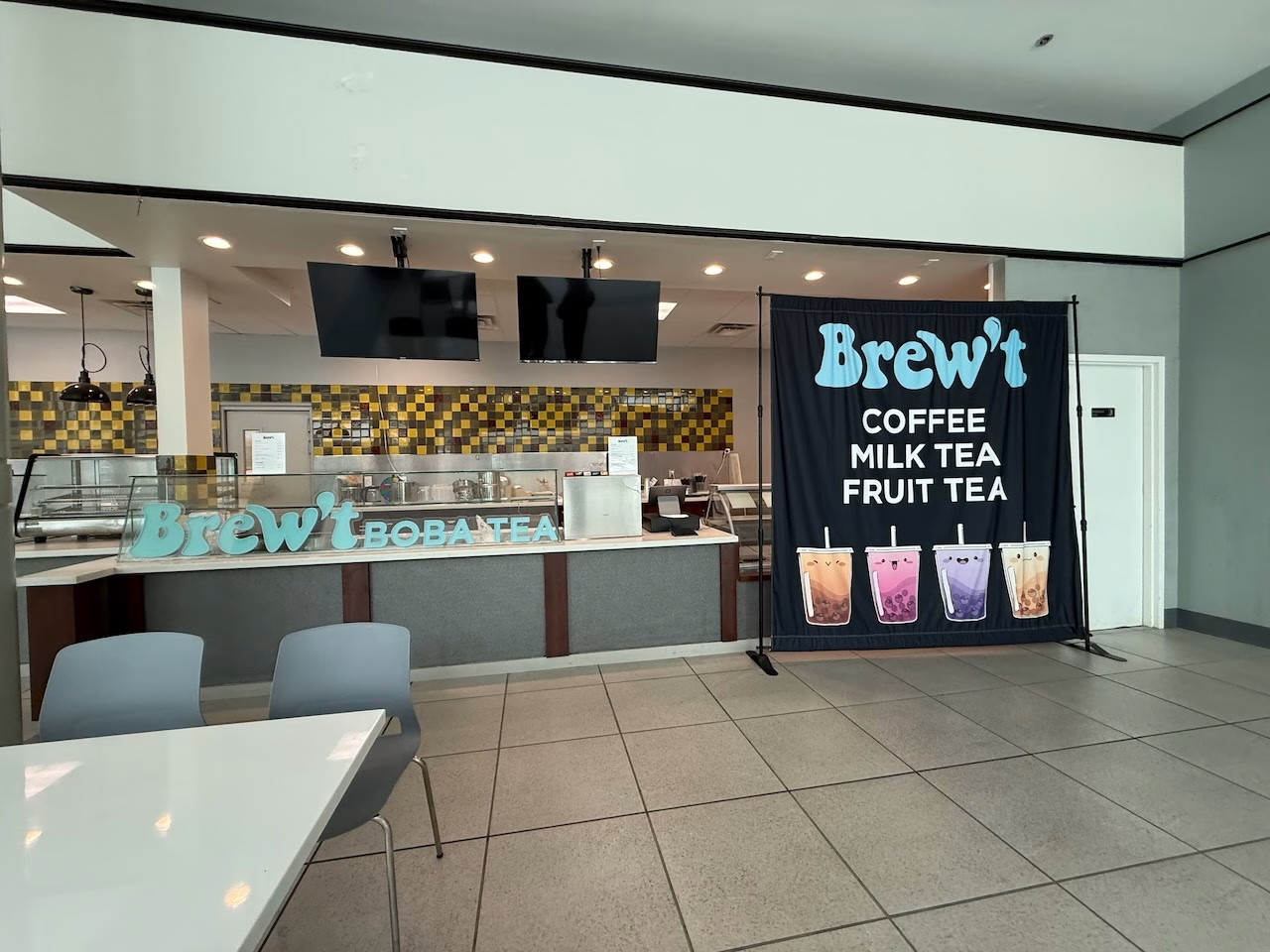
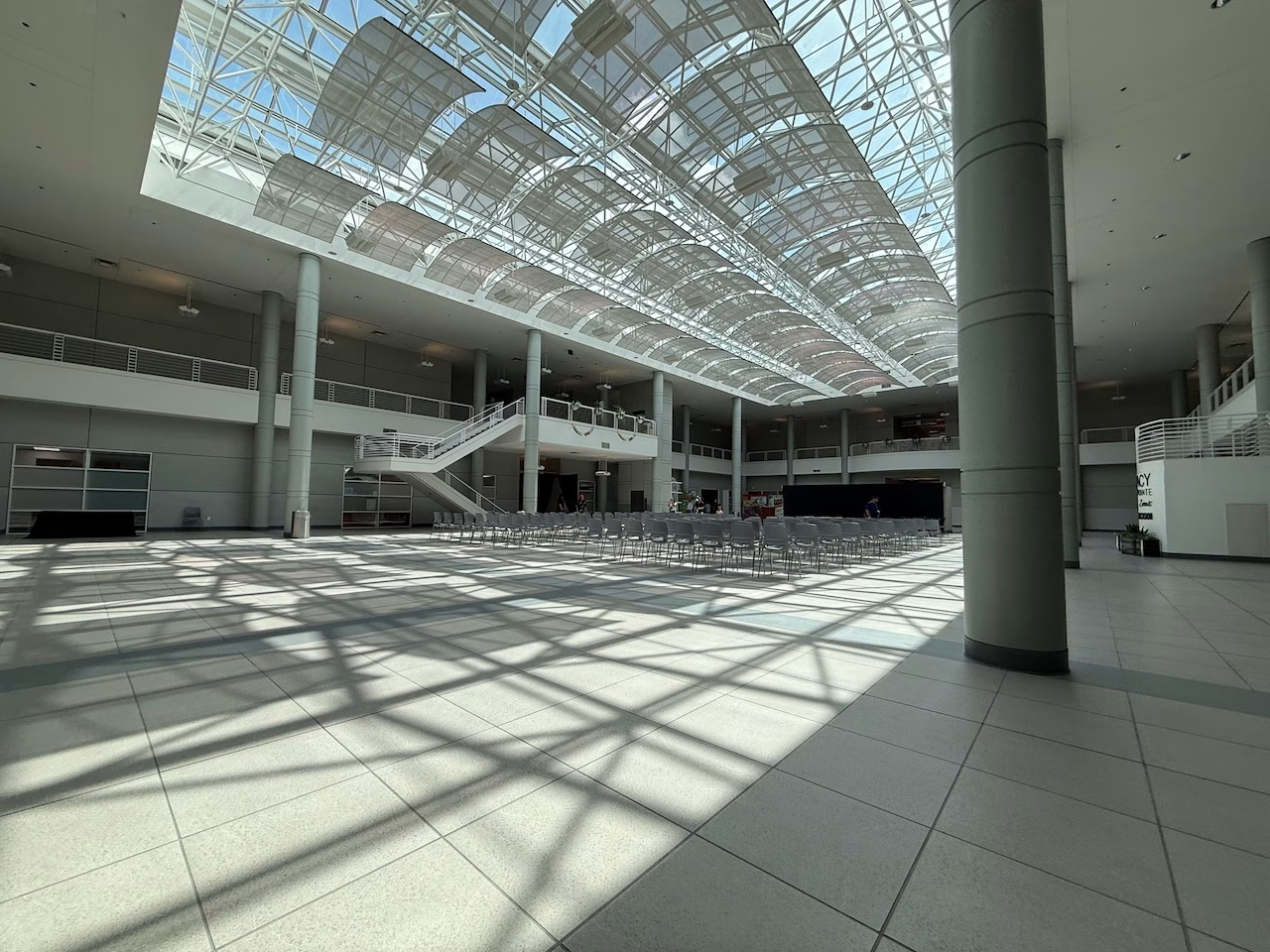
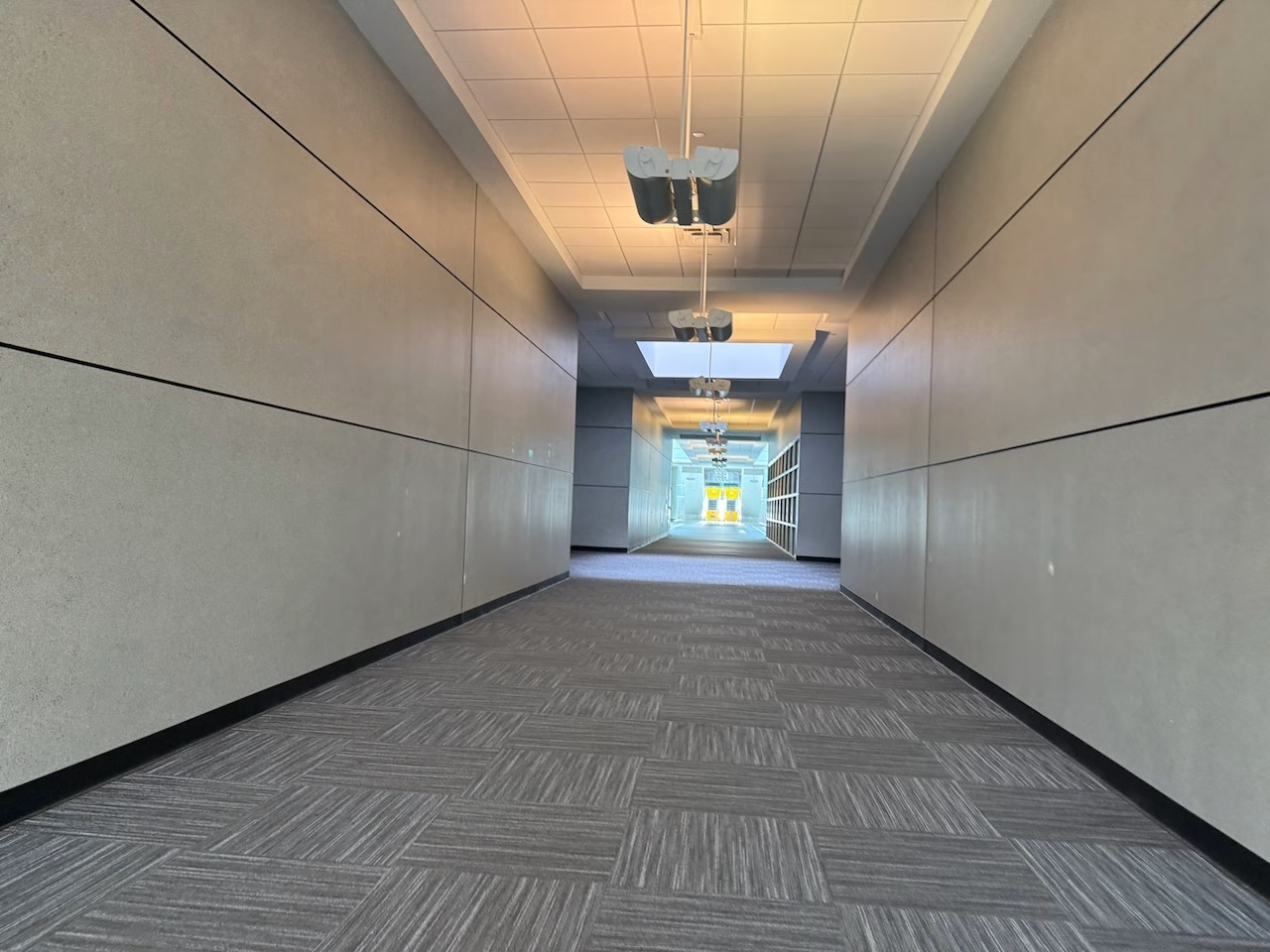
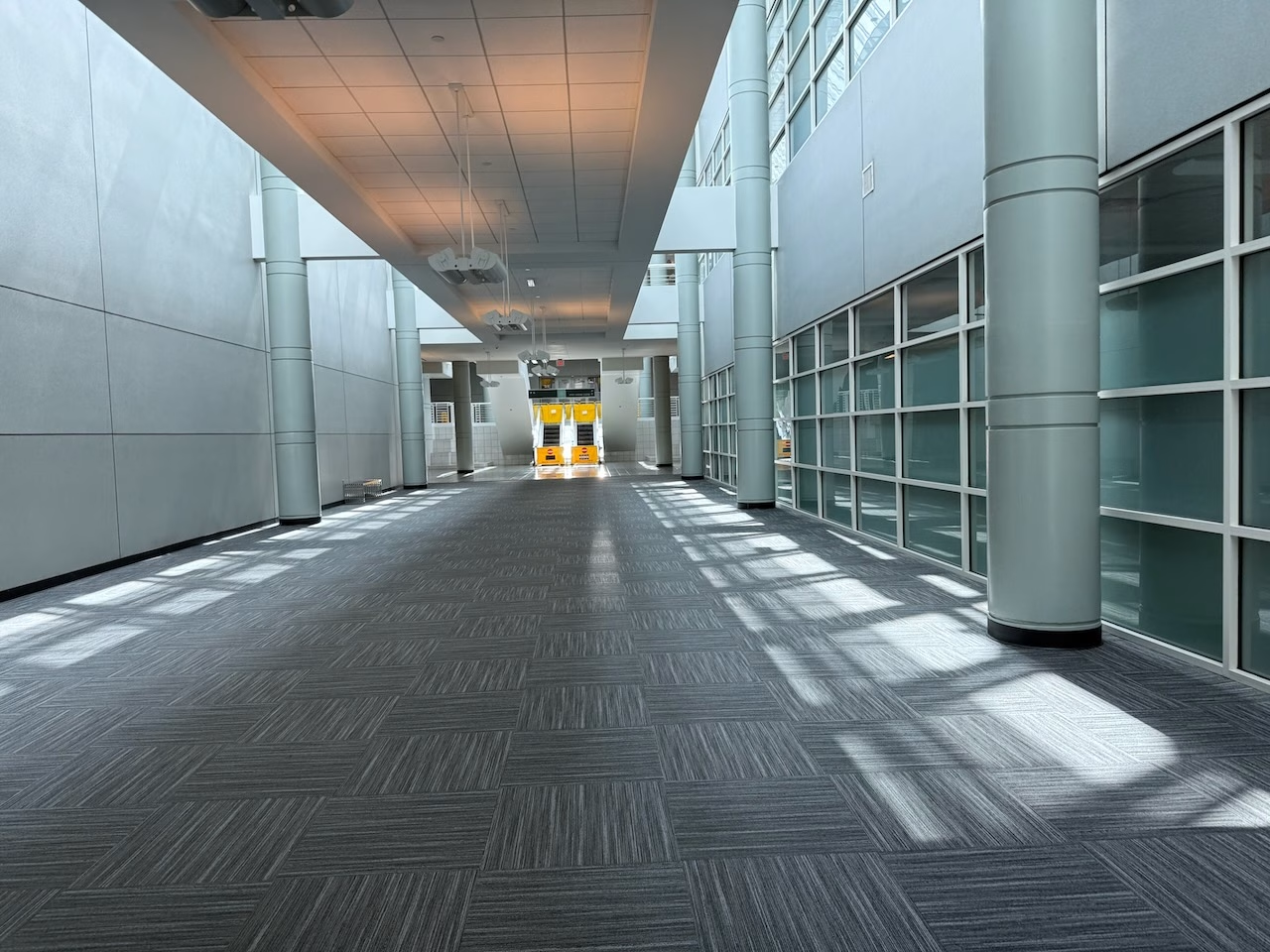
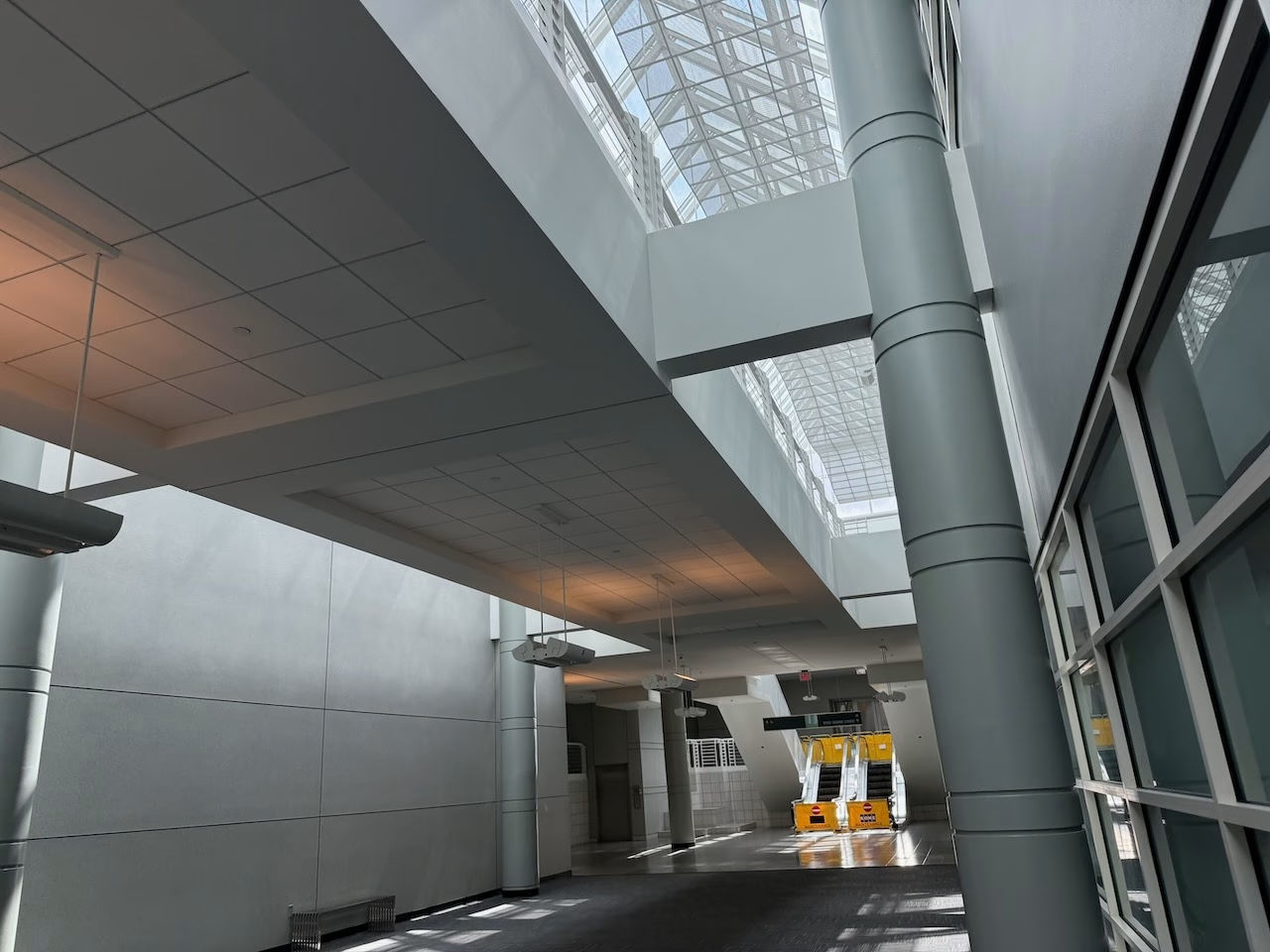
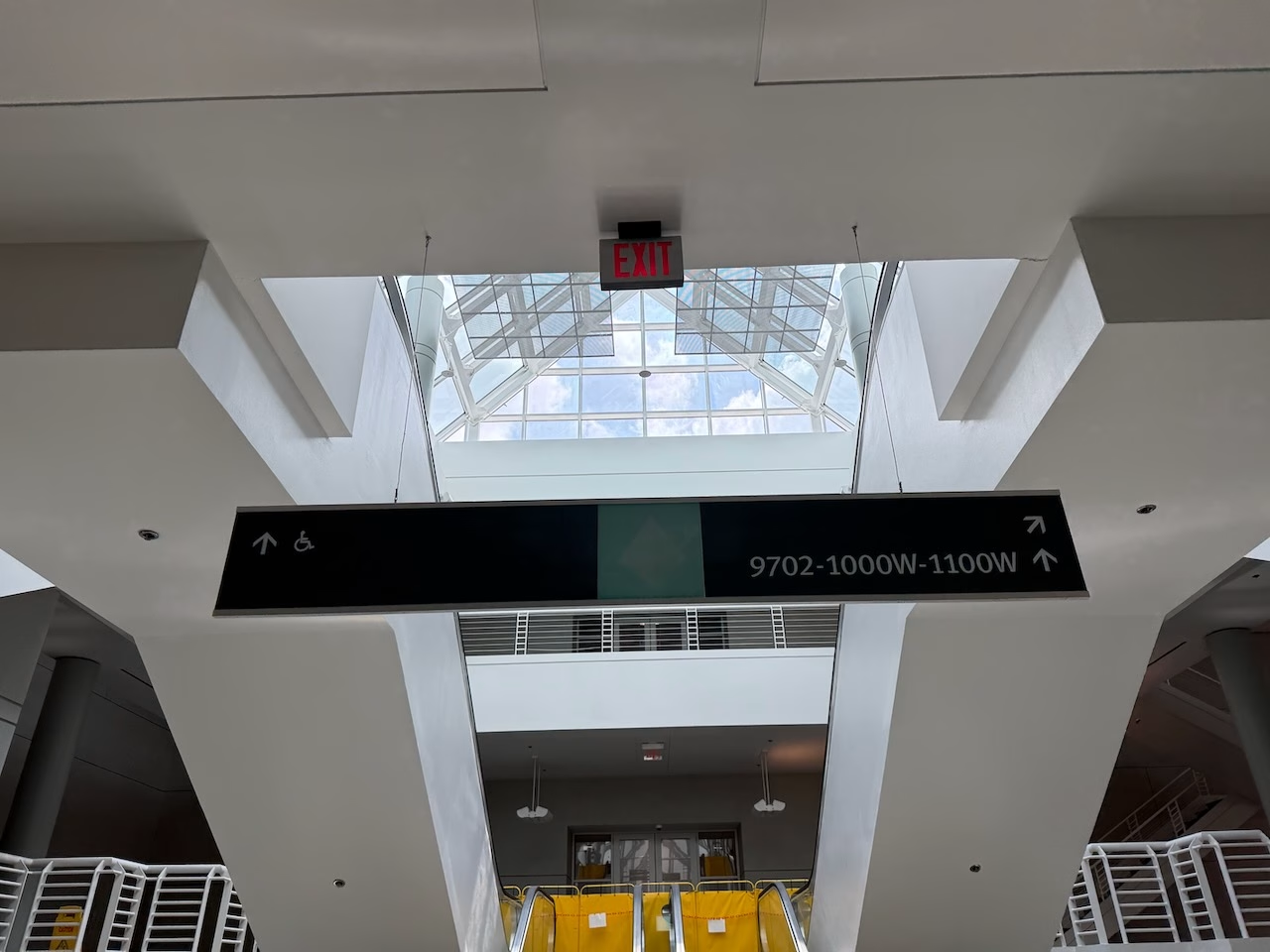
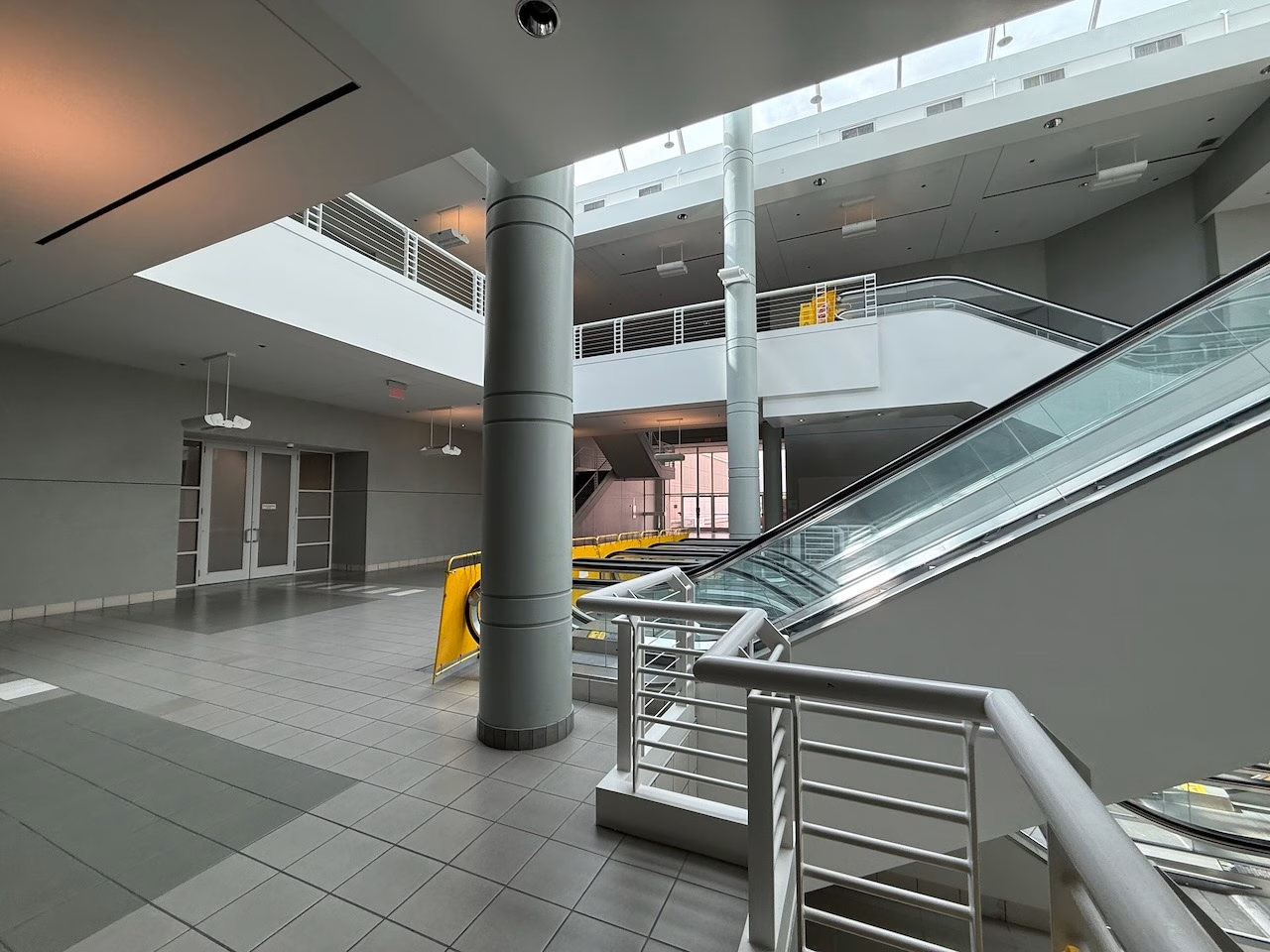
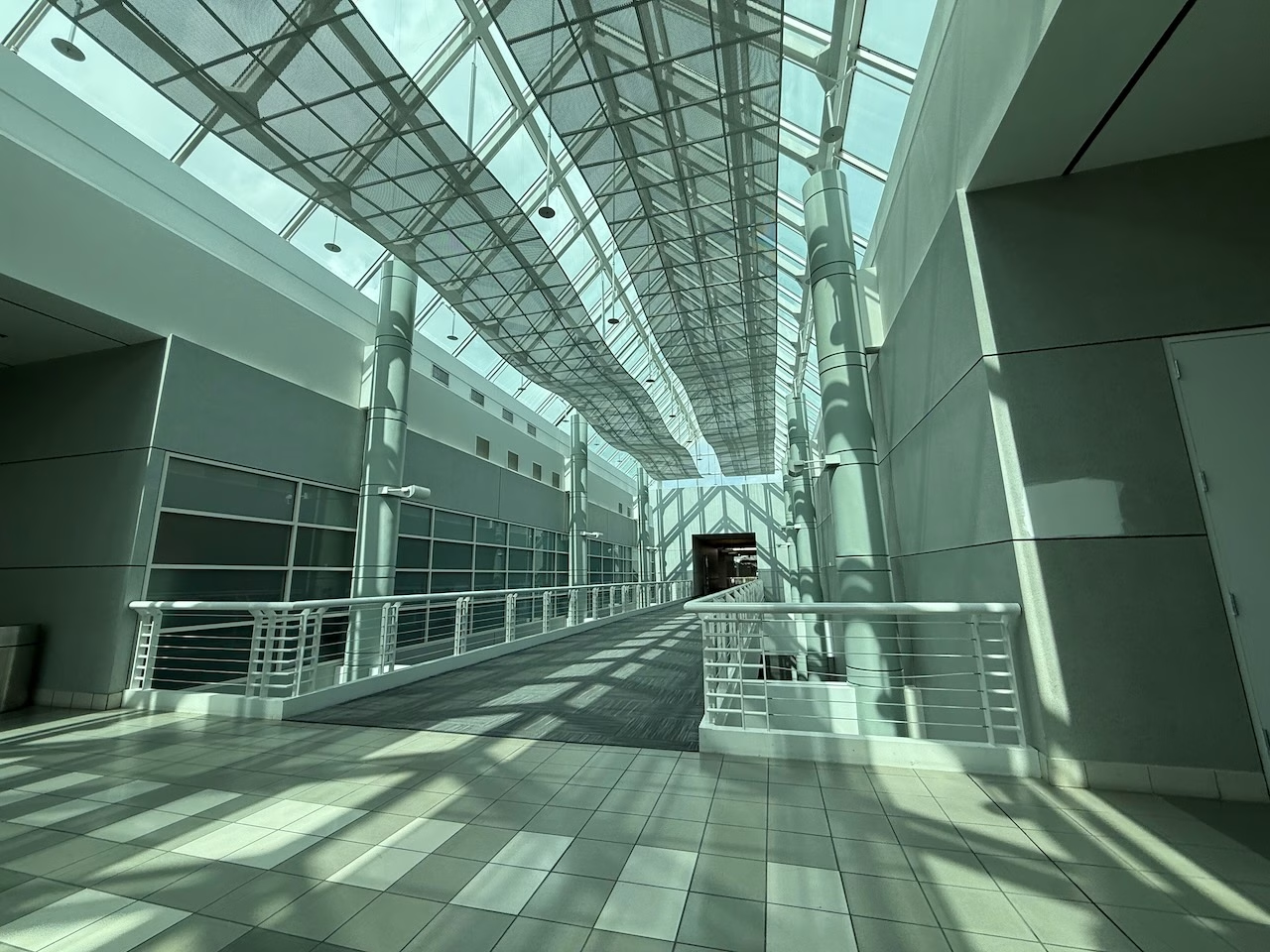
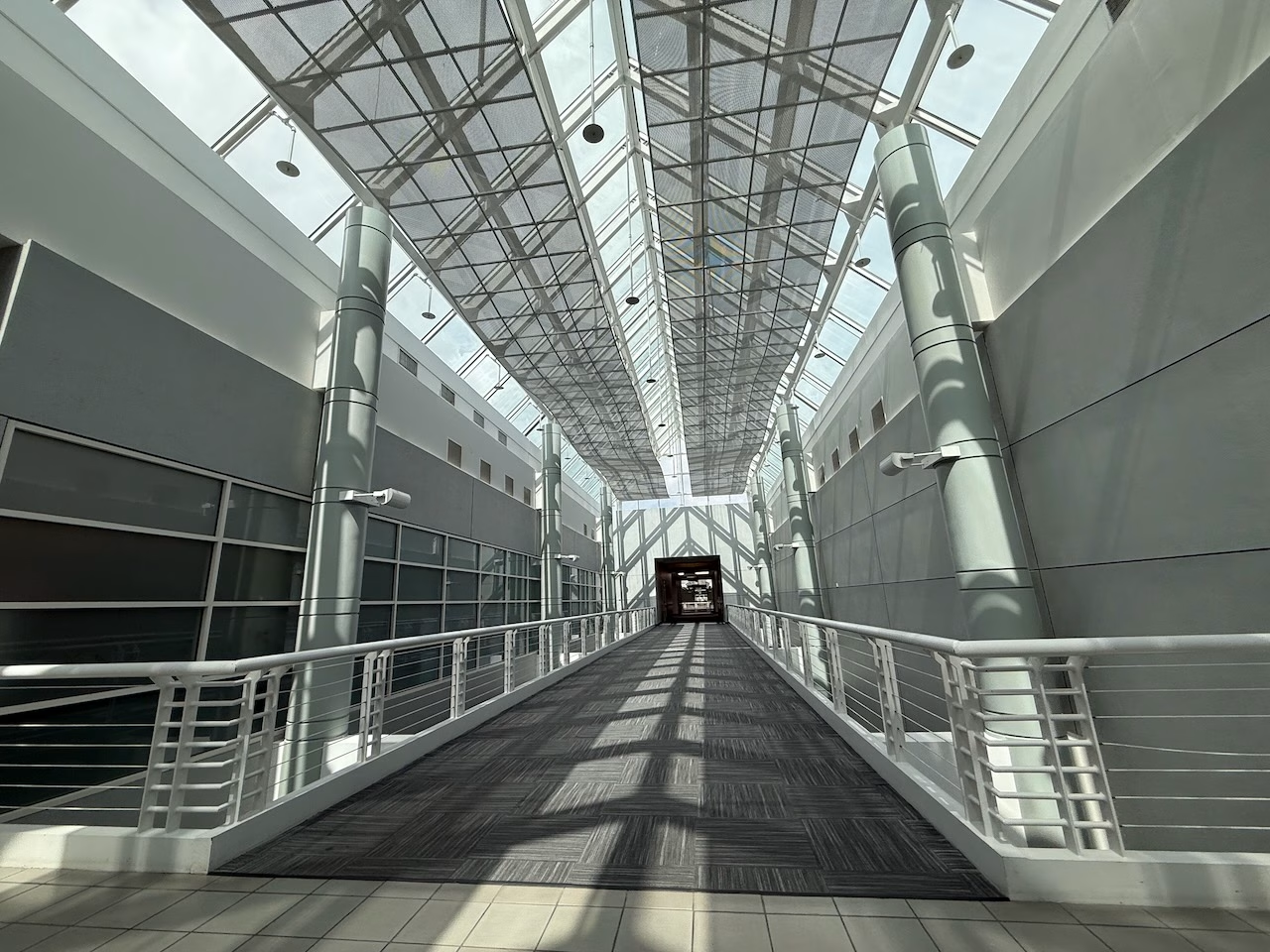
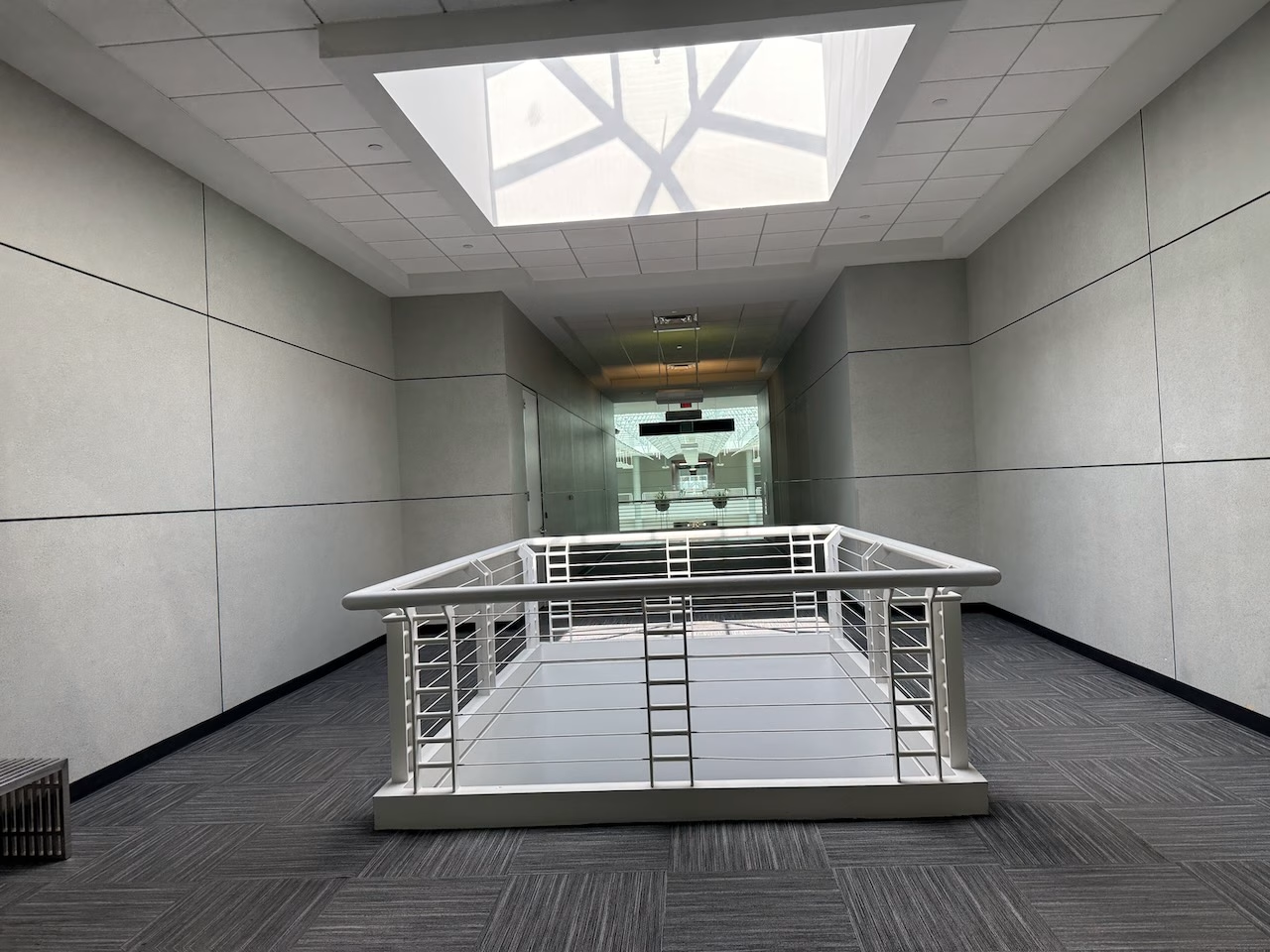
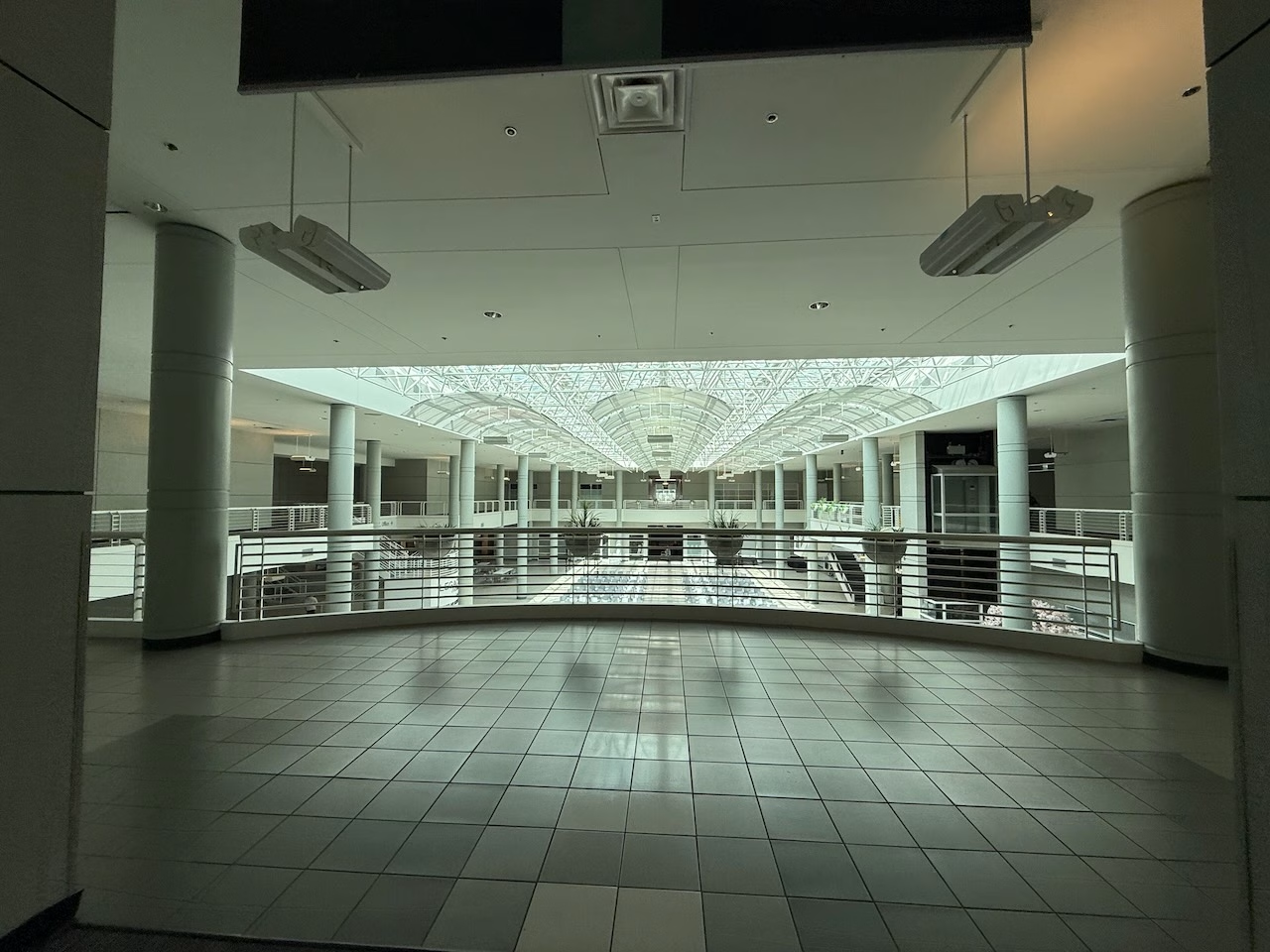
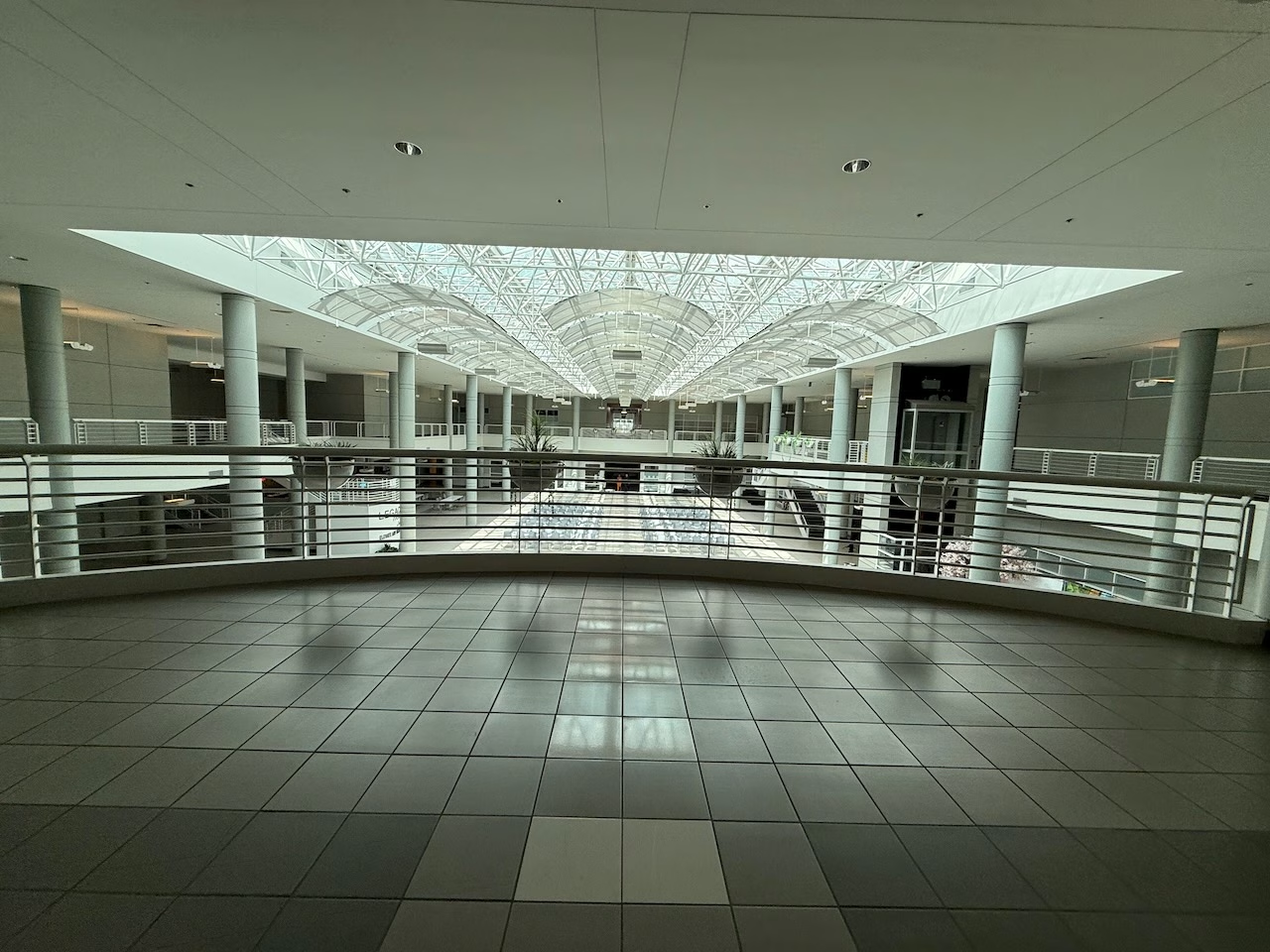
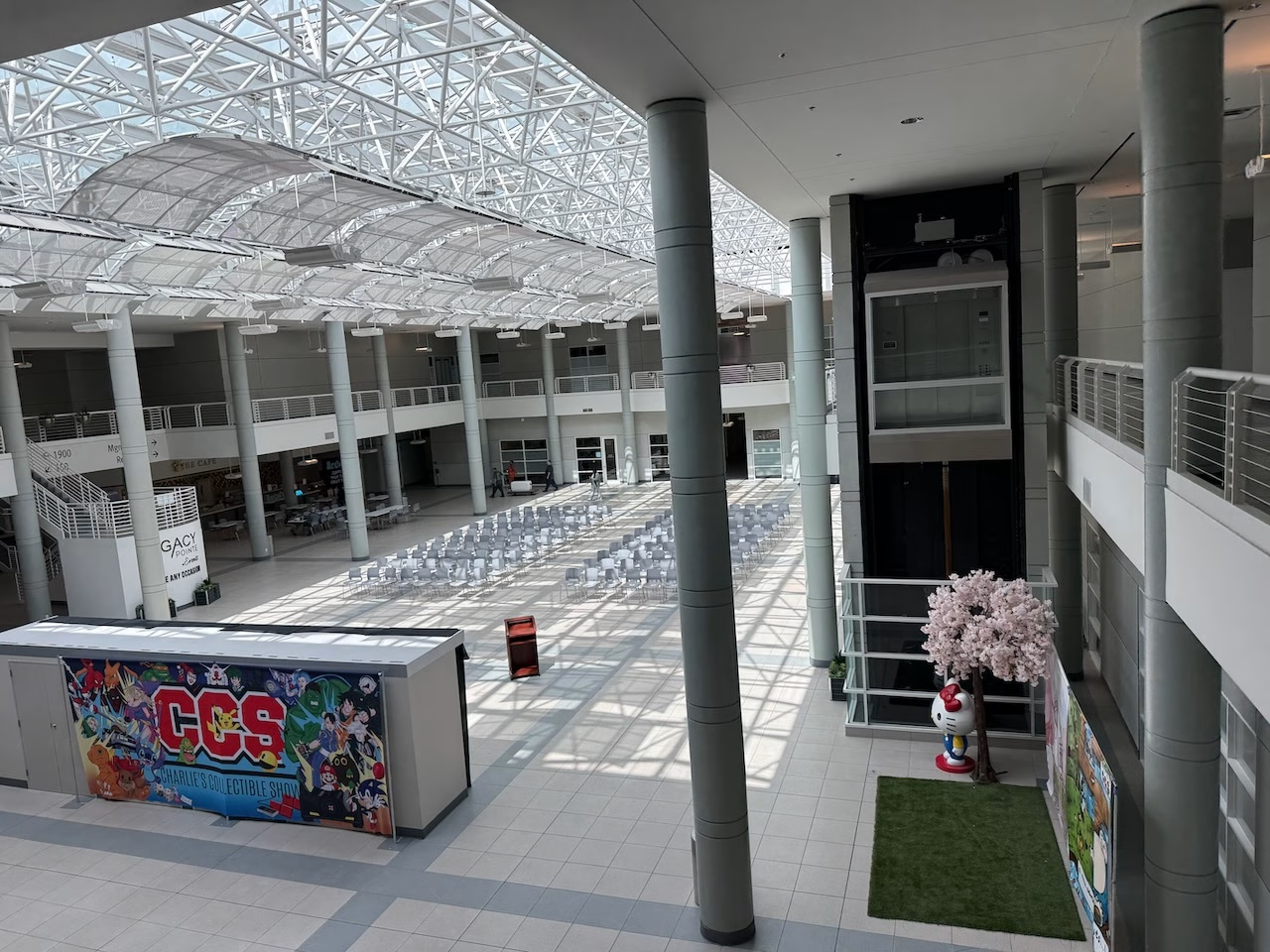
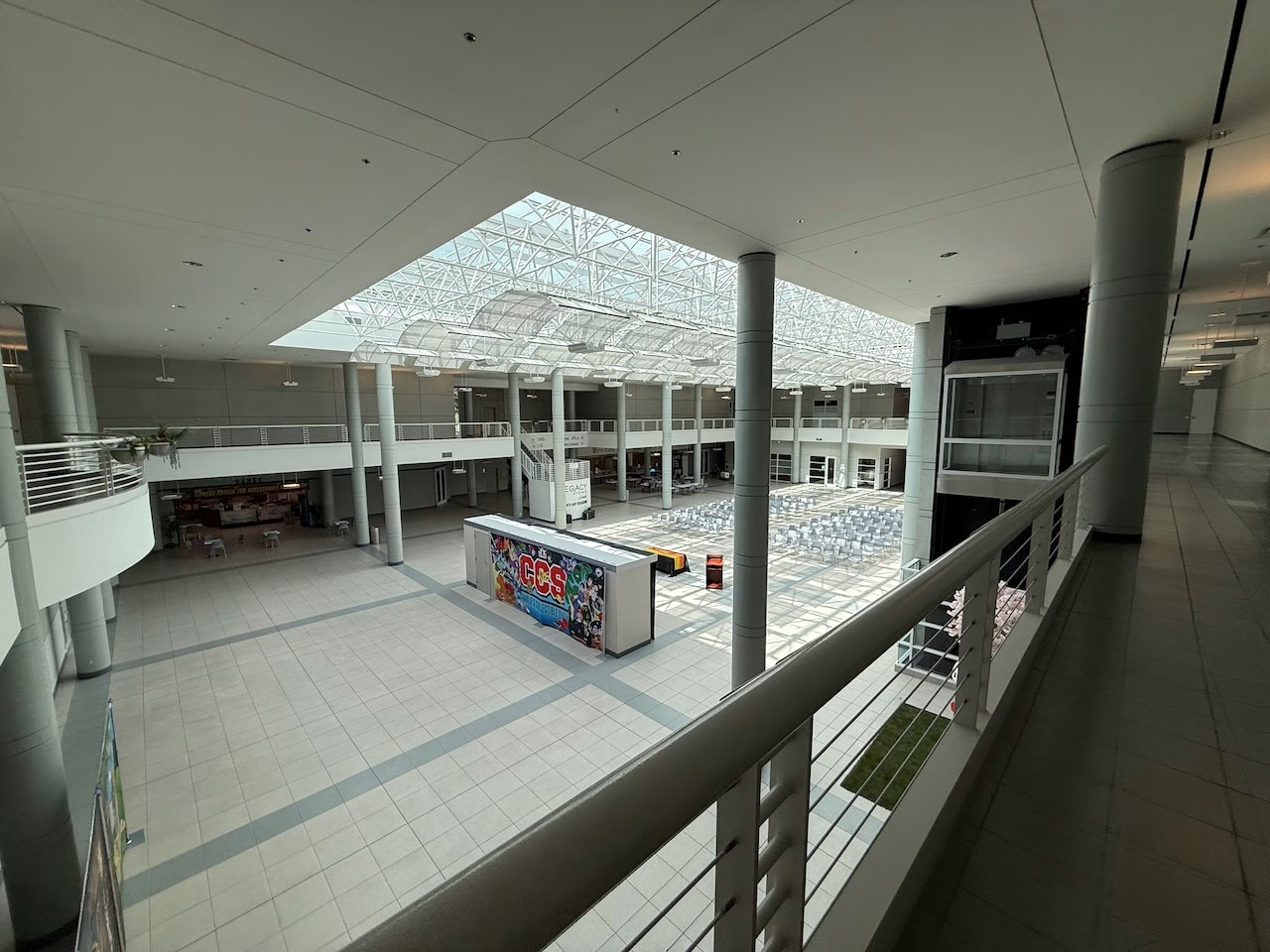
Howdy folks, and welcome back to HHR. Today’s post covers a topic you may have already seen covered by me. If you follow me on Facebook, you likely saw my recent post about returning to Westwood Mall (in fact, those who follow me on Patreon saw it even earlier). Today, we’re going to dive a bit deeper into my return, looking at more photos and expanding on the mall’s development. For anyone confused, I haven’t snuck into a long-dead mall; a limited amount of retail has returned. First, though, let’s get started with the mall’s history. It’s easy to make the argument that Westwood Mall was born out of Sears failure to get into Sharpstown Mall. As the story goes, Sears was approached early on for the mall, and turned Frank Sharp down because they figured the location would cannibalize sales from the store on Main Street. Once the mall became a success and proved it could draw traffic from the ever-expanding suburbs, Sears set its sights on Sharpstown again. They would negotiate with Frank Sharp, but were unable to secure a spot in the mall because competitor Montgomery Ward wouldn’t allow it. Instead, they would be offered a large parcel across Bellaire. While Sears would pass on building a store here, they would buy the land for an Allstate office building, which, depending on your age, you may remember as the home of Burlington Coat Factory before it moved into the mall.
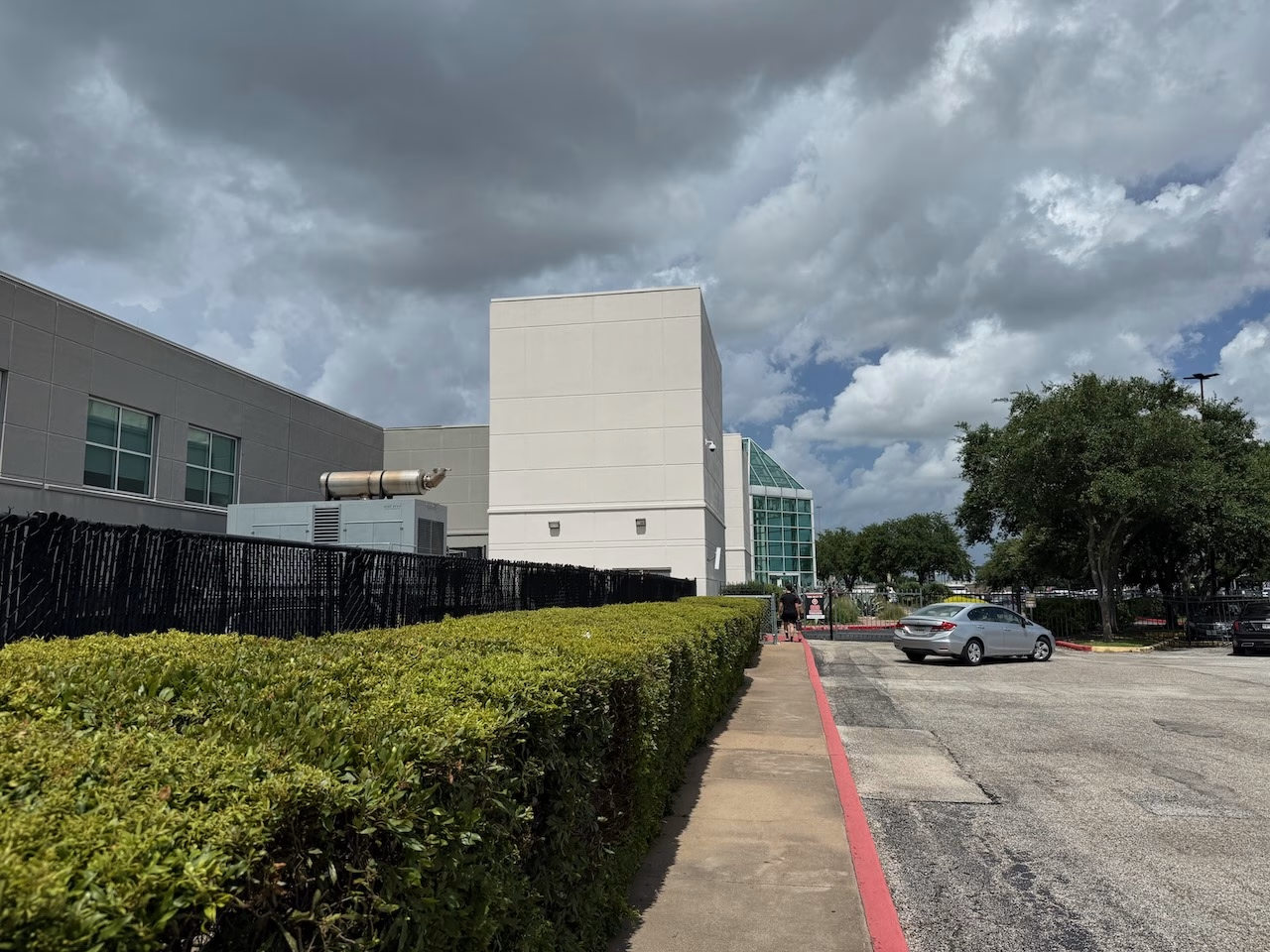
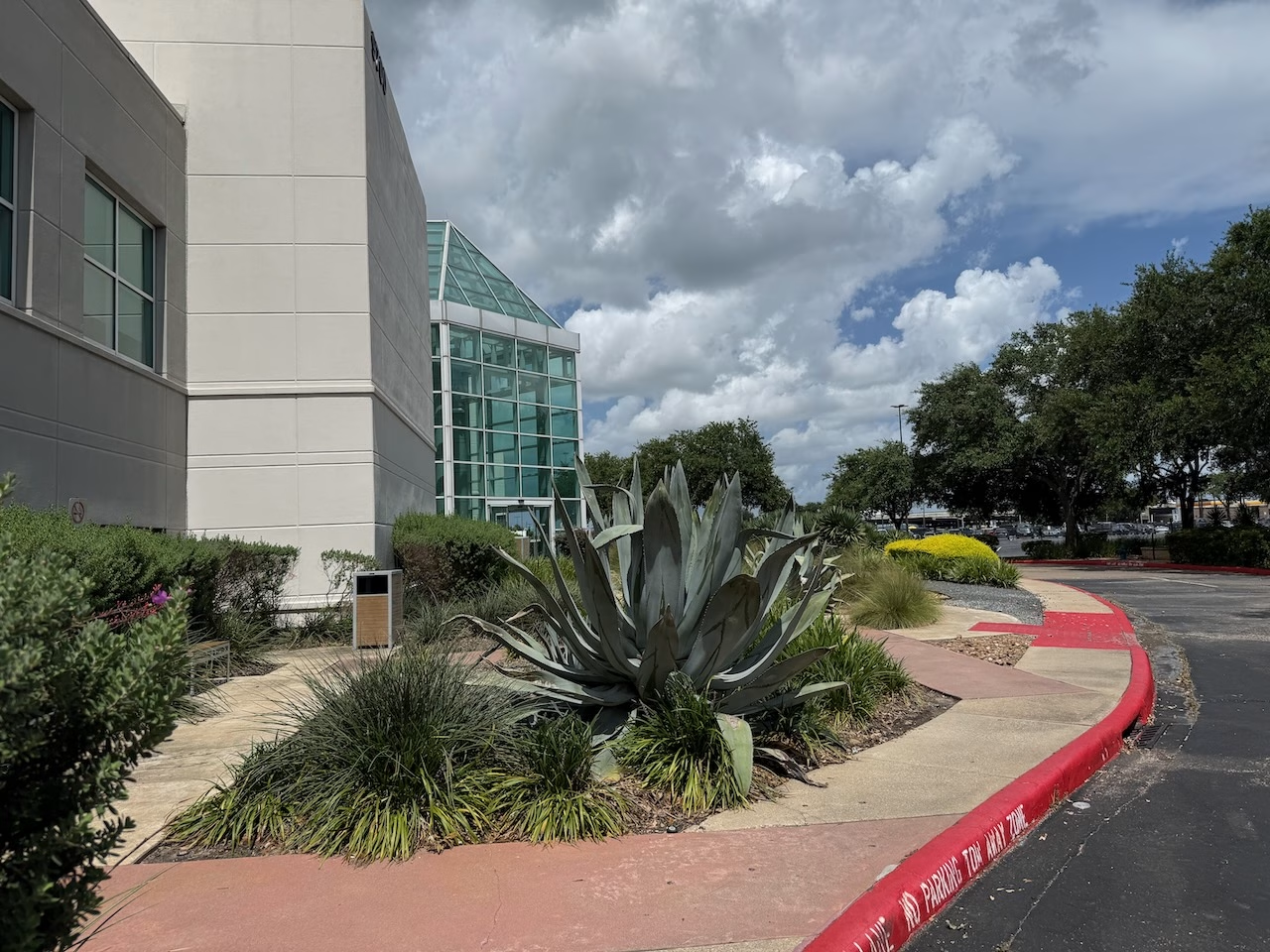
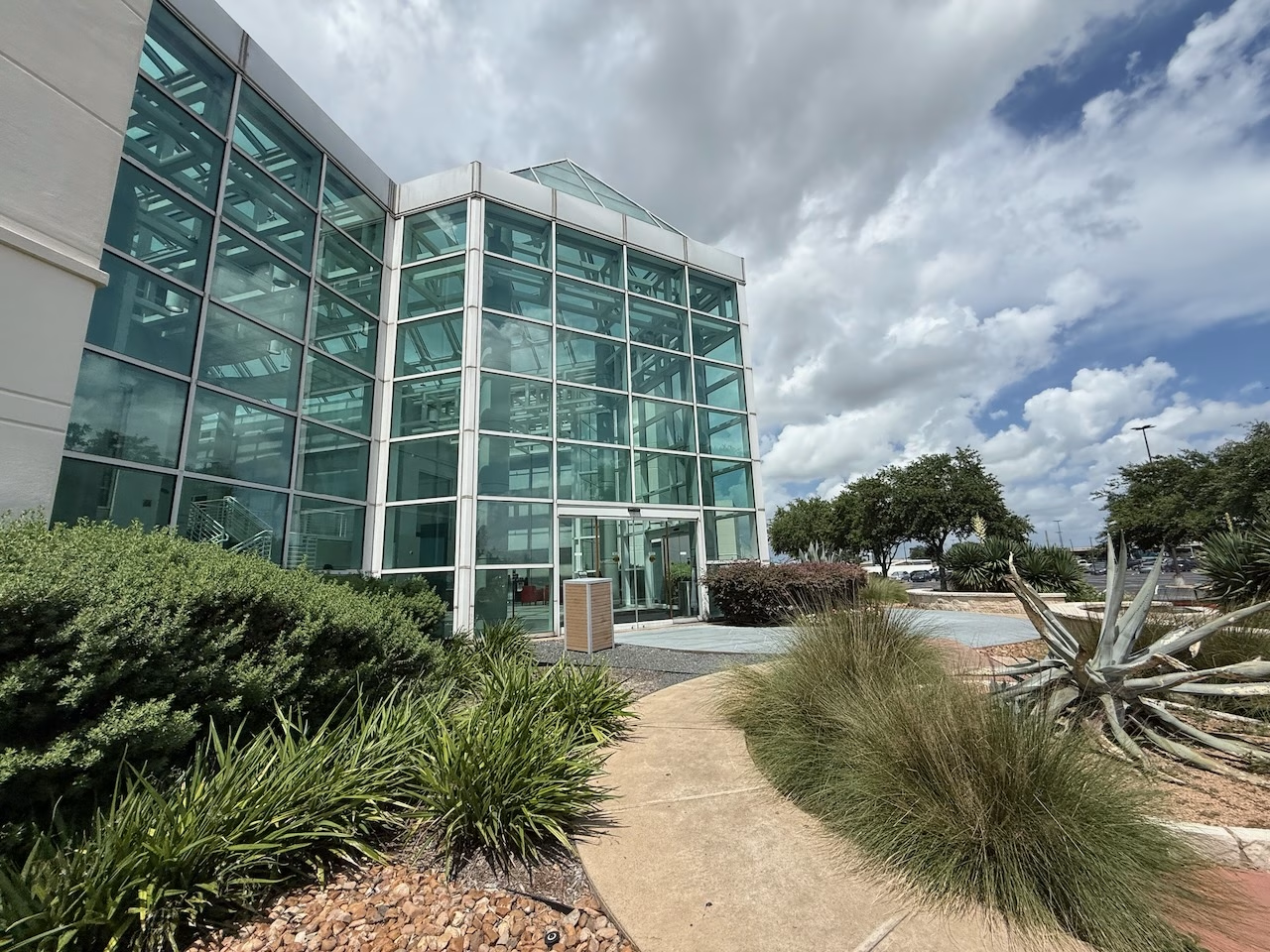
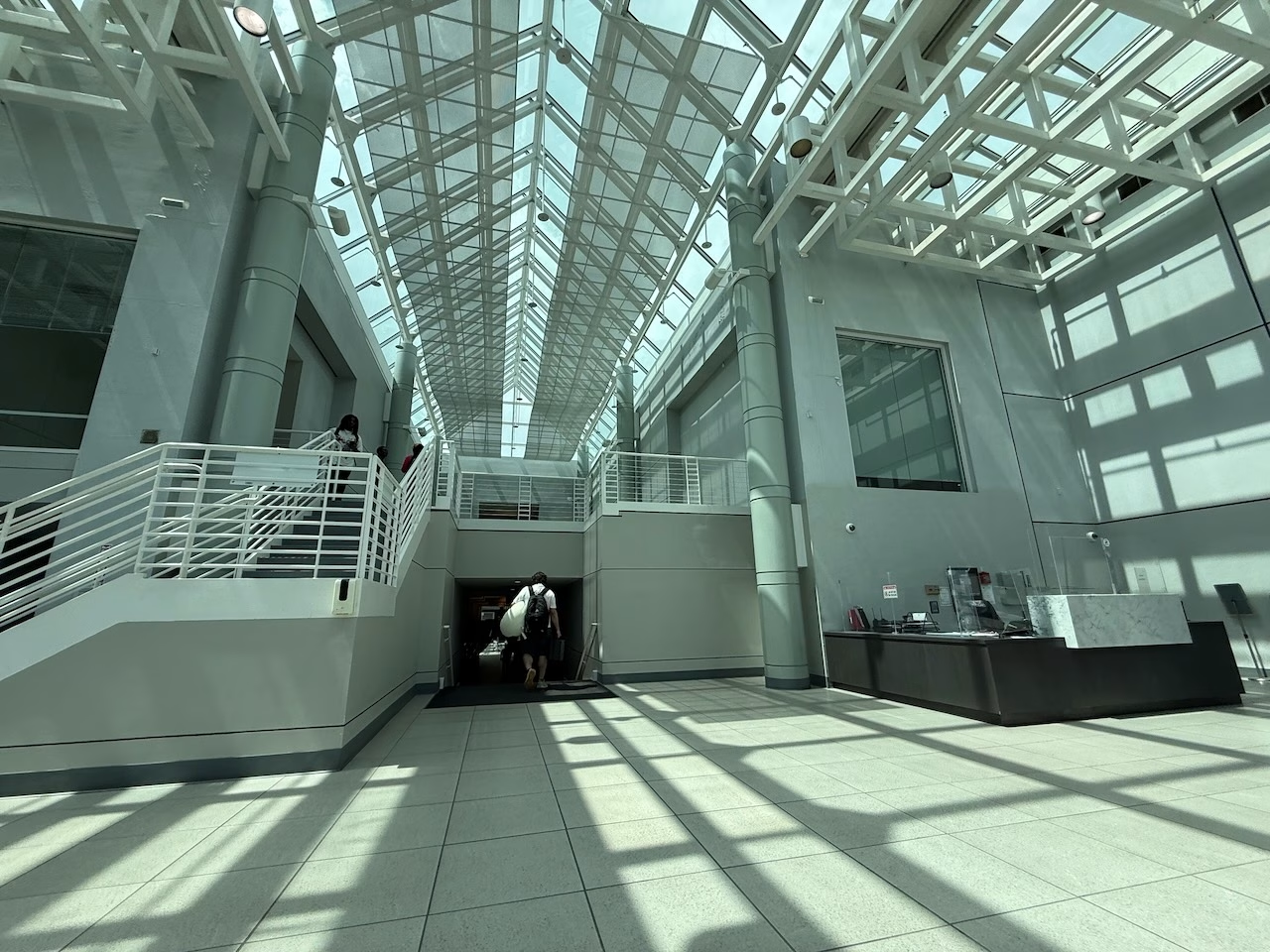
Sears’ problem in Sharpstown was frustrating, but it wasn’t unique. Across the U.S., Sears had to compete for space, but it had been developing a plan, specifically the Homart Property Development Company. Debuting in 1959, this was Sears Mall building arm. The idea wasn’t born out of Sharpstown; many major department store owners were preparing to build malls around this time, but it would provide a solution. Homart’s first two projects were in Texas. Specifically, the Seminary South Shopping Center in Fort Worth and the Hancock Shopping Center in Austin. These two open-air centers resembled many others of the time, looking much like Meyerland Plaza’s first incarnation. It’s not unreasonable to think that a third was planned for somewhere in Southwest Houston, but Sears made no move until 1968, when they bought a 60-plus-acre tract at the corner of Bissonnet and the Southwest Freeway. The plan was to build a new full-sized Sears department store and a shopping center to go along with it. While it seemed at the time that Sears was ready to build its store, it instead paused.
This area was going through a bit of flux at the time. Originally, the area was quite rural farmland, with the only major development being Old Richmond Road (later Bissonnet), the only direct route between Houston and Fort Bend County. Two country clubs would pick acreage along the road as their homes in the early 1900s. As development slowly spread along the Southwest Freeway, a small community known as Riceville was being pushed away. Riceville was founded by the descendants of freed slaves in the late 1800s. The Riceville townsite moved over time, but was originally along the banks of Kegan’s Bayou near where the Riceville Cemetery is today. In the 1950s, the land adjacent to Riceville was developed as an early subdivision. Not long after, the church, now separated from the rest of the community, became a target for vandalism. Attacks included regularly shooting out windows, replacing plastic sheets, destroying a/c units, electrical boxes, and destroying the bible between services on a Sunday. The attacks would culminate in a fire on July 4th, 1968, which would be officially blamed on fireworks. The adjacent neighborhood, Country Club Villas, would fail to develop as a residential area due to the impending Southwest Freeway, and is now mostly industrial and commercial buildings along the old street grid.
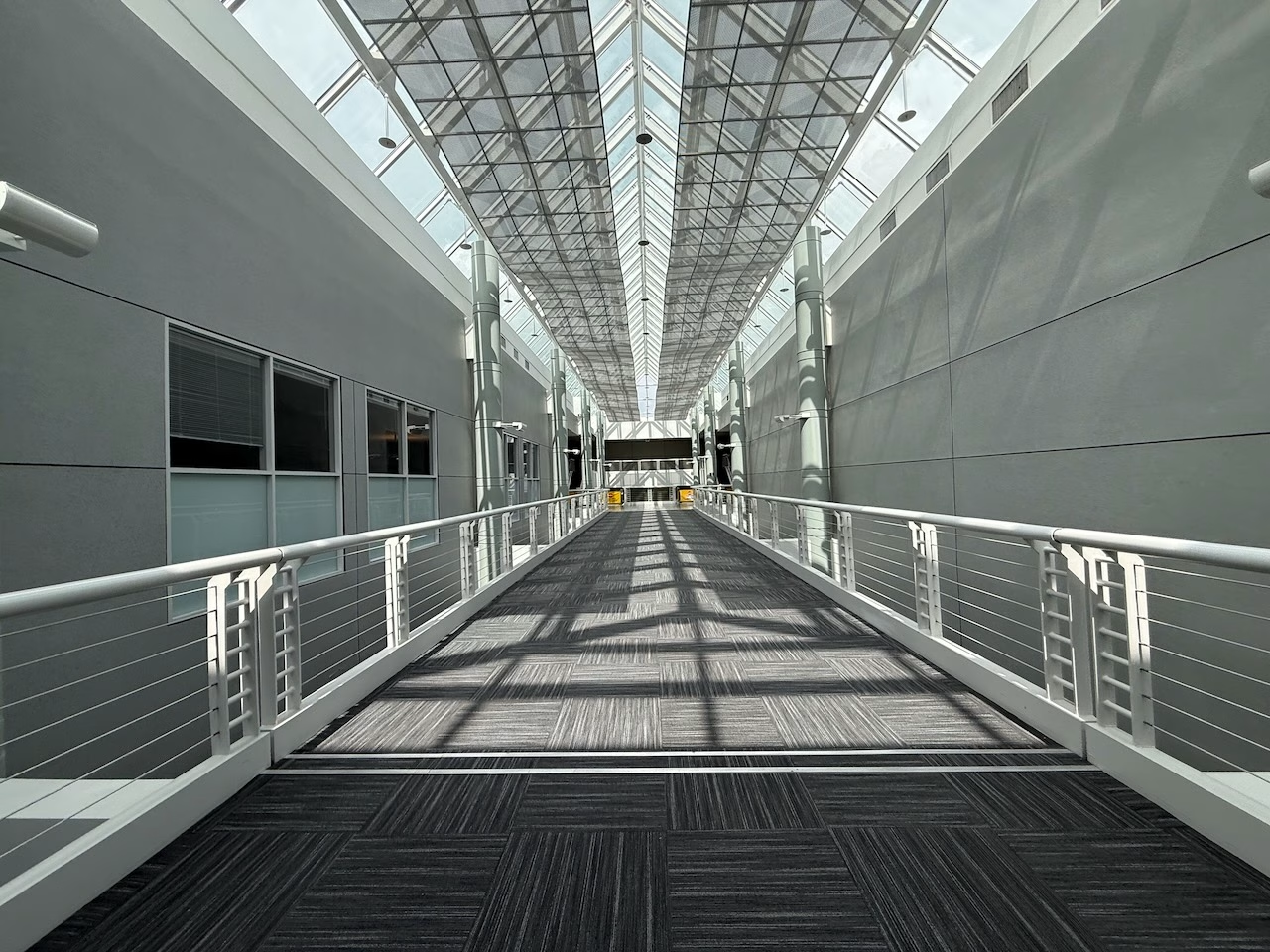
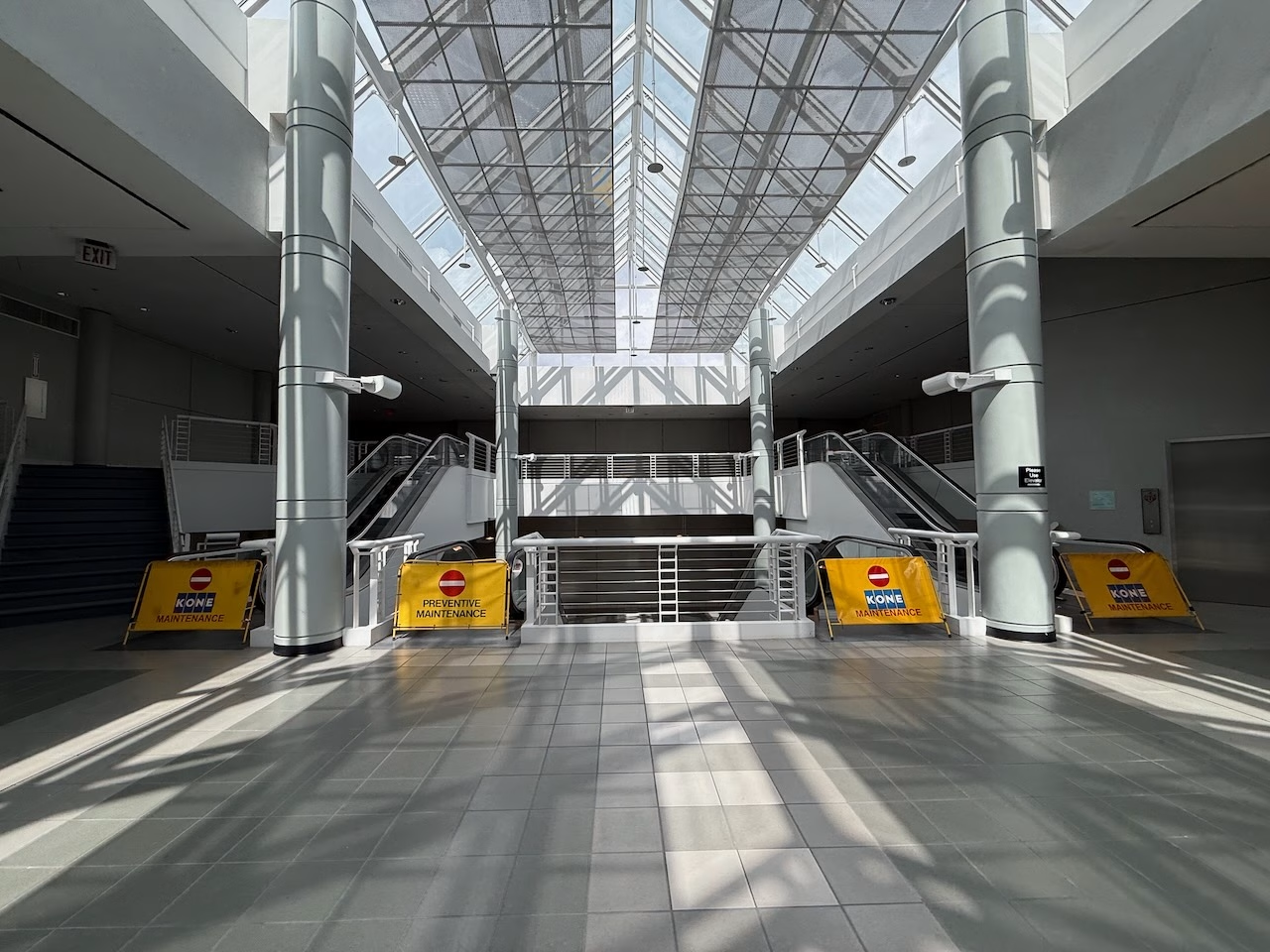
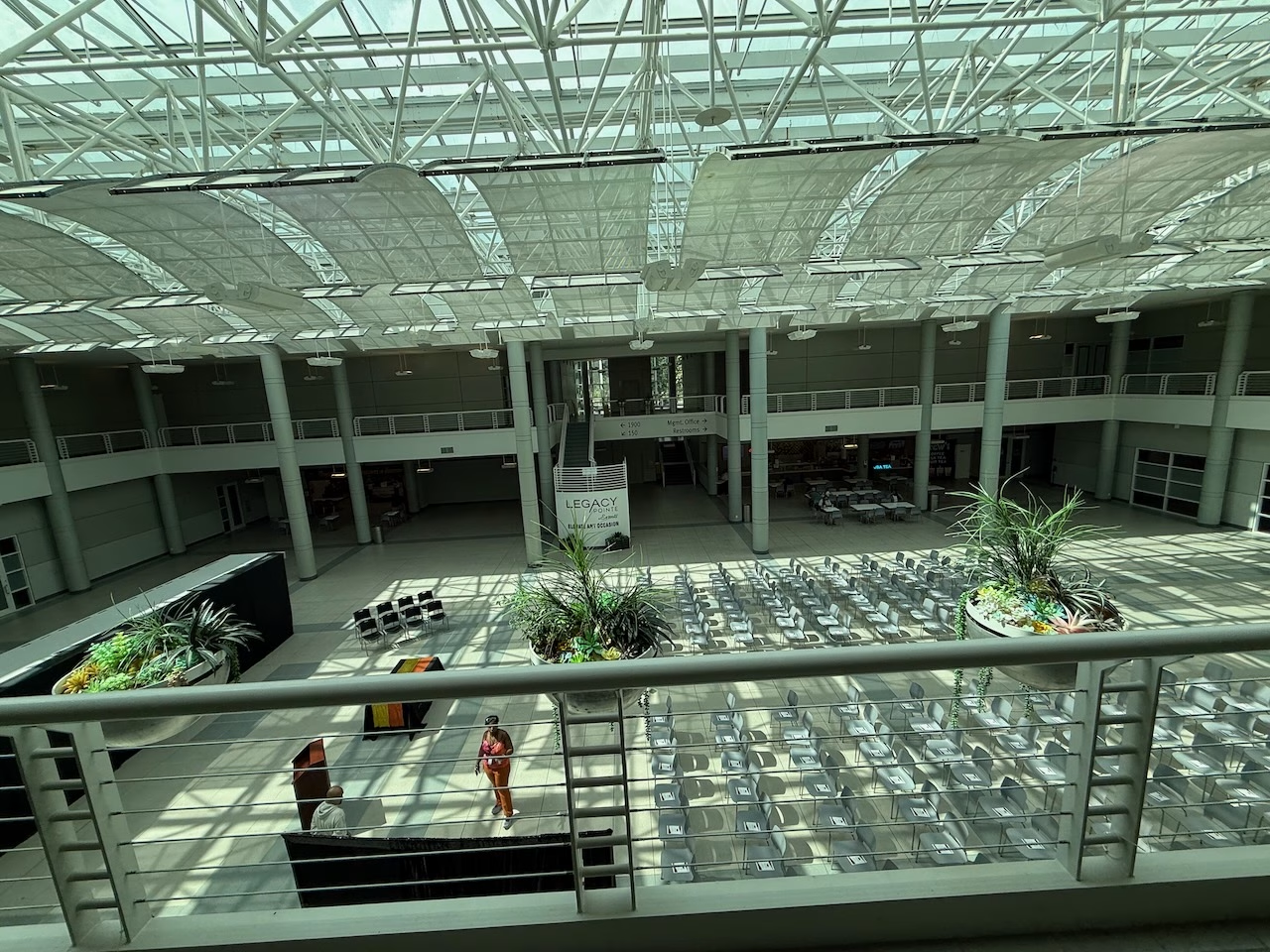
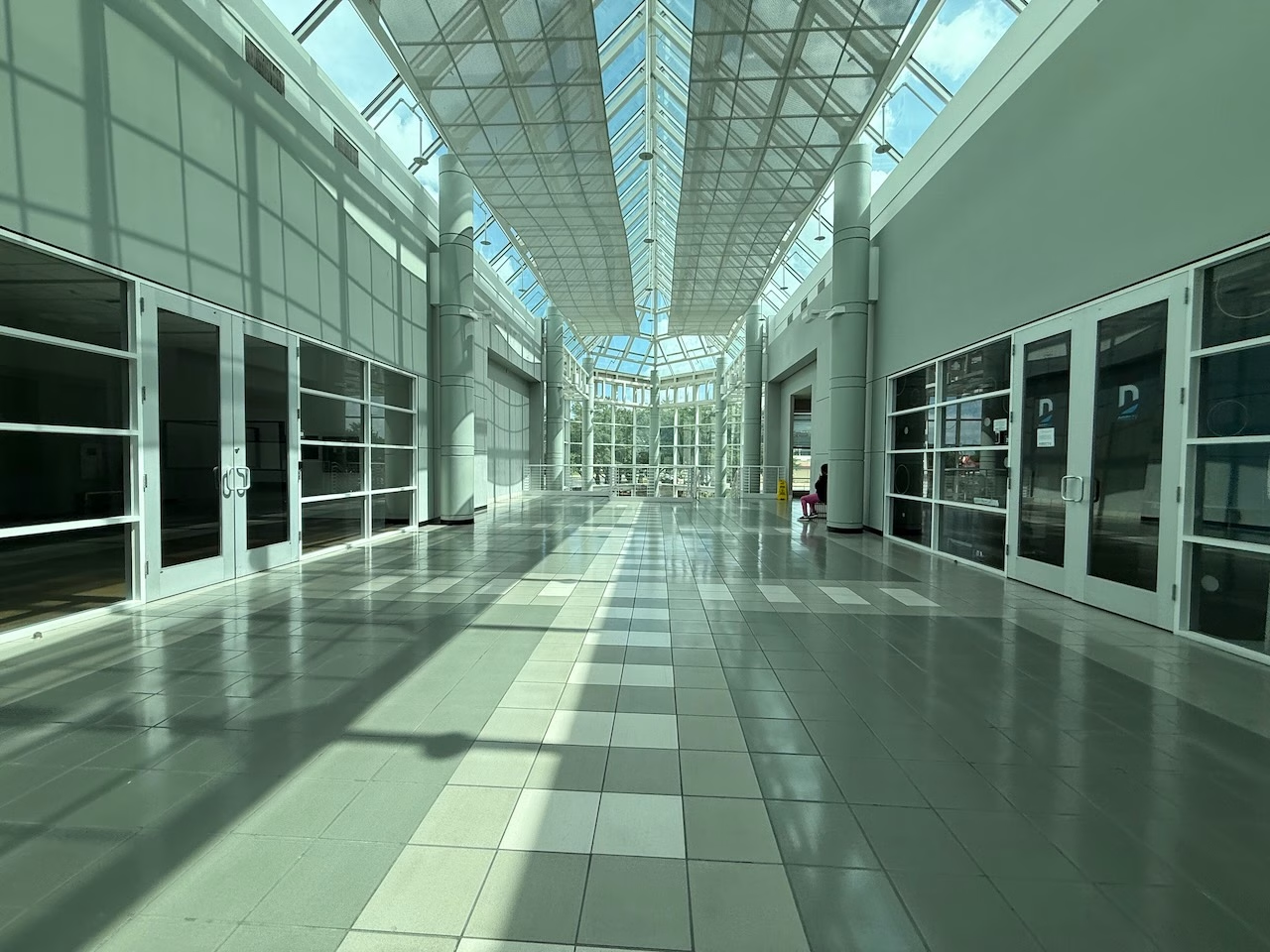
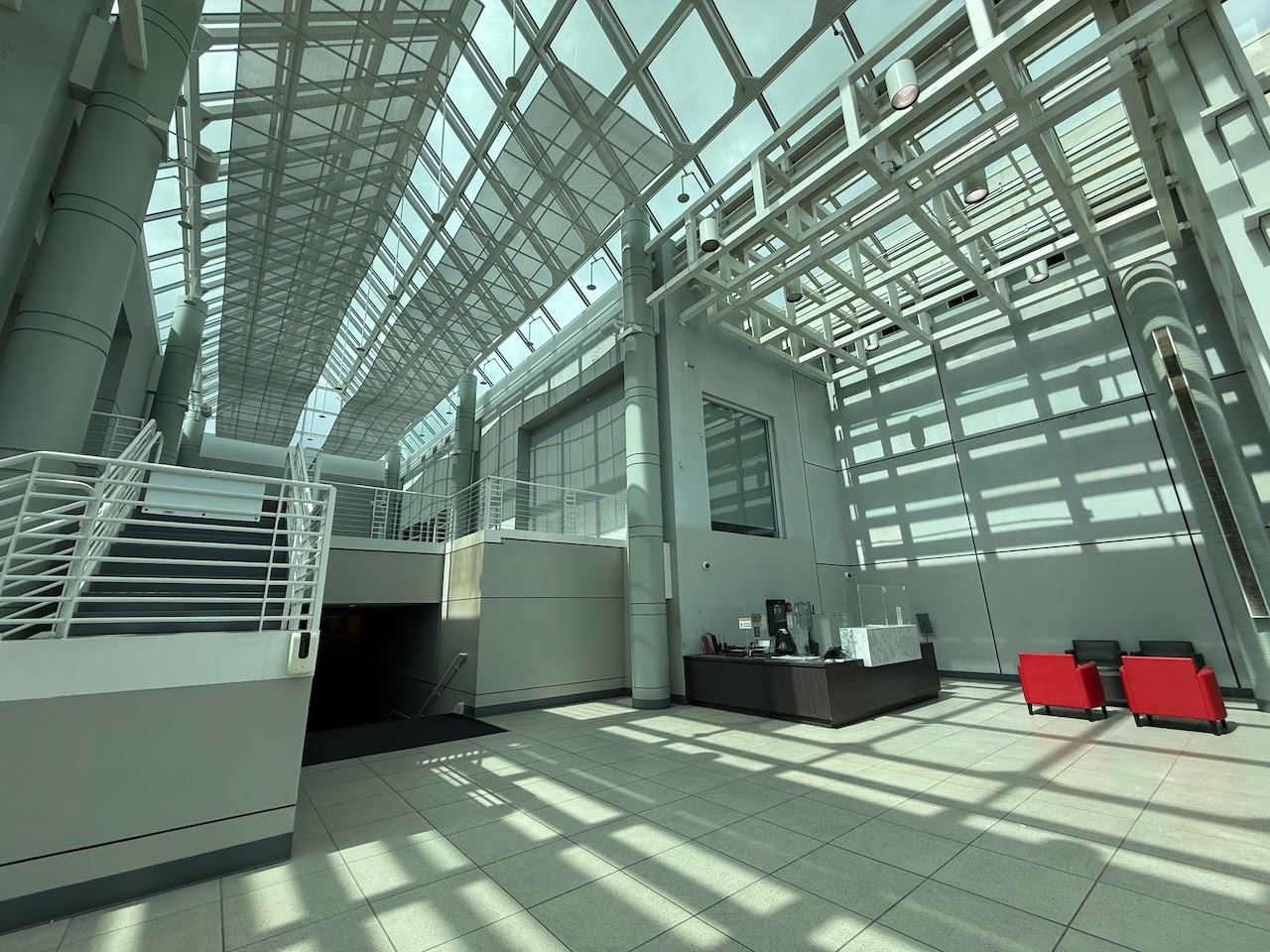
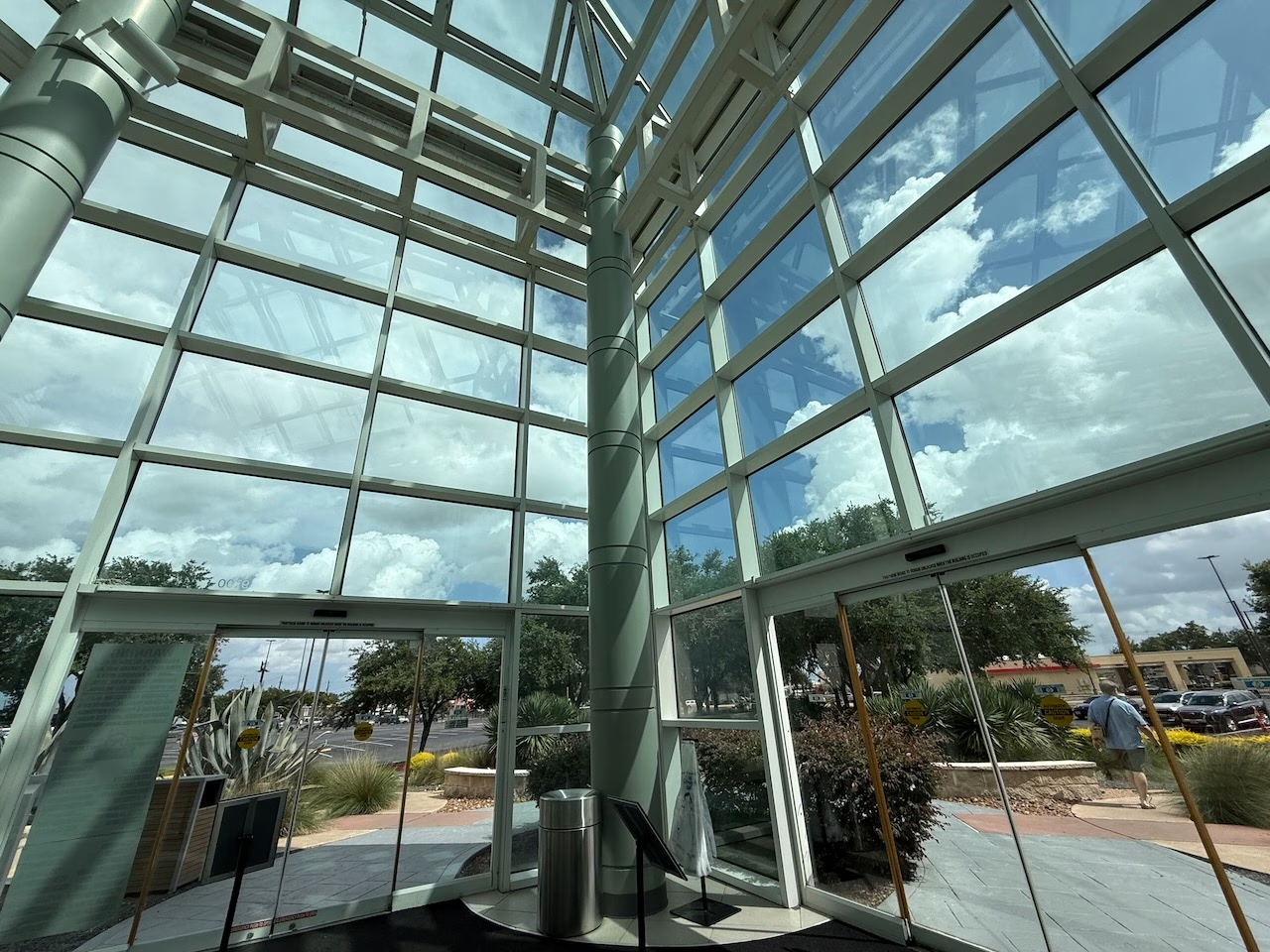
In 1971, Sears would again promote the development of Westwood Mall, and this time, they would even begin work on the Sears. This time, we got a few more details on the mall. It was planned as a relatively tame center, likely indoors, with Sears as the sole anchor. While it would be a mall, Sears likely knew that Westwood Mall would not have long-term prospects. The mall was too close to Sharpstown to make much of a splash, and too far from Fort Bend County to anticipate future development. While the center may have worked as an outdoor mall like Seminary South, demand for two indoor malls in that area didn’t exist as it does today. Sears would again pause development of the mall, with the project finally being picked up by Monumental Properties Inc in 1973, a story which we’ll save for another post. It’s interesting to consider what could have been if Sears had built an open-air center here in the early 60s, or even ended up across from Sharpstown. Would it have been a long-term fix for the area? Likely not, but it would have likely changed some development in the area.